Best Homemade Meals For Recovering Dogs
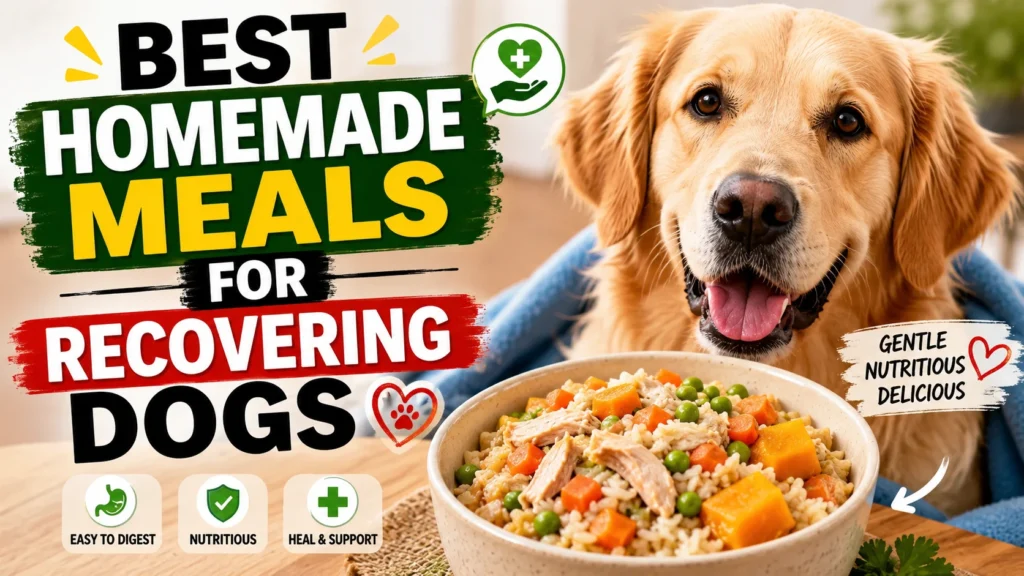
Best Homemade Meals for Recovering Dogs. Among all of the natural and powerfully beneficial aids in helping your dearest doggy get better, food plays a key role in recovery. Whether it’s a sickness, a surgery, or the unfortunate result of some “stomach troubles,” food will be an important factor in your pet’s road back to good health, and a well made diet at home could be precisely what he needs to help him on the path to health.
Best Homemade Meals for Recovering Dogs
The Science Behind Homemade Recovery Diets
Veterinary nutrition has made enormous strides, and recently published clinical research shows truly dramatic benefits in individualizing the diet for dogs who are ill. In a study of 167 dogs with chronic enteropathy, for instance, owners reported a decrease in clinical signs in 95% of them after putting them on homemade diets specifically designed for them, while dogs with skin disease showed improvement in 83% of cases . Those amazing results are the direct result of quality-controlled ingredients, and the capacity to customize diets for the unique demands of each dog, but are entirely dependent upon accurate nutritional balance that can only be achieved through veterinary intervention.
When to Consider Homemade Meals for Your Recovering Dog
When Homemade Meals Excel These homemade meals can be an option for your dog, especially when recovery time is short, such as when your dog: …has acute digestive upset; is recovering from a surgical procedure; has food allergies and you have no safe commercial alternative; is being transitioned off of a veterinary-approved bland diet; and is convalescing and has a poor appetite. IMPORTANT! The homemade diets below should be used for only days or weeks and should NOT be fed on a long-term basis without the guidance of a veterinary nutritionist as your dog may become malnourished.
The Foundation: Essential Components of a Recovery Meal
Lean Protein Sources
Protein is your pet’s structural materials – the house of cards for your immune system and for repairing broken tissue. Here are some foods to choose as your dog makes their recovery. When they need very easy to digest food:
Chicken (skinless, boneless breast): Dogs love the flavor of chicken, and it’s incredibly easy for most dogs to digest and use.
Lean and versatile, use chicken breast and consider swapping with turkey for variation. White fish (cod, haddock, pollock, whiting) White fish like these are also very easy to digest, but contain lower fat than oilier fish varieties.
Digestible Carbohydrates
Carbohydrates that are soothing to your stomach: The go to carb is white rice if your stomach needs healing White rice is much lower in fiber than brown rice so is much easier to tolerate than an active stomach with problems . Boiled potato (with skin removed) or sweet potato are other good alternatives especially for dogs that don’t tolerate rice very well . Pumpkin is also worth noting as it contains soluble fiber which helps regulate digestion (helpful whether your dog has constipation or diarrhea )
Essential Fats and Supplements
The healing diet should also have a low-fat content, for the sake of pancreas and digestive tract, although some fats (healthy ones) promote healing. Salmon oil (omega 3s), helps with inflammation. A calcium supplement that the vet suggests is required since most homemade diets lack a good calcium to phosphorus balance required for a strong skeleton.
Also Check: Can Guinea Pigs Eat Organic Celery Leaves Safely Every Day?
Four Vet-Approved Recovery Recipes
Recipe 1: Classic Chicken and Rice (For Digestive Upset)
This boring diet forms the basis of the recovery diet for your dog.
- Add chicken to pot, add water to cover, and boil until cooked all the way through (this could take anywhere from 10 minutes to 30 minutes depending on the size of the chicken).
- Take the chicken out, allow to cool and dice into small bite-size pieces.
- Skim the fat from the cooking liquid in the pot (very important if you are dealing with a stomach upset.)
- Using the broth, cook rice according to package directions
- Mix cooked rice and chicken in a 2:1 ratio by volume
Note: This recipe is nutritionally incomplete and suitable only for 2-5 days maximum.
Recipe 2: White Fish and Potato (For Sensitive Digestive Systems)
- What you will need to cook this dish? 1 cup of boneless, skinless chicken breast 2 cups of white rice (short-grain or long-grain) Water
- 395g cooked white fish (steamed or baked) 158g boiled potato (mashed) You may also like: mashed banana, 1 dessert spoon live yogurt
Instructions:
Steam or bake fish till it can flake when a fork is stuck into it and it is done to completion Boil the potato till it is cooked through Mash the potato with a small amount of fish liquid that it cooked in Mix all ingredients together Divide this into 3-4 small meals for your 15kg dog (184g a meal). The meal has about 686 calories for a 15kg dog and it’s ideal for after they’ve had diarrhoea.
Recipe 3: Gentle Turkey and Sweet Potato (For Protein Sensitivity)
Ingredients:
- 90%+ lean ground turkey
- Low sodium chicken or turkey broth
Instructions:
- Brown the ground turkey, then drain off excess grease. Either sweet potato (baked or boiled until soft then mashed) or 1 part broth. Ratio of meat and sweet potato 1:1 by weight. (You may add broth for consistency, you’re welcome to).
- Recipe 4 – Egg and Rice Custard
Recipe 4: Egg and Rice Custard (For Anorexic Dogs)
Ingredients:
• 2 eggs • cup white rice • cup water or homemade broth
Instructions:
- Cook rice until tender. Lightly beat eggs into hot rice. Cook over low heat, stirring constantly until the eggs are set. Cool thoroughly.
- If your dog has a poor appetite this meal rich in protein and easily digestible will be perfect for him.
Feeding Guidelines for Optimal Recovery
Portion Control
Most diets on a 2:1 rice to chicken mixture. Portion size can be modified for the weight and condition of the individual animal. As a guide around 30 kcal/lb bodyweight/day for an adult animal on a maintenance diet however the requirement can vary significantly in recovery cases.
The Transition Protocol
Introduce new food gradually: 75% old, 25% new and gradually shift to the reverse over 9-10 days: Day 1-3: 75% old, 25% new Day 4-6: 50% old, 50% new Day 7-9: 25% old, 75% new Day 10: 100% new Keep an eye on your cat for any changes in poop quality, appetite, or behavior throughout this phase.
Signs to Monitor
Good Signs:
- Increased appetite Solid, formed stools Happy, vibrant disposition Sleek, shiny coat (long-term)
Red Flags:
Vomiting and/or diarrhea that won’t stop Bloody stool Weak and/or listless Inappetence Weight loss. The diet must be discontinued, and you should see your veterinarian if any of the above symptoms appear.
Safety First: Critical Do’s and Don’ts
Do:
Any quality human food, from a regular grocery store, should do. Heat your cooked meats until they reach the recommended temperature (poultry to 165F/74C). Be sure to remove all bones before serving (a cooked bone can kill your dog or cat. Store chilled leftovers in the refrigerator for up to 3 days or store in the freezer for a longer period of time.
- Water should always be available (don’t limit fluid intake).
- Talk to your vet before beginning any homemade recovery diet.
Don’t:
NEVER add onions, garlic, grapes, raisins, chocolate or xylitol to your dogs food-these are all toxic. Use broth purchased at the grocery store (likely still contains onion/garlic powder)Add salt, herbs or spices Feed raw meat (bacterial contamination risks)Feed as a long term solution without consult Eat it all the time! Brown rice for dogs with active gastrointestinal disease (more fiber is not good in these cases)
The Commercial Alternative
While homemade diets are viable options, veterinary diets provide unique benefits. Commercial recovery diets (Hill’s a/d, Royal Can in Recovery, for example) are typically: nutritionally complete and balanced calorie dense (more calories in less volume) readily digestible safe to feed long-term
Conclusion
Chicken & Rice: The Classic A go-to for most dog owners with dogs experiencing a mild stomach upset, chicken and rice can be a great option to rest your dog’s digestive tract, although: This food is typically not a permanent diet It should be used under the supervision of your veterinarian Proper nutritional balance is very important Watch your dog closely for improvement (or worsening) It’s never a bad idea to ask your veterinarian about a prescription for special diet food to aid your dog in recovering. It might be the right answer and could save a lot of worry.
Frequently Asked Questions (FAQs)
How long can I feed my dog homemade chicken and rice?
It should only be given to a dog recovering from an upset for a max of 2-5 days. Since homemade chicken and rice isn’t balanced, it won’t provide your dog with everything he or she will need in the long run and could also cause nutrient deficiencies if not supplemented with your vet’s recommendation .
Can I feed my recovering dog brown rice instead of white?
When your dog has a digestive disorder, it’s better to stick with white rice, which is easily digestible and is lower in fiber, unlike brown rice which can have a detrimental effect on dogs with an upset stomach.
What kind of protein is best for a dog recovering from diarrhea?
Chicken breast with no skin or a lean, low-fat white fish such as haddock, cod, or pollack is a good protein to incorporate into your recovering dog’s diet. These proteins are very easy on a dog’s stomach and also readily digestible .
Can I add veggies to my dog’s recovery food?
Yes but go for easily digestible options such as plain cooked pumpkin or steamed carrot. High fiber or raw veggies should be avoided during acute recovery. A little bit of plain mashed banana also works well for the fiber!
How do I know if my dog is ready to transition back to regular food?
Your dog is ready when they have: Normal stool consistency for 2-3 days.
Good appetite Normal energy levels No vomiting or digestive upset. Transition gradually over 7-10 days
Why is chicken boiled, not fried when making recovery food for my dog?
Boiled chicken saves the nutrients and adds no fat, oil, or seasonings that can give your dog a tummy ache. It also results in a nutritious broth ( skim fat off after boiling ) you can cook your rice in.
What do i do if my dog is refusing to eat his recovery food?
Try hand feeding your dog and slowly coax them into eatting his recovery food, add warmed to the room or warm it up just a bit. Another great alternative is to add a bit of very low sodium chicken broth to the recovery food to entice your dog. If your dog has refused to eat for more than 24 hrs please see your veterinarian.
Is a commercial recovery diet better than homemade food?
While commercial recovery diets are considered a complete and nutritionally balanced food, for short-term, milder illness such as mild stomach upset you can safely feed a homemade recovery food diet. If the illness or condition is serious or long-term you may want to consider a commercially available recovery food.
Can I add supplements to my dog’s recovery food?
Only if approved by your veterinarian! Most homemade diets will be deficient in calcium, among many other minerals. So unless recommended by your veterinarian you may want to consider a balanced multivitamin supplement and a calcium supplement.