
Signs of Wet Tail Disease in Hamsters and How to Cure It
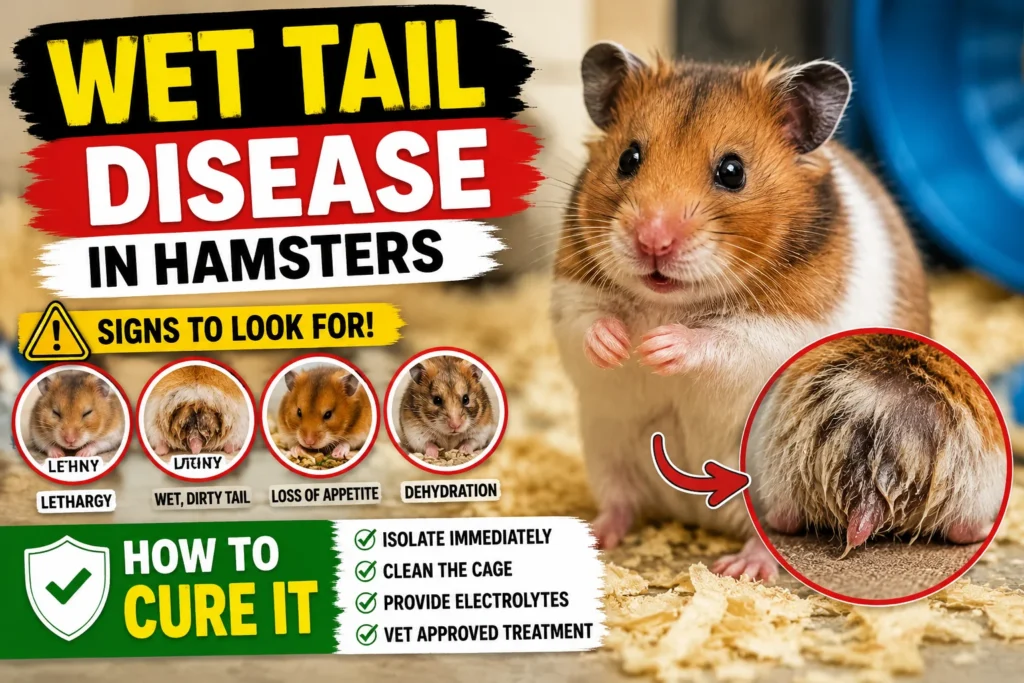
Signs of Wet Tail Disease in Hamsters and How to Cure It. One of the most fatal diseases in pet hamsters, wet tail, advances rapidly and can become fatal in a short period of time, 24-48 hours if not treated with vet care immediately. Some new hamster parents consider it the simple cause for an illness that requires veterinarian services immediately and call it hamster diarrhea but in actuality is far more deadly. In this pet guide you’ll find out the signs, causes, treatment, and precautions to take if you encounter wet tail in your hamster.
What Is Wet Tail Disease?
The Wet Tail It is an intestinal disease produced by a very severe bacteria, Lawsonia intracellularis, that affects the intestines causing inflammation, dehydration, very strong diarrhea, dehydration, weakening and death at a rapid rate.
The disease most commonly affects:
- Young hamsters between 3 and 8 weeks old
- Recently weaned hamsters
- Syrian hamsters
- Hamsters experiencing stress
Although older hamsters can develop diarrhea from other illnesses, true wet tail is most commonly seen in young Syrian hamsters.
Why Is It Called “Wet Tail”?
Watery diarrhea will adhere to the hamster’s fur around the base of the tail and rump area, giving the appearance that they are permanently soiled. This is typically the first indicator a pet owner will spot, however, by the time this develops, the illness could be fairly serious.
Signs of Wet Tail Disease in Hamsters and How to Cure It
Recognizing symptoms early can save your hamster’s life.
1. Wet Fur Around the Tail
The classic symptom is damp, dirty, or matted fur surrounding the tail.
The moisture comes from continuous diarrhea rather than urine.
2. Severe Diarrhea
The stool becomes:
- Watery
- Loose
- Foul smelling
- Yellowish or brown
Normal hamster droppings are firm and dry, so diarrhea is always abnormal.
3. Loss of Appetite
Hamsters with wet tail usually stop eating.
This quickly leads to weakness and weight loss.
4. Lethargy
Your hamster may:
- Sleep much more
- Refuse to play
- Stay hidden
- Show little interest in surroundings
5. Hunched Posture
5. Round Back / Hunched Back Inflammation in the intestines will often cause your hamster to have a rounded or hunched back when they are sitting.
6. Dehydration
Hamsters develop dehydration very quickly due to continuous diarrhea.
Signs include:
- Sunken eyes
- Dry mouth
- Skin losing elasticity
- Weakness
7. Weight Loss
Affected hamsters lose weight rapidly within a day or two.
Their ribs and spine may become easier to feel.
8. Rough or Unkempt Coat
Healthy hamsters groom themselves regularly.
Sick hamsters often have:
- Greasy fur
- Puffy coat
- Matted hair
9. Cold Body Temperature
Very ill hamsters may feel unusually cool when gently handled.
This indicates poor circulation and requires emergency treatment.
10. Difficulty Moving
As dehydration worsens, your hamster may:
- Walk slowly
- Stagger
- Collapse
- Become unable to stand
Also Check:
Causes of Wet Tail Disease
Several factors increase the risk.
Stress
Stress is the biggest trigger.
Examples include:
- Moving to a new home
- New cage
- Loud noises
- Rough handling
- Overcrowding
- Frequent travel
Young Age
Young hamsters have less developed immune systems and are therefore more at risk.
Poor Hygiene
Bacteria proliferate in soiled cages. Wet bedding can make the situation worse.
Sudden Diet Changes
Sudden dietary changes can cause digestive issues and lead to sickness. Your hamster can easily fall sick, increasing the risk of them catching the wet tail.
Weak Immune System
Hamsters that already have other sickness can contract wet tail easily.
Is Wet Tail Contagious?
Wet tail is not highly contagious as in viral diseases; however the bacteria can spread through:
- Contaminated bedding
- Shared food bowls
- Dirty water bottles
- Contact with infected feces
If you own multiple hamsters, isolate the sick one immediately.
How Veterinarians Diagnose Wet Tail
Diagnosis typically involves:
- A physical exam
- Your medical history
- Assessment of diarrhea
- An examination for signs of dehydration
- A look for evidence of parasites
- Sometimes stool tests
It’s important that diagnosis is quick, as early treatment leads to better results.
How to Cure Wet Tail Disease in Hamsters
There is no reliable home cure for true wet tail. Veterinary treatment is essential.
1. Antibiotics
Your veterinarian might prescribe an antibiotic for you to give your pet in order to stop any bacterial infections. DO NOT give a human antibiotic to your pet without specific directions from a vet.
2. Fluid Therapy
Dehydration is often the biggest danger.
Your veterinarian may provide:
- Oral fluids
- Subcutaneous fluids
- Electrolyte replacement
3. Nutritional Support
If the hamster will not eat, you may need to supplement their feeding with force feeding. Serve soft food only if your veterinarian instructs you to do so.
4. Warm Environment
Warm Environment House the hamster in a room that is warm, but not too hot.
This means roughly
68–75°F (20–24°C)
5. Clean Housing
Replace all bedding.
Disinfect the enclosure thoroughly using pet-safe disinfectants.
6. Reduce Stress
Provide:
- Quiet surroundings
- Dim lighting
- Minimal handling
- Comfortable nesting material
Stress reduction helps recovery.
Can Wet Tail Be Treated at Home?
Home care alone is usually not enough.
Supportive care may include:
- Keeping the hamster warm
- Ensuring fresh water is available
- Cleaning the rear gently with warm water if soiled
- Keeping the cage dry and clean
- Monitoring food intake
However, delaying veterinary care greatly reduces survival chances.
Also Check: How to Clean a Dog’s Teeth at Home If They Hate Brushing?
Foods to Offer During Recovery
Only feed foods recommended by your veterinarian.
Soft, easily digestible options may include:
- Recovery diets prescribed by a veterinarian
- Small amounts of soaked hamster pellets
- Fresh water at all times
Avoid:
- Sugary treats
- Fruits
- Vegetables
- Dairy products
- Human snacks
How Long Does Recovery Take?
If treatment begins early:
- Improvement may appear within 2–4 days.
- Full recovery often takes 1–2 weeks.
Severe cases may require longer recovery.
Unfortunately, untreated wet tail often becomes fatal within 24–48 hours.
How to Prevent Wet Tail
Prevention is much easier than treatment.
Maintain Excellent Cage Hygiene
Clean:
- Food bowls daily
- Water bottle regularly
- Bedding weekly
- Spot-clean soiled areas every day
Reduce Stress
Avoid:
- Frequent cage moves
- Loud environments
- Excessive handling
- Overcrowding
Feed a Balanced Diet
Provide:
- High-quality hamster pellets
- Limited treats
- Fresh water daily
Introduce new foods gradually.
Buy Hamsters From Reputable Sources
Healthy hamsters from responsible breeders generally have lower disease risk.
Quarantine New Hamsters
Introduce new hamsters a few weeks after you acquire them, not to another pet, in close proximity of another pet.
When Should You See a Veterinarian?
You should always seek vet attention if your hamster experiences the following symptoms:
- Wet tail Diarrhea more than a few hours No appetite
- Very lethargic Weight loss very rapidly
- Dehydration Blood in feces Inability to stand
- The sooner you get your hamster treatment, the better your chances are that it will recover.
Common Mistakes Owners Make
Avoid these common errors:
- Assuming it’s only mild diarrhea
- Waiting several days before seeking treatment
- Giving human medications
- Feeding sugary treats during illness
- Ignoring dehydration
- Keeping dirty bedding
- Handling the hamster excessively
Prognosis
The outlook depends largely on how quickly treatment begins.
Good prognosis:
- Early diagnosis
- Immediate antibiotics
- Proper hydration
- Low stress
Poor prognosis:
- Delayed treatment
- Severe dehydration
- Advanced weakness
- Young age without supportive care
Frequently Asked Questions (FAQs)
Does wet tail heal on its own?
No. Wet tail is in fact an extremely fatal illness from bacterial infection that usually needs immediate care from a vet or the death may soon follow.
Is wet tail same as diarrhea?
No. It not only has a highly aggressive diarrhea, it inflames the gut and can cause dehydration and eventually death.
Can I catch wet tail from a hamster?
Wet tail can usually not be passed onto humans, but always remember to immediately rinse off your hands if they were placed near a sick animal or any part of a cage with materials.
What causes wet tail in a hamster?
It’s related to an infection caused by bacteria, particularly the bacteria Lawsonia intracellularis. Stress can play a part in bringing it about.
What hamsters most often get wet tail?
The highest rate of wet tail occurs in younger Syrian hamsters from the ages of 3-8 weeks.
Can Dwarf hamsters get wet tail?
In a nutshell: no! While dwarf hamsters certainly can and do experience diarrhea, the severe case we call “wet tail” is primarily a condition of very young Syrian hamsters.
What is a hamster that has wet tail recommended to eat?
Give your hamster fresh water, and also, follow your veterinarian’s advice on diet. Resist the urge to give treats, fruit or sudden changes in the diet until he’s all better.
How quickly does wet tail progress?
Hamsters with wet tail often take only one to two days to degenerate, so a fast trip to the veterinarian is highly suggested.
Is stress the sole cause of wet tail?
While stress is a huge cause, the illness is a disease, linked to bacterial infection.
What are methods to prevent wet tail?
Don’t move animals, Keep a clean cage, provide a proper diet, provide appropriate living spaces for the animal and avoid stress for the animal, consult the Vet with early signs of diarrhea.
Final Thoughts
Wet tail is considered to be one of the gravest of pet hamster medical emergencies. Your hamster’s water-y diarrhea, dirty and/or wet tail, inactivity, lack of appetite and the presence of the symptoms that are related to dehydation should be taken very seriously. This illness generally does not resolve on its own even with supportive home care, due to how quickly symptoms can escalate.
The best course of action, and your hamster’s best hope for a speedy recovery, involves getting them to the vet for a dose of antibiotics and some fluids and supportive measures.