Can You Give a Cat Human Paracetamol for Pain?
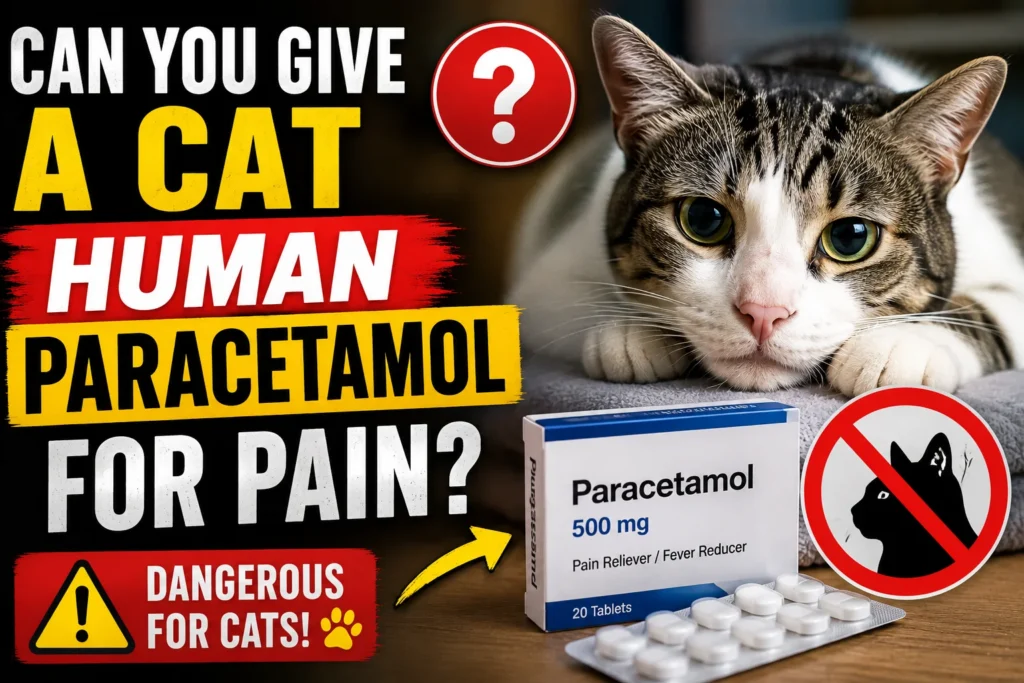
Can You Give a Cat Human Paracetamol for Pain?.Paracetamol Is One of the most toxic medications for a cat, even a small dose can lead to a poisoned animal with liver failure, labored breathing and if not treated promptly the animal may die.
Many pet parents are under the assumption that since it is safe to use on themselves, then paracetamol can be given to their cats to relieve pain.
Sadly this is far from the case, as the bodies of cats cannot metabolise paracetamol efficiently due to the deficiency of the necessary enzymes in the liver. Therefore if your cat shows any signs of pain you must seek immediate veterinary advice rather than raid the household medicine cabinet.
Why Is Paracetamol Dangerous for Cats?
Cats bodies differ from our bodies Paracetamol is metabolically simple and dogs and humans can process it without issue. When a cat eats paracetamol, the toxic compound doesn’t just leave, but circulates around the body where it starts to damage their:
- Red blood cells
- Liver cells
- Oxygen transport system
- Key organs
Life is at risk after even one standard paracetamol tablet from even an average-sized cat.
What Happens If a Cat Eats Paracetamol?
It is a fast-acting condition You will see poisoning of the blood and liver occurring over the space of a few hours. If there is not emergency treatment then you may be in critical condition
Symptoms of Paracetamol Poisoning in Cats
Signs usually appear within 1–12 hours after ingestion.
Watch for:
- Swollen face or paws
- Difficulty breathing
- Rapid breathing
- Weakness
- Extreme tiredness
- Drooling
- Vomiting
- Refusal to eat
- Brown, gray or blue colored gums
- Dark-colored urine
- Collapse
- Coma
Blue or chocolate-colored gums indicate the blood cannot carry oxygen properly, making this a medical emergency.
How Much Paracetamol Is Toxic to Cats?
There is no safe over-the-counter dose of human paracetamol for cats.
Factors affecting toxicity include:
- Cat’s body weight
- Age
- Overall health
- Strength of the tablet
- Amount consumed
Because even small doses may be fatal, every suspected exposure should be treated as an emergency.
What Should You Do If Your Cat Eats Paracetamol?
Save your cat’s life – Act now!
Step 1: Stay Calm
When you panic, you’ll waste precious time.
Step 2: Remove Remaining Tablets
Ensure your cat doesn’t ingest any additional doses of medicine.
Step 3: Contact a Veterinarian Immediately
Animal Hospital Immediately. You do not have to wait until symptoms appear!
Step 4: Bring the Medication Package
This label will identify:
- Drug concentration
- Actual active ingredients
- How many tablets were taken.
Step 5: Never Try Home Remedies
Do not:
- Make your cat vomit unless instructed
- Give milk
- Give charcoal without veterinary advice
- Wait for symptoms
Prompt professional treatment offers the best chance of recovery.
Also Check: Signs of Wet Tail Disease in Hamsters and How to Cure It
How Veterinarians Treat Paracetamol Poisoning
Treatment for the situation will depend on how quickly your cat receives veterinary attention. Veterinary treatment can include:
- Oxygentherapy I.V.
- Fluid therapy
- Activated charcoal
- Bloodwork
- Liverprotectant medications
- Appropriate antidote
- Liver enzyme monitoring
- Hospitalisation
The prognosis for the condition will depend on prompt therapy.
Safe Pain Relief Options for Cats
Never substitute human pain medications for veterinary care.
Safer options may include medications prescribed by your veterinarian, depending on the cause of your cat’s pain.
Examples include:
- Prescription veterinary pain relievers
- Anti-inflammatory medications approved for cats
- Opioid medications when necessary
- Joint supplements
- Laser therapy
- Physical rehabilitation
- Weight management for arthritis
Only a veterinarian can determine which option is appropriate.
Can You Give a Cat Human Paracetamol for Pain?
Besides paracetamol, several other common medications are also dangerous.
These include:
- Ibuprofen
- Naproxen
- Aspirin (unless specifically prescribed)
- Diclofenac
- Codeine combinations
- Combination cold and flu medicines
Many combination products contain multiple toxic ingredients.
Always keep medications out of your cat’s reach.
How to Tell If Your Cat Is in Pain
Cats often hide discomfort.
Possible signs include:
- Hiding
- Limping
- Decreased appetite
- Less grooming
- Aggression when touched
- Sleeping more than usual
- Reluctance to jump
- Crying or unusual vocalization
- Changes in litter box habits
- Restlessness
These signs warrant a veterinary examination.
Preventing Accidental Poisoning
Avert the emergency with these basic precautions. Keep medicines stored in a locked cupboard. Don’t leave medication where it could be stepped on or dropped. Don’t give your pet’s medication made for people without the advice of your vet. Make sure that your family is aware of how deadly human medications are to animals.
Make sure handbags with medicine in them aren’t readily accessible to curious cats.
Drop pills can be a hazard to pets, clear them up as quickly as possible.
Common Myths About Paracetamol and Cats
Myth 1: A Small Piece Is Safe
A tiny bit won’t hurt “The smallest amount of toxic material can be harmful and lead to serious effects.”
Myth 2: If My Dog Can Take It, My Cat Can Too
If I give it to my dog, my cat can have it “Most drugs do not affect animals in the same way they affect people and cats in particular are quite different than dogs and humans.”
Myth 3: Children’s Paracetamol Is Safe
Children’s Paracetamol is safe “Don’t give children’s medications to your pets, no matter what your human family does. Paracetamol is not the equivalent to children’s tylenol. Some of these liquids can be very toxic when given to your pets.”
Myth 4: I’ll Wait Until Symptoms Appear
I will wait until I see my animal suffering “Many substances can damage your pet before they start to show signs of sickness.”
When Should You Visit the Vet?
Call us now if:
- Your cat has ingested any quantity of paracetamol.
- You believe your cat has been exposed but do not know what they have consumed.
- You cat experiences any respiratory distress.
- Your cat’s gums are turning blue or brown.
- Your cat is weak or collapses.
- Your cat starts to vomit or experience swelling of the face after exposure.
- Do not wait.
Frequently Asked Questions (FAQs)
Is it safe to give a cat a single paracetamol tablet?
No, not even a single tablet can lead to serious toxicity and prove fatal.
Will childrens paracetamol be less dangerous?
No, even children’s paracetamol formulations will be equally dangerous and should never be administered except where recommended by a veterinarian.
What should I do if my cat licks some paracetamol?
Contact a veterinarian immediately, even a lick should be investigated.
When does paracetamol poisoning usually start showing in my cat?
Symptoms usually develop between 1 and 12 hours although internal damage will have started before this.
How to treat a poisoned cat?
My cat survived being poisoned with paracetamol
Can my cat survive paracetamol poisoning?
Your cat may live if they get immediate medical treatment for poisoning from paracetamol.
Why Is Paracetamol Safe for humans, but not my cat?
It all relies on an enzyme’s limited quantity for your cat’s liver to break down paracetamol as it is given, resulting in the poisonous byproduct collecting within the blood.
Could it be alright for me to provide my cat with pain relievers made for human usage?
You must never give any human painkiller to your cat, unless it has been explicitly approved and supplied by your vet as it may result in your cat suffering poisoning and be very toxic.
What is the first indication that your cat is suffering from paracetamol poisoning?
Signs of paracetamol poisoning in a cat, Initially signs of paracetamol poisoning in cats will include Lethargy, Vomiting, A swollen face, Excessive drooling, Difficulties in breathing and changes in your cat’s gum color.
Which pain medication can my cat have which a vet may provide?
Your cat should be prescribed appropriate pain killing and anti-inflammatory veterinary medication, as per the needs and particular issues the animal is having.
Final Thoughts
Never administer human paracetamol to a cat. This very commonly kept house-hold medication is life threatening and harmful to cats even at low dose levels. It may cause blood damage and organ failure including liver failure and ultimately death.
In fact you may as well throw it on the ground and dance on it to give them a little chuckle, but otherwise don’t even attempt administering this drug to a cat.
If your cat is in pain then take your cat to your local vet. There is excellent pain medication available for use in cats in modern veterinary medicine.