
Signs of Cognitive Dementia In 8 Year Old Cats
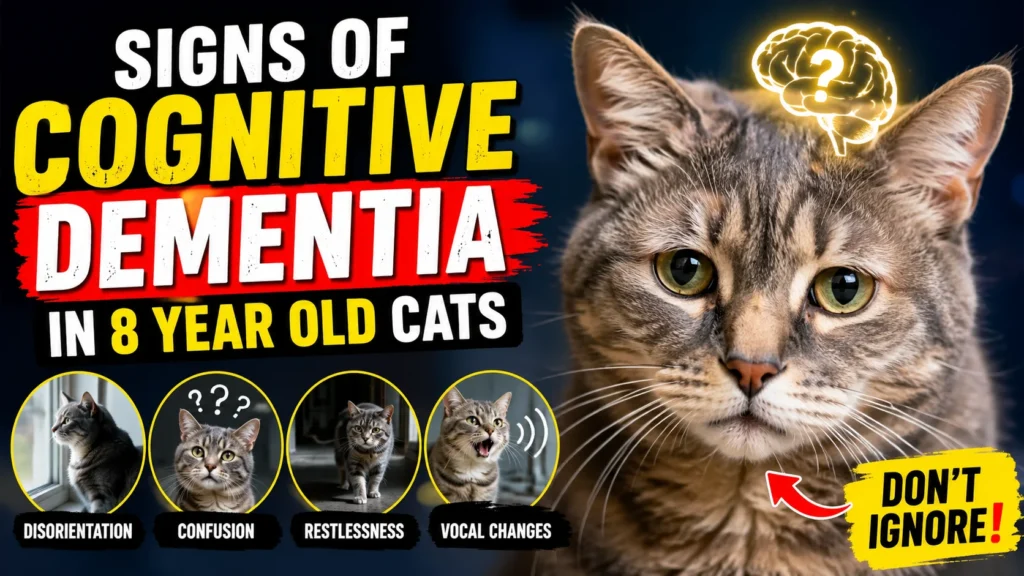
Signs of Cognitive Dementia In 8 Year Old Cats. As cat lovers, we are typically sensitive to when our cats are starting to become a little… sluggish. An 8-year-old cat may naturally sleep and lounge more than an 8-month-old kitten. But, as your feline companion moves through his young-adulthood and enters what is called “mature adulthood” (a senior in cat terms begins around the age of 11 or 12, according to some veterinary standards, with geriatric being the early teens, so an 8-year-old is in the sweet spot in terms of health), early changes to his cognition may be subtle enough to overlook-and it’s during these years that cat cognitive dysfunction (a form of “kitty dementia”) may begin its stealthy invasion.
“She’s just getting old and grumpy” – if you’ve had this conversation, you aren’t alone. Many cat guardians write off some of the more radical behavioral changes in their feline as a natural part of their aging process. It is, however, incredibly important to be able to differentiate between the normal aging process and signs of your cat suffering from cognitive decline early on.
Signs of Cognitive Dementia In 8 Year Old Cats
What is Feline Cognitive Dysfunction?
What is Cognitive Dysfunction in Cats? Cats suffering from Cognitive Dysfunction or CD can experience similar effects to humans with Alzheimer’s disease. It’s a progressive, neurodegenerative disease related to physical changes to the brain, such as build up of protein and the death of brain cells, which affect learning, memory, perception, and awareness.
What the research indicates is that whereas there is a heightened threat of dementia with our cats after age fifteen, this neurodegenerative process in fact begins years before, even as early as the ages of 8, when it often presents very gently, which you might dismiss it as part of aging. By detecting and addressing the signs, you can offer support for the progression to occur slower.
Key Signs of Cognitive Decline in 8-Year-Old Cats
Don’t look at the cat physically look for signs in her behavior, if you’re looking to detect an early sign of dementia. Let this acronym remember you common symptoms but remember how it looks in a Mature Adult:
- Disorientation & Confusion: Your cat may look lost in familiar rooms, blank stare at a wall or get themselves stuck in a corner. They may fail to recognize family members or even other pets. An 8-year old cat getting lost inside the home where they’ve lived for a number of years is of great concern.
- Changes in Socialization: See if your cat shows a decrease in play activity or the opposite of clingy. An independent cat may become obsessive following you from room to room, or an amiable one may suddenly seem very unfriendly and avoid touch.
- Alterations to Sleep-Wake Cycle: Most senior cats sleep less than they once did and are more vocal during the night. However, dementia patients are more extreme with their night time disruptions. Your cat might become insomnia, become very loud, “night yowling” or paced in 3 am, sleeping profoundly.
- House Soiling: This is often the saddest sign for owners. If your 8-year-old kitty starts defecating outside of their litter box, then after being medically ruled for UTI and Kidney disease, this may well be due to cognitive decline. They may even have trouble finding the litter box or why they walked into that room.
- Changed Activity Patterns: You might see less exploration, more pacing back and forth or a particular set of behaviors repeating themselves such as excessively licking.
- Anxiety & Irritability: Dementia in a senior cat usually makes the cat feel very anxious as they no longer understand their environment. This can lead to anger when picked up, or frightfulness in places or things they used to enjoy.
Also Check: Why Is My Pet Snake Not Shedding Its Skin Completely?
Ruling Out Medical Causes
Definitely get your 8-year-old cat to the vet before diagnosing dementia. Lots of medical illnesses have signs and symptoms like cognitive impairment.
Since your cat can have trouble jumping in and out of the litter box with stiffness of arthritis it can become more difficult and painful to be able to get in the litter box so some may start having accidents out of the box instead. What are a few things that you can be watching for that indicate your cat has a trip to see their favorite local veterinarian about how much their pain is affecting their lives and those things are the following.
Increased vocalization: If you notice that your cat is making more noise than normal for them this can mean a variety of things for many of these cats.
If your cat is having accidents out of the box then it can be a concern because your local veterinarian can help you figure out the issue of whether they are having difficultyurinating,straining to urinate,and also rule out any type of blockage or infection.
High blood pressure: This disease can create higher pressure in the blood which can bring about more debilitating conditions, such as blindness and mental deficits, also referred to as a loss of cognitive function.
Chronic renal disease (also kidney disease): This leads to greater thirst and also a greater volume of urine, in return losing bowel control which then causes them to urinate outside of their box as well as soil in your house.
Comprehensive check by the vet (blood tests, blood pressure measurements and a physical examination) is essential. If you’ve got all of that covered, you can go down the route of supporting the mind.
How to Support Your 8-Year-Old Cat?
While there is no cure for dementia, there are powerful ways to slow its progression and make your cat comfortable.
Brain Boosting Diet: Try changing to a senior diet formulated for brain support. Increased antioxidant content (Vitamins E and C and beta-carotene) and increased Omega-3 fatty acids (DHA and EPA) can reduce oxidative damage to the brain.
Supplements: Talk to your vet about starting a supplement such as S-Adeno sylmethionine (SAMe), medium-chain triglycerides (MCTs), or Senilife, which have been shown to improve brain health in cats.
Enrichment: Your cat is not too old to learn! Use puzzle feeders to get their minds working. If your cat moves slower, get a small wand toy out and engage in short play periods to keep those brain pathways firing!
Keep Everything Routine: Change is confusing for any cat, especially a cat suffering from canine cognitive dysfunction. Keep the schedule consistent for mealtime, playtime, and litter box duties. Do not move anything, furniture, cat carriers or the litter box!
Night lights: If your cat seems to get confused when it is dark, and you find him or her yowling all night long, try a night light to help them make it through the night.
When to Seek Help?
If you observe these, make sure that you set an appointment with your cat’s vet immediately. The more that you discover about this condition early, the easier that it will be to help. There are no miracle cures for aging, but you can prolong the enjoyable life of an older cat with these signs. Writing a behavior journal about these changes in your cat for a week before going to the vet can really help the veterinarian make an assessment.
Frequently Asked Questions (FAQs)
Do you think an 8 year old cat is old?
8 year old cats are “mature adults” not geriatric, but may be on the border of developing earliest signs of age-related changes, cognitive and otherwise.
What specific breed of cat is most susceptible to cognitive decline early on?
There are no specific breeds of cat proven to get dementia at a younger age. Genetics are involved in long and as it’s possible that mixes may inherit fewer specific inherited health issues which might mask signs of cognitive decline.
How can I differentiate between normal aging in cats versus signs of dementia?
Normal aging might be perceived as becoming more lethargic or stiff, and in contrast, with cognitive dysfunction cats are usually confused, disorientation is evident, and there can be house soiling incidents, and staring blankly into walls, without appearing to know why. When a cat seems “lost,” or is becoming increasingly forgetful of existing habits or cues, it’s often a sign of something beyond just age.
Should I house-train my cat?
If the house soiling is a sign of cognitive decline, house-training it will most likely be unsuccessful, because your cat doesn’t ‘forget’ the training process itself, but rather the trigger or place. You should look at: making the litter box easier to get to (provide more litters boxes or those with low edges); clean any urine or feces accidents using an enzyme cleaner; provide adequate number of litter boxes in quiet accessible places.
What kind of other diseases or health issues look like dementia in cats?
There are various health conditions which resemble cognitive decline, including kidney disease, hyperthyroidism, diabetes, high blood pressure, eye or dental problems and arthritis. In some cases of sudden high blood pressure, cats may suddenly become blind, and look disoriented, confused, or disassociated, thus appearing to exhibit dementia. Make sure your cat is checked by a vet.
Can the way my cat is fed help alleviate symptoms of cognitive dysfunction?
Yes. Feeding diets that have been supplemented with specific vitamins such as antioxidants (Vitamin E), along with omega-3 fatty acids, can greatly improve overall health. It has been proved that these nutrients help to limit free radicals in the body that is one of the most serious risk factors that can destroy nerve cells and therefore contribute to age related disorders and can assist in managing brain related problems as well.
Does yowling at night necessarily mean my cat is developing dementia?
It does not necessarily mean dementia! But it’s a very common clinical sign if paired with confusion, disorientation or even staring blankly into space. There could be other reasons such as; hypertension (causes a sensation of disorientation and restless behavior at night), vision and hearing impairments and of course pain and discomfort.
Can my cat be treated for dementia with a prescribed drug?
Currently, there are no specific licensed medications for dementia in cats. However, some veterinarians have prescribed ‘off-label’ treatments (medication approved for a different disease or species), such as those used in canines. A Veterinary neurologist may discuss prescription options, depending on the severity of the condition.
Can the way my cat is kept help? Should my 8 year old be playing with toys, if he no longer bothers to do so?
Yes. As pets get older they may not initiate activity but need brain stimulation for as much as possible to delay or potentially reduce effects of cognitive changes. Try getting your cat a food toy that requires your cat to manipulate his kibble to release it.
When should I seriously consider putting my cat down if he’s diagnosed with dementia?
The decision of when is based upon quality of life. Generally, when the cat’s quality of life becomes severely affected due to pain, fear, the animal never resting, persistent inappropriate elimination, aggression towards loved ones, continuous house soiling despite diligent care, etc. – euthanasia might be the best decision for that particular pet. It is a painful and sensitive decision that should only be made with your veterinary caregiver.