How To Stop A Dog From Scooting?
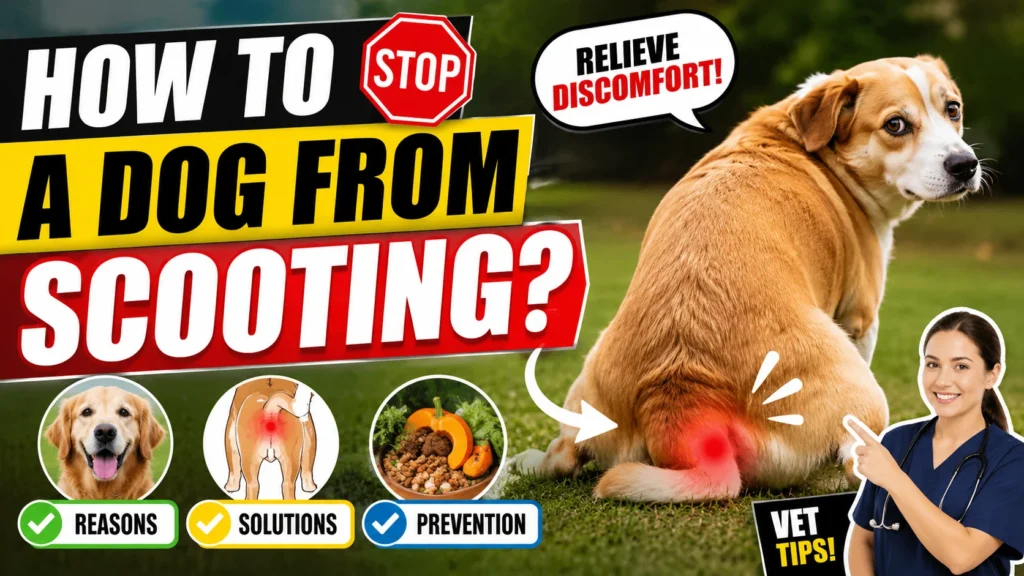
How To Stop A Dog From Scooting? Has your dog ever performed that unforgettable routine of skidding his bum on your fresh carpet? That was a moment that had you covered for both of you that moment is the equivalent of embarrassment, followed up by pure mystery. Although it is, in reality, a silly visual, this type of “scooting” can be indicative that all is not right. As your veterinarian, it’s a behavior that’s relatively common, and happily, often relatively straightforward to correct. So, let’s begin digging into the bottom of canine scooting!
Why is My Dog Scooting?
Scooting is often indicative of anal gland problems, intestinal worms, or an allergy in your pet. The dog can try anything to ease the pain, whether it’s a skin irritation in that area or a foreign body lodged in the rectal area.
1. Anal Gland Issues: The Number One Cause
The most common cause of scooting is trouble with the anal sacs, also referred to as anal glands. The anal sacs are small pouches that line your dog’s rectum, at the four o’clock and eight o’clock positions of the anus. Their purpose is to secrete a strong, fishy-smelling fluid used in marking.
Normally, these glands express a small amount of fluid naturally when your dog passes a firm stool . However, if the stool is too soft, the glands can become impacted, or full, causing pressure and irritation. When your dog has blocked ducts, the liquid continues to fill up in their glands and you’ll notice your dog scooting around on the floor in an effort to release pressure and unblock their glands. If left untreated, impaction can lead to infected glands or an infected rupture, a painful abscess, and in some cases, surgery.
2. Intestinal Parasites
Tapeworms are a another cause that should be mentioned. Tapeworms are the only worms in which dogs often contract by consuming a flea that is carrying the tapeworm eggs . Segments break off the tapeworm and can often be seen around the anus of your dog or in his feces looking like little grains of rice that may be wriggling. These segments will make the dog scoot as it is very irritating and itchy.
3. Allergies and Skin Irritations
Much like humans, dogs can develop allergies to substances in their environment such as pollen or dust mites or foods. These are usually expressed in the form of itchy skin and there’s certainly no reason to believe your dog’s anus and tail end couldn’t be affected as well. That, of course, leaves him only two options to get rid of the itching-to scoot or chew.
4. Other Potential Causes
While less common, scooting can also be caused by:
- Matted Fur: In long-haired breeds, mats can form around the rear, trapping feces and debris, causing significant skin irritation .
- Hygiene: Loose stool or diarrhea can irritate the sensitive skin around the anus .
- Foreign Objects: Occasionally, a dog may have a piece of grass or other debris stuck near the anus, causing discomfort .
- Neurological Disorders: While not a very frequent cause, especially in young dogs, scooting may indicate an underlying problem with the nervous system that governs the sphincter of the anus.
How To Stop A Dog From Scooting? A Step-by-Step Guide
The best way to stop scooting is to treat the underlying cause. Here is a practical guide.
Step 1: The Veterinary Visit – Always the First Stop
Do not try to solve this problem at home without a professional opinion. The first and most critical step is to take your dog to the vet. A veterinarian can perform a simple physical exam, including a rectal palpation, to determine if the anal glands are full, impacted, or infected . This is also the time to bring a fresh stool sample so the vet can check for intestinal parasites.
Warning: Attempting to express your dog’s anal glands at home without proper training is risky. You could inadvertently cause an infection, rupture the gland, or miss signs of a more serious issue like an abscess or tumor .
Also Check: Best Foods for Dogs With Chronic Illness
Step 2: Safe and Effective Home Remedies
After receiving diagnosis and your veterinarians go-ahead to begin using these natural ways, let the treatments begin.
A. Dietary Management (The Most Powerful Remedy)
For most cases of anal gland problems, the key is to firm up your dog’s stool. The solid stool puts natural pressure on the glands to express themselves during a bowel movement .
- Bump up fiber: Start introducing a fiber safely and slowly to your dog’s diet. Some popular and palatable options are plain canned 100% pure pumpkin ( NOT pie filling), sweet potato, broccoli or even a vet-recommended fiber supplement.
- Probiotics: A healthy gut with the right bacteria in a dog’s system helps with digestion and produces more consistent poop. Try giving your dog a probiotic specifically for canines.
- Omega-3 fatty acids: If allergies play a part in your dog’s itch, omega-3 supplements such as salmon oil can support better skin, helping it heal the itch and inflammation from the inside out.
B. Grooming and Hygiene
- Wipe your dog down: after your dog poops, gently wipe the area around your dog’s hind end with a warm cloth or pet-safe wipes to remove anything irritating from your dog.
- Stay away from human products: Do not use human hemorrhoid treatments or essential oils, or human lotions on your dog’s bum because many of these ingredients are toxic or would cause irritation.
- Trimming: For long-haired dogs, keep the fur around the anus neatly trimmed to prevent matting and the trapping of feces .
C. How to Give a Warm Compress
If skin irritation is the culprit, a warm compress will also bring comfort. Just soak a washcloth in warm never hot water, wring it out and then place it on the problem spot and hold it there for 10 minutes. This will bring down swelling and can also work to dissolve old matter in a plugged gland.
Conclusion
Scoot scoot The scoot scoot is one that never needs to be ignored! Scooting is a symptom and indicates your dog is not feeling well. Most commonly, it’s because the anal glands are impacted, which typically can be alleviated through diet change with high-fiber ingredients and medical attention by your vet. Figuring out what’s behind your dog’s scooting, as well as keeping your veterinarian informed is in your dog’s best interest, and helps to keep your own carpeting from getting a work out.
Frequently Asked Questions (FAQs)
Is scooting always a symptom?
Yes, Scooting is generally always a sign of discomfort, pain or irritation within the anus.
Can I treat my dog’s scooting at home?
It is possible to alleviate the effects of scooting by following veterinary advised. Pumpkin can also help make the stool firmer to ease expression. However, attempting to express anal sacs in the home without training can cause more damage.
Can Pumpkin treat Scooting?
Adding pure pumpkin can help the stool form firmly as pumpkin is high in soluble fiber, and firm stool naturally helps to express the dog’s anal glands.
What do tape worms look like in a dog?
Tape worms are segments the shape and size of grains of rice and will look white in colour and you may find them in your dogs fur surrounding the anus, bedding and or faeces.
How do vets express anal glands?
Vets typically perform an internal expression by placing a lubricated, gloved finger inside the rectum to gently squeeze the gland from the inside out, ensuring complete emptying and allowing them to feel for any abnormalities like infection or tumors .
How often should I have my dog’s anal glands expressed?
For most dogs, it is unnecessary to manually express the anal glands, as they release the fluid naturally whenever they pass stool. Only dogs with chronic problems require routine expression, and it’s up to the vet to decide what that entails.
What should I do if my dog is scooting with diarrhea?
It’s the diarrhea itself that is likely causing the irritation. You’ll need to take your dog to the vet; the cause of diarrhea should be addressed with dietary modifications and potentially medication, and it’s important to treat it before it leads to anal gland problems.
Why does my dog’s bottom smell fishy when scooting?
It’s the contents of the anal glands-a thick, oily fluid with an extremely potent and unpleasant odor-that create the fishy smell when it’s expressed during scooting. This fluid is a natural and potent scent marking for dogs.
Could allergies be the reason my dog is scooting?
Yes. Allergies, both environmental and food-related, can cause your dog to experience itchiness and inflammation anywhere on their body, including the region around their anus.
Do I need to take my dog to the vet to have them scoot addressed?
Yes. Because the reasons behind scooting range from minor external irritations to significant issues such as infections, masses or neurological disorders, your vet is the only one who can properly diagnose the problem and treat it accordingly.