Shell Shocked How to Treat a Fungal Infection on Your Pet Turtle’s Shell Naturally and Effectively 2026
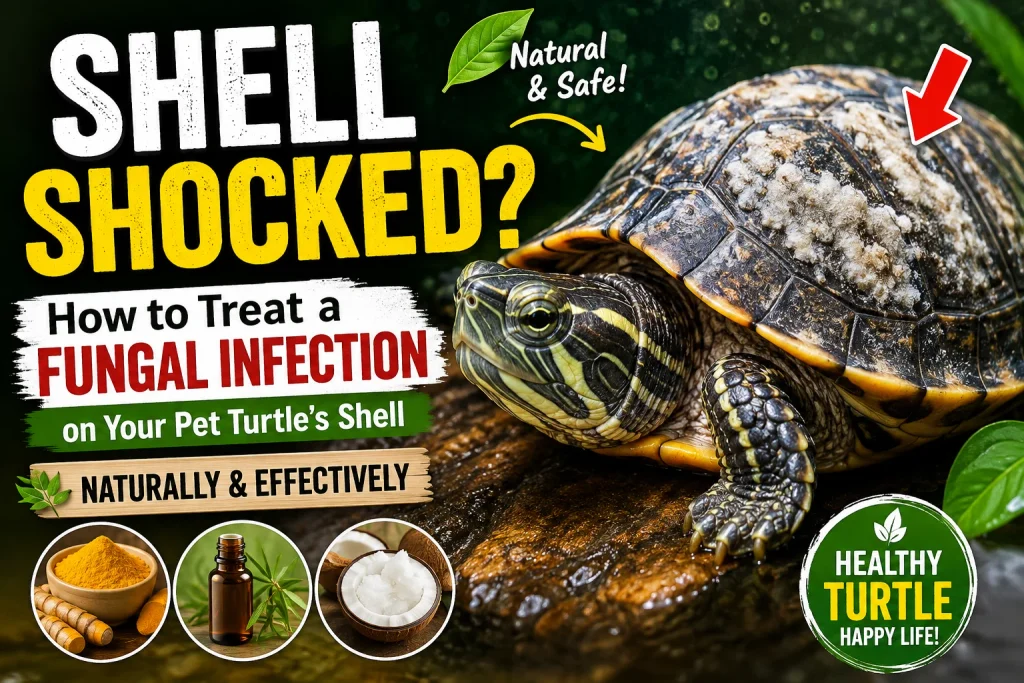
Fungal Shell Infection In Turtles The #1 turtle problem a exotic vet is used to hearing is some type of white, furry or colored patch on the shell of a beloved turtle. Thankfully, a fungus on your turtle’s shell is usually treatable without special drugs, and especially so when you can catch it quickly.
But a turtle’s shell is a living thing not a piece of protection against bumps and untreated, the infection can actually spread into the bone causing much more extensive problems and ultimately death if you just wait too long . We have put together the safe natural vet accepted ways to get treatment and get that turtle of yours healthy.
Understanding the Problem: Fungus vs. Shell Rot
Know what it is. Fungal skin or shell infections usually look like a mold or fungus, often a gray or fuzzy white patch that forms on a turtle’s skin or shell. It’s often the result of an opportunist fungus like Purpureocillium lilacinum taking root on your turtle.
What owners commonly call “shell rot” is usually more systemic; a deeper, more dangerous issue caused by fungus or a bacterium.
Emydomyces testavorans a newly emerged threat to turtles actually eats keratin on shell and flesh and leaves shell holes, cracks, erosion, and discoloration. WHEN TO BE CONCERNED; Soft spots on the shell, a bad smell around the turtle, damage to the shell such as pitting, erosion, or cracks on the shell and whether your turtle is lethargic and not eating indicates an advanced case requiring Veterinary attention. Sometimes a Veterinarian might also perform PCR tests to determine the fungal species, such as E. Testavorans.
Step by Step Treating a Mild Fungal Infection
If you can catch the infection very early just starting to get white spots then and if your turtle is still quite happy you can give the treatment on a homemade basis. This is called the dry and treat method, and is one suggested for exotics.
1. The “Dry Dock” Protocol
Your turtle needs to be able to dry out. The shell that is constantly wet will give fungus and bacteria plenty of to grow in. This is the most important step you need to do!
Dry Hospital Tank Setup: Relocate your turtle into a clean plastic tub or tank no water needed.
Create a Heated Drying Area: Heat your turtle’s dry tank with a heat lamp and set it at 85°F/29°C at one of the corners so that the turtle can get dried off and boost the immune system.
Time: Your turtle needs to be dry in the tank for 1 to 2 hrs immediately after cleaning in the water. You can keep the turtle dry in the plastic tank even overnight if your turtle is mild to moderate cases, at least for a week.
2. Gentle Cleaning
Don’t over scrub and never use harsh chemicals. This can strip or cause damage to the shell. The Tool- A soft bristled tooth brush will work perfectly to help clean the spots!
The Solution- A diluted antiseptic solutions.
Option A (Betadine / Povidone Iodine) Take a little Betadine and dilute it with water until it resembles “weak tea“. Lightly smear this over the spots. Be VERY careful to NOT get any on your turtle’s face or nose – it is for external use only! Option B (Chlorhexidine / Hibiclens) My preferred choice.
Hibiclens is a gentler alternative but still provides very effective antibacterial properties.
Purchase it in 0.5% form or dilute it accordingly. Gently Scrub: Lightly go over the spots on the shell with your tooth brush, the solution will help loosen things up. Then rinse with clean water and dry thoroughly with a towel.
3. Applying Topical Anti Fungals
After cleaning and drying, you can apply a topical anti-fungal cream. There are two schools of thought here:
- Veterinary Recommended: Silver sulfadiazine cream is a prescription compound that is highly effective and safe for reptiles .
- Over-the-Counter: Many experienced keepers successfully use over-the-counter human athletes’ foot cream (like Lamisil or generic terbinafine) . It is often preferred over Canesten (clotrimazole) as some owners find it more potent and effective .
Important Note: Do not use antibiotic ointments or creams without a vet’s advice, as they will not treat a fungal infection and could worsen the condition .
4. Treat the Environment, Not Just the Turtle
You can scrub that shell as much as you please; if the turtle goes back to its dirty tank, the fungus will reappear. Excellent water quality is the key to both treatment and prevention. Clean the tank Thoroughly clean out and perform large water change or change out filter media Add aquarium salt Traditional natural treatment for fungi requires adding 1 tsp of iodine-free aquarium salt per gallon to the water, as this will cause an inhospitable environment for fungi.
Maintain good water parameters.
Feed a good diet Turtles who eat well are able to fight infections. It is recommended to keep your turtle on a species-appropriate diet, dusted with calcium and a multi-vitamin powder, in order to keep its shell strong.
When to See a Vet Immediately
Home treatment will work for mild lesions, but fungal infections can become life threatening quickly. Take your turtle to a vet immediately if you see: Not improving lesions do not improve at all within a few days of home treatment. Deep lesions the shell has pit, or has craters and you see the pink or red tissue that is under the shell.
This may require surgical debridement or, in more advanced cases, the veterinarian can implant antibiotic impregnated sponges in the shell cavity or treat the lesions with lasers .
Systemic symptoms your turtle is moving sluggish and not eating, or shows other signs of internal disease. In these cases the veterinarian may recommend internal medication such as itraconazole (oral) and terbinafine, and if applicable, cases of E. testavorans, the antifungal terbinafine may be administered via nebulization .
For More : Shih Tzu Eye Problems: A Comprehensive Guide for Concerned Owners 2026