Diabetic Dog Treats

Diabetic Dog Treats contain sugar, honey, molasses, flour, or high-fructose corn syrup. You do not have to stop showing love with food. However, managing canine diabetes requires shifting from high-sugar, high carbohydrate snacks to low glycemic, high-fiber, protein-focused rewards.
Choosing the wrong treat can send your dog’s glucose levels into a dangerous spike. Choosing the right treat can actually help regulate their energy. Let’s cut through the confusion. Here is your definitive, clinical guide to safe diabetic dog treats.
Why Most Commercial Treats Are Dangerous for Diabetics
Walk down any pet store aisle. The majority of Even “grain-free” biscuits often use peas and potatoes carbohydrates that convert rapidly to glucose.
For a diabetic dog, a single milk bone can have the same metabolic effect as a can of soda for a human diabetic. This leads to hyperglycemia (high blood sugar), excessive thirst, urination, and over time, dangerous complications like cataracts or neuropathy.
The Golden Rules of Diabetic Treats
Before listing safe options, memorize these three veterinary rules:
- The 10% Rule: Treats should make up no more than 10% of your dog’s daily caloric intake. The other 90% must be their regulated prescription diet.
- Consistency is King: Give treats at the same time each day, ideally right after a meal or a walk, never in isolation (which can cause a sudden sugar drop).
- Read Labels for “Hidden Sugars”: Avoid anything ending in -ose (sucrose, dextrose, fructose, maltose) and any form of syrup, molasses, or carob (which often has added sugar).
The Safest Human Foods for Diabetic Dogs (Vet-Approved)
These whole foods have a low glycemic index (GI) and high fiber content, which slows glucose absorption.
1. Crunchy Vegetables (The Gold Standard)
- Cucumber slices: Nearly zero calories, hydrating, and no sugar.
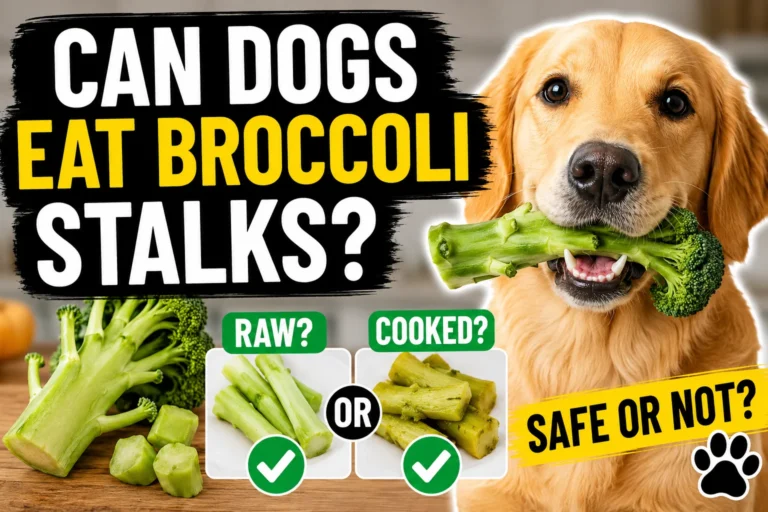
- Broccoli stems: High in fiber and chromium (a mineral that helps insulin work better).
- Cauliflower florets: A perfect crunchy alternative to biscuits.
- Zucchini: Raw or lightly steamed.
- Celery sticks: Cut into small, non-choking pieces.
2. Leafy Greens (For Iron & Fiber)
- Romaine lettuce: Roll a small piece up like a cigar.
- Spinach: Offer 2–3 leaves only (oxalates can be an issue in large amounts).
3. Lean Proteins (No Seasoning)
- Plain boiled chicken breast: Skin removed, no salt.
- Plain scrambled eggs (no milk/butter): Egg whites are perfect; yolk is fine in moderation.
- Canned tuna in water: Drain thoroughly. Offer 1 teaspoon.
4. Occasional Low-Sugar Fruits (Small Portions)
- Raspberries: High in fiber, low in sugar (3–4 berries max).
- Blackberries: 2–3 berries.
- Blueberries: 1–2 berries only.
Commercial Diabetic Dog Treats (What to Look For)
If you prefer store-bought, look for treats certified by the Glycemic Research Institute or those with:
- < 10% carbohydrate content.
- > 20% crude fiber.
- No wheat, corn, or soy.
Vet-recommended brands:
- Dr. Harvey’s Low-Fat Treats
- PureBites Freeze-Dried Chicken (single ingredient)
- Hill’s Prescription Diet Treats (for glucose management)
Warning: Even “diabetic-friendly” labeled treats can be risky. Always test your dog’s blood sugar 2 hours after a new treat to ensure safety.
3-Step “Home Bakery” Recipe (No flour, No sugar)
The Peanut Butter “Cookie” (Low Carb)
Ingredients:
- 1 cup pea protein or egg white protein powder (not whey)
- ½ cup unsalted, no-sugar-added peanut butter (check xylitol – deadly!)
- ¼ cup water
- 2 tbsp ground flaxseed
Instructions:
- Mix all ingredients into a stiff dough.
- Roll into small pea-sized balls (not cookie-sized).
- Bake at 350°F for 12 minutes.
- Store in fridge. Give 1 ball as a treat.
Nutrition per ball: 12 calories, 0.8g carbs, 1g protein.
Foods That Will KILL Glucose Control (NEVER Feed)
- White rice, pasta, bread
- Carrots (high natural sugar)
- Beets, corn, peas
- Sweet potatoes or regular potatoes
- Fruit juice, applesauce, bananas
- Dog chocolate (carob often has maltose)
A Crucial Note on Hypoglycemia (Low Blood Sugar)
While we focus on avoiding highs, treats can also cause lows. If your diabetic dog receives insulin, a large treat without a meal can drop glucose dangerously. Signs of hypoglycemia: Weakness, shaking, disorientation, seizures.
What to do: If your dog acts weak after a treat, rub honey or corn syrup on their gums immediately and call your emergency vet. This is why we stick to the 10% rule.
Also Check: Can Cats Eat Broccoli? A Vet’s Guide to Safety, Risks & Benefits
Final Vet’s Verdict
You can give your diabetic dog treats but treat time should be strategic, not spontaneous. Stick to single-ingredient proteins and fibrous vegetables. Avoid anything that grows underground (carrots, potatoes) or comes in a shiny biscuit wrapper. When in doubt, a single green bean is always safer than a “diabetic dog cookie” from a bulk bin.
Frequently Asked Questions (FAQ)
Can I give my diabetic dog peanut butter?
Yes, but only all-natural peanut butter with no added sugar, no xylitol (a deadly sweetener), and no palm oil. Limit to ½ teaspoon per day. Read the label ingredients should only say “peanuts and salt.”
Are green beans good for diabetic dogs?
Excellent. Plain, raw, or steamed green beans are high in fiber and nearly zero sugar. They are the #1 vet-recommended filler treat. Avoid canned green beans (added sodium).
Can diabetic dogs have cheese?
In tiny amounts. Hard cheeses like cheddar (0.5g carbs/oz) are safer than soft cheeses. However, many diabetic dogs also have pancreatitis. Cheese is high in fat, which can trigger pancreatic flare-ups. Offer a pea-sized piece once weekly at most.
Is pumpkin safe for diabetic dogs?
Yes and no. Plain canned pumpkin (not pie filling) is high in fiber, which is good. However, pumpkin has natural sugar. Use only 1 teaspoon mixed into food, never as a standalone treat.
Can diabetic dogs eat eggs?
Absolutely. Plain scrambled or boiled eggs (no oil, butter, or milk) are pure protein with zero carbohydrates. Egg whites are perfect; limit yolk to ½ per day due to fat content.
Are there any fruits a diabetic dog can eat?
Yes: raspberries, blackberries, and strawberries (1–2 small pieces). Avoid grapes (toxic), bananas (high sugar), apples (too much fructose), and watermelon (sugar water).
My dog begs for bread. Can I give a tiny piece?
No. White, wheat, whole grain, sourdough all bread converts instantly to glucose. Even a crumb can destabilize a sensitive diabetic dog. Use a green bean slice instead.
How many treats can I give per day?
Count calories, not pieces. For a 20lb diabetic dog, treat calories should not exceed 25–30 calories total per day. That might equal: 3 green beans, 2 cucumber slices, and ½ tsp peanut butter total.
What if I accidentally gave a sugary treat?
Monitor for 6 hours. Watch for excessive drinking, lethargy, or stumbling. Check urine glucose strips if you have them. Do not give insulin on an empty stomach. Call your vet if symptoms appear. Do not panic one mistake usually corrects, but repetition causes damage.
Do diabetic dogs need special “prescription” treats?
Not necessarily. While Hill’s w/d or Royal Canin Glycobalance treats are safest, most diabetic dogs do better on whole foods (chicken, egg, cucumber). Prescription treats are expensive. Compare the carb count: A prescription treat often has 15% carbs; a green bean has 2% carbs.