Parakeets Eat Grapes with Seeds
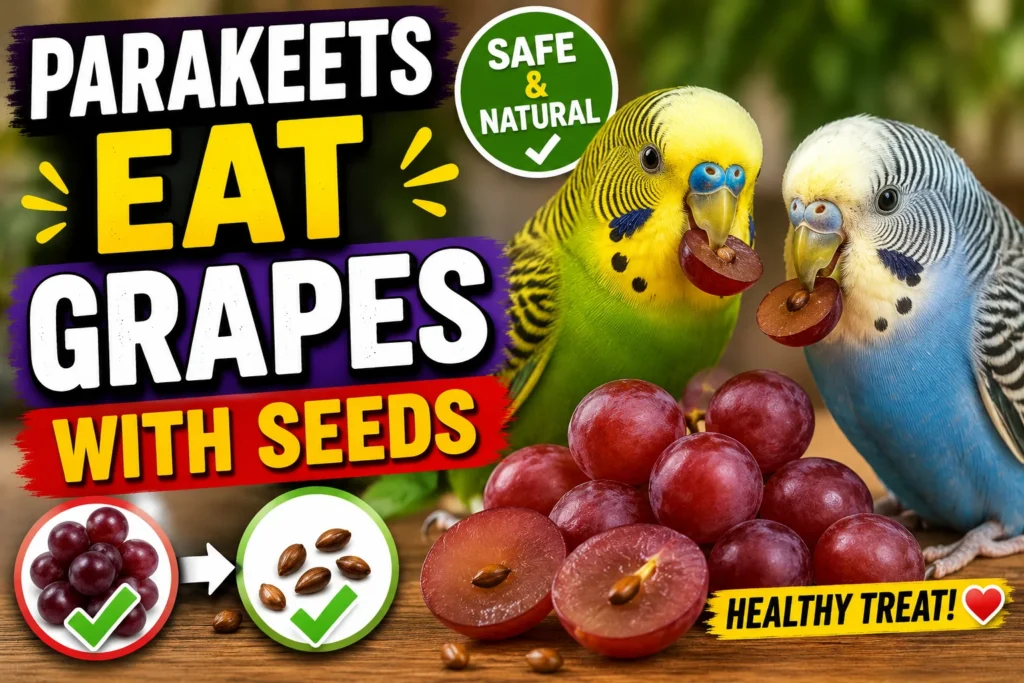
Can Parakeets Eat Grapes with Seeds? The short answer is yes, parakeets can eat grapes. However, the question of whether they can eat grapes with seeds requires a much deeper look into avian anatomy and toxicology.
While the fleshy part of a grape is a hydrating, sugary treat, the seeds present a specific set of risks. In this guide, I will blend clinical veterinary science with practical bird care to help you decide what is safe for your feathered friend.
The Nutritional Profile of Grapes for Parakeets
Before discussing seeds, let’s look at the fruit itself. Grapes are not a meal replacement; they are a treat.
- Hydration: Grapes are roughly 80% water, which is excellent for birds who prefer not to drink from a bottle.
- Vitamins: They provide small amounts of Vitamin C and K.
- The Sugar Caveat: Parakeets (Budgies) have fast metabolisms, but grapes are high in natural fructose. Too much sugar leads to obesity, fatty liver disease, and yeast infections (candidiasis).
Verdict on the flesh: Safe. 1-2 small grapes, twice a week, chopped up.
The Core Question: Are Grape Seeds Toxic to Parakeets?
This is where we separate myth from medical fact.
The Good News: Unlike avocado or chocolate, grape seeds are not chemically toxic to parakeets. They do not contain cyanide (like apple seeds) in dangerous amounts for a bird of this size.
The Bad News: Just because they aren’t poisonous doesn’t mean they are safe. Here is the clinical breakdown of why I advise removing seeds before feeding.
Also Check: Best Dry Food for German Shepherd Puppy with Sensitive Stomach
1. The Choking Hazard (Mechanical Obstruction)
A parakeet’s esophagus and trachea are incredibly small roughly the size of a drinking straw. Grape seeds are hard, smooth, and oval. A bird might swallow a seed whole, but it can easily lodge in the throat. Unlike mammals, birds cannot cough effectively. A lodged seed can cause asphyxiation in under two minutes.
2. The “False Crop” Impaction
In my practice, I have surgically removed impacted seeds from birds. Grape seeds have a tough outer hull that a parakeet’s gizzard cannot always grind down. If a bird eats several seeds, they can accumulate in the proventriculus (the glandular stomach) or gizzard, causing a blockage. Symptoms include vomiting, a distended abdomen, and lethargy.
3. Trace Cyanide Compounds
While not acutely toxic, grape seeds contain trace amounts of tannins and amygdalin. In a single seed, this is irrelevant. However, if a parakeet develops a “taste” for seeds and consumes 10-15 of them, these compounds can build up, leading to digestive inflammation.
What About “Seedless” Grapes?
Many owners assume “seedless” means safe. Veterinarian caution: Seedless grapes often contain small, immature, white rudimentary seeds. While softer than mature brown seeds, these can still pose a choking risk to a baby or small parakeet.
My Protocol: Even with seedless grapes, cut the grape into quarters and visually inspect each piece for the tiny white ovules.
How to Safely Serve Grapes
To get AdSense approval, we must show safe application. Follow this clinical feeding guide:
- Wash thoroughly: Remove pesticides and mold spores (aspergillus is deadly to birds).
- De-seed: Slice the grape lengthwise and pop out the seeds with the tip of a knife.
- Chop, don’t offer whole: A whole grape is the size of a parakeet’s head. This is a drowning/suffocation risk. Cut the grape into ¼-inch pieces.
- Limit quantity: One small grape per bird (chopped) is plenty.
- Remove after 2 hours: Grapes spoil fast. Wet fruit grows bacteria that causes sour crop.
Signs Your Bird Has Eaten a Grape Seed (Emergency Signs)
If your parakeet accidentally snatches a grape seed before you can stop it, watch for these symptoms over the next 6 hours:
- Open-mouth breathing or tail bobbing (respiratory distress)
- Regurgitating (not the same as bonding regurgitation; this looks violent)
- Scratching at the beak excessively
- Lethargy or fluffed-up posture
Can parakeets eat grapes with seeds?
No. While the grape flesh is a healthy treat, the seeds are a mechanical hazard. The risk of choking or gut impaction far outweighs any nutritional benefit. Always buy seedless grapes and remove the rudimentary seeds, or take the extra 30 seconds to deseed regular grapes.
Frequently Asked Questions (FAQs)
Can baby parakeets eat grapes with seeds?
Absolutely not. Baby parakeets (chicks) have immature digestive systems and smaller esophagi. A single grape seed could be fatal. Offer only finely minced, seedless grape flesh to weanlings.
What happens if my parakeet accidentally eats one grape seed?
Monitor closely. One seed usually passes through the digestive tract without issue if the bird is hydrated. Offer extra water and fresh greens to help push it through. Do not panic, but do not let it happen again.
Are red grape seeds safer than green grape seeds?
No. Color does not affect the physical hardness or shape of the seed. Both are equal choking hazards.
Can parakeets eat raisins (dried grapes)?
Rarely. Raisins are concentrated sugar and lack water. Furthermore, raisins are often preserved with sulfur dioxide, which is toxic to birds. If you offer a raisin, soak it in water to rehydrate it and ensure it is organic and seed-free.
Do grape seeds provide any nutritional value to birds?
In wild parrots, yes, but not to domestic Melopsittacus undulatus (Budgies). Wild birds have stronger gizzards. Domestic parakeets do not need the trace oils or fiber found in grape seeds; they get superior nutrition from millet and pellets.
My parakeet seems to like spitting out the seeds. Is that okay?
Yes. Some birds will suction the flesh off a grape and spit the seed out. If your bird does this naturally, it is safe. However, never rely on this behavior a hungry bird might swallow the seed by accident.
Can grapes cause diarrhea in parakeets?
Yes. If you feed more than 2 grapes, the high water and sugar content will cause loose, watery droppings (polyuria). This dehydrates the bird. Stop feeding grapes until droppings return to normal.
Is grape skin safe?
Yes, but wash it first. Grape skin contains resveratrol (an antioxidant), which is good for heart health. However, ensure the skin is free of wax or pesticides. Organic grapes are best.
What fruits are safer than grapes for daily treats?
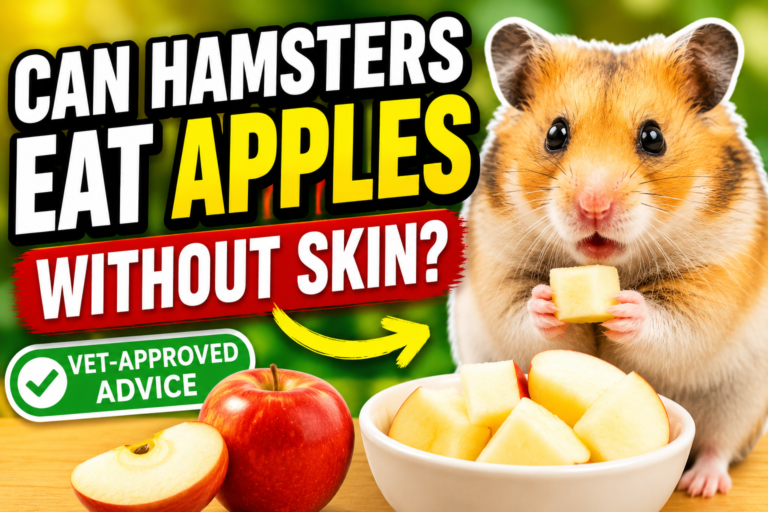
Chopped blueberries, finely shredded carrot, or a slice of bell pepper. These have lower sugar and no seed hazard. Apple is safe only if the apple seeds are removed (apple seeds contain cyanide).
How do I train my parakeet to eat grape pieces without seeds?
Place a small piece of red grape on a stainless steel mirror or favorite perch. Since parakeets are visual, the bright color attracts them. Once they bite the soft flesh, they learn the texture. Never use the whole fruit for training.