Can Turtles Eat Cabbage Leaves?
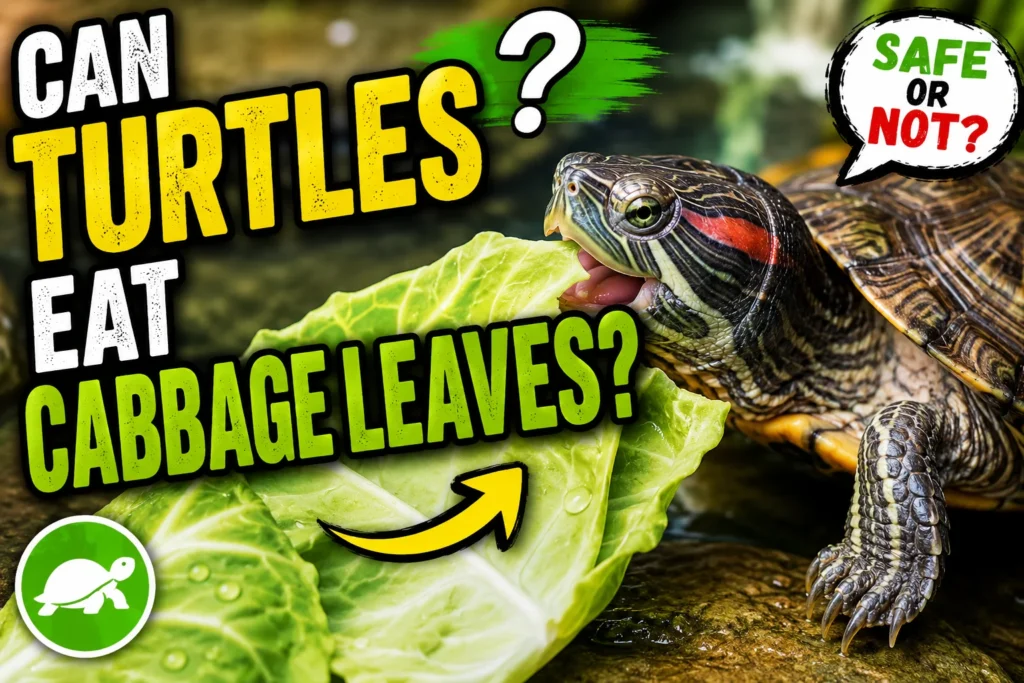
Can Turtles Eat Cabbage Leaves? The short answer is: Yes, turtles can eat cabbage leaves, but only in strict moderation. Cabbage is not toxic, but it contains specific compounds that can harm your pet if fed daily or in large quantities. As a veterinarian, one of the most common questions I hear from new turtle owners is, “Can I just feed my turtle lettuce and cabbage from the fridge?” While it seems like a healthy, convenient snack, cabbage is a nuanced food for chelonians (turtles and tortoises).
The Nutritional Profile of Cabbage for Turtles
Before feeding any human food to a reptile, we must look at the calcium-to-phosphorus ratio and anti-nutrient content. Cabbage (green, red, or Napa) offers:
- Vitamin K & C: Supports blood clotting and immune function.
- Fiber: Aids in bowel regularity.
- Water content: Helps with hydration (approx. 92% water).
However, the problems lie in the goitrogens and oxalates.
The Hidden Danger: Goitrogenic Properties
Cabbage belongs to the Brassica family (cruciferous vegetables). These vegetables contain goitrogens compounds that interfere with iodine uptake in the thyroid gland.
- The risk: In high amounts, goitrogens cause thyroid enlargement (goiter), metabolic slowdown, and even organ damage.
- The reality: A few small pieces once a week will not cause this. Feeding only cabbage for weeks will.
Species Matters: Aquatic vs. Herbivorous Turtles
Not all turtles digest plants the same way.
- Red-Eared Sliders & Painted Turtles (Omnivores): They need 75% plant matter as adults. Cabbage is acceptable as a minor leafy green.
- Russian Tortoises & Sulcatas (Herbivores): These grass-eaters tolerate cabbage better than aquatic turtles, but it should never be a staple. They require high-fiber weeds (dandelion, clover) instead.
- Softshell & Snapping Turtles (Carnivores): These turtles rarely eat vegetables. Do not feed cabbage to carnivorous species; it will cause digestive upset.
Also Check: Can Parakeets Eat Strawberries? A Vet’s Guide to Safe Feeding
Red Cabbage vs. Green Cabbage vs. Napa Cabbage
| Type | Safety Rating | Notes |
|---|---|---|
| Green Cabbage | Moderate | Standard choice. High in goitrogens. Use sparingly. |
| Red/Purple Cabbage | Low | Contains anthocyanins (antioxidants) but also more goitrogens and oxalates. Avoid frequent use. |
| Napa (Chinese) Cabbage | High (Safer) | Lower in goitrogens and easier to digest. The best choice if you must feed cabbage. |
| Sauerkraut | Danger | Never feed. Fermented cabbage contains salt, bacteria, and acids that destroy a turtle’s gut flora. |
How to Safely Feed Cabbage Leaves to Your Turtle
If you choose to offer cabbage, follow this veterinary protocol to minimize risk.
Step 1: Select fresh, organic leaves. Avoid wilted or pesticide-sprayed heads.
Step 2: Wash thoroughly. Remove dirt and chemical residues.
Step 3: Remove the hard stem. The white central rib is tough to chew and offers no nutrition.
Step 4: Tear into bite-sized pieces. Tear, do not cut with a metal knife (tearing mimics natural foraging and prevents oxidation).
Step 5: Mix with other greens. Never serve cabbage alone. Combine it with collard greens, mustard greens, or dandelion leaves (80% mix / 20% cabbage).
The Ideal Feeding Schedule
- For hatchlings (under 1 year): Avoid cabbage entirely. Their growing thyroids are vulnerable.
- For adult aquatic turtles (over 4 inches): 1 small leaf (torn into 3 pieces) every 10 to 14 days.
- For adult tortoises: 1 leaf every 7 days, mixed into a salad of 5+ other greens.
5 Critical Signs You Are Feeding Too Much Cabbage
Watch for these clinical symptoms of overfeeding cruciferous vegetables:
- Lethargy: The turtle sleeps more than usual and won’t bask.
- Puffy neck/eyes: Early sign of thyroid stress (pseudo-goiter).
- Loss of appetite: Refusing favorite foods like worms or berries.
- Diarrhea: Cabbage is high in water and sulfur; excessive amounts cause loose, foul-smelling stools.
- Poor shell growth: Soft spots or pyramiding (bumpy shell) due to calcium blockage.
If you see these, stop feeding cabbage immediately and switch to a calcium-rich diet of collard greens and cuttlebone.
What Happens If My Turtle Eats Cabbage Every Day?
Daily feeding is dangerous. Over 30 days, the constant goitrogen load will suppress thyroid function. The turtle will stop metabolizing calcium, leading to Metabolic Bone Disease (MBD) a painful, irreversible condition where the shell softens and limbs deform.
Healthier Alternatives to Cabbage
Your turtle does not need cabbage. These options are safer, tastier, and more nutritious:
- Romaine Lettuce: Excellent hydration, zero goitrogens.
- Red Leaf Lettuce: High in Vitamin A (good for eyes).
- Dandelion Greens: Perfect calcium:phosphorus ratio (3:1).
- Turnip Greens: Superior to cabbage in every metric.
- Water Hyacinth (for aquatic turtles): Natural pond plant they love.
To Feed or Not to Feed?
Do not make cabbage a routine food. Think of it as an “emergency vegetable” or a once-in-a-two-week treat. In 15 years of practice, I have treated zero turtles for cabbage poisoning, but I have treated dozens for the long-term consequences of a poor, cabbage-heavy diet specifically goiter and MBD.
The golden rule of turtle nutrition: Variety is health. If you rotate 8 to 10 different greens, a tiny bit of cabbage is harmless. If you feed cabbage three times a week, you are harming your pet.
Frequently Asked Questions (FAQs)
Can baby turtles eat cabbage leaves?
No. Hatchlings and juveniles have rapid metabolisms and developing thyroids. The goitrogens in cabbage can stunt growth. Stick to duckweed or finely chopped romaine for the first year.
Is raw cabbage safer than cooked cabbage for turtles?
Raw is safer. Cooking breaks down cell walls and concentrates the goitrogens, making them more bioavailable and thus more dangerous. Never offer boiled or steamed cabbage.
Can turtles eat cabbage every day?
Absolutely not. Daily feeding risks thyroid damage, metabolic bone disease, and diarrhea. Maximum frequency is once per 10 days for large adults.
Will cabbage turn my turtle’s shell purple or red?
No. Red cabbage does not pigment the shell. Shell color changes are caused by lighting, genetics, or septicemia (infection). If the shell is red, see a vet immediately.
My turtle refuses to eat anything but cabbage. What do I do?
This is “food addiction.” Stop offering cabbage cold turkey. Fast the turtle for 24 hours (clean water only), then offer a mix of dandelion greens and soaked pellets. Healthy turtles will not starve themselves.
Can turtles eat cabbage stalks or cores?
No. The white, hard center is indigestible and can cause intestinal blockage. Always cut the leafy part away from the stem.
Is frozen cabbage safe for turtles?
Yes, but thaw it first. Frozen cabbage becomes limp and loses some goitrogen content (good), but also loses water-soluble vitamins (bad). Rinse after thawing.
Can turtles eat cabbage with insects?
Yes, but separate them. If you feed an omnivorous turtle cabbage, do not mix it with worms in the same bowl. The phosphorus in insects combined with the oxalates in cabbage can lock calcium entirely. Feed insects on a different day.
Do wild turtles eat cabbage?
Never. Wild turtles eat aquatic plants, algae, and carrion. Cabbage is a human-cultivated crop. Wild turtles lack the gut enzymes to process large amounts of cultivated Brassica.
How long after eating cabbage might a turtle get sick?
Chronic issues take 4–8 weeks to appear (lethargy, goiter). Acute digestive issues (diarrhea, gas) appear within 24–48 hours. If you see floating, green diarrhea, stop cabbage and provide a warm basking spot to aid metabolism.