
Why is My Dog Itching but Has No Fleas?
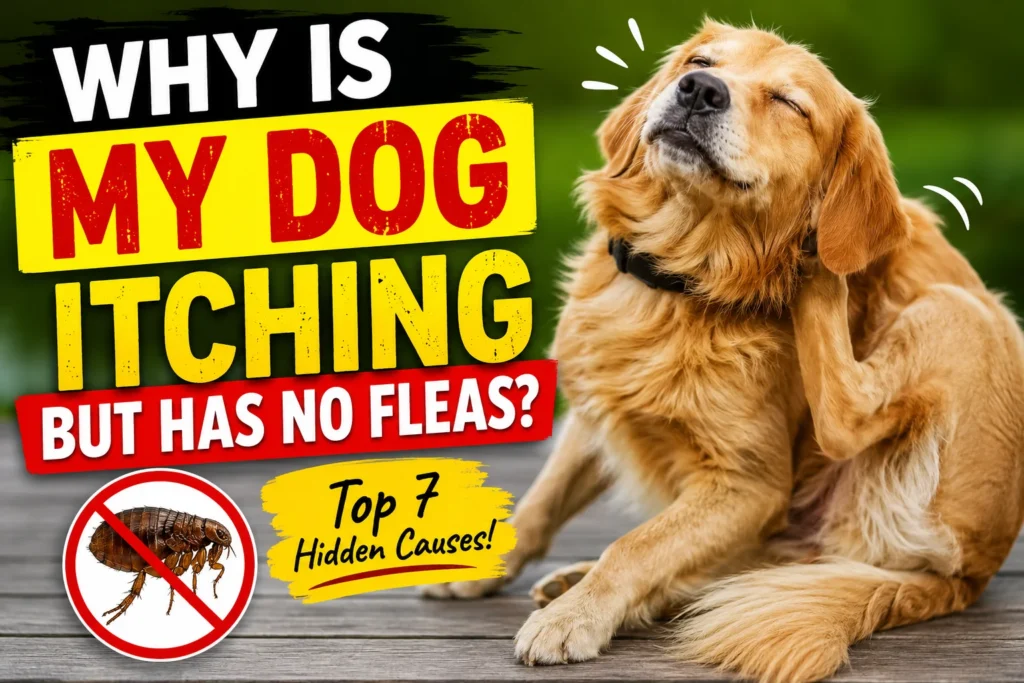
Why is My Dog Itching but Has No Fleas?. It is upsetting, particularly if you have a pet dog yourself, to observe your furred friend licking, biting, and scratching every second of the day. As a dog-owning veterinarian myself, I regularly ask owners of itching dogs to be sure and check for even an isolated bug – to establish that even though their dog doesn’t have an obvious infestation, something more fundamental cannot be the trigger for an extremely bothersome itchy condition.
Normal vs Abnormal Scratching
To do that it may be good to know what’s normal: Dogs may scratch due to different reasons. A scratch may be used to alleviate an occasional itch, or it can be an activity associated with grooming behaviours. Dogs are known to scratch in certain situations including excitement, frustration, anxiety or even for boredom, these are usually short-lasting episodes, do not harm the dog skin.
Abnormal scratching is different. It’s persistent, intense, and often focused on specific areas. You might notice:
- Constant itching: Lasting for several minutes at a time or occurring many times a day.
- Visible skin changes: Redness, inflammation, hair loss, bald patches, scabs or open sores .
- An unpleasant odor: This can indicate a secondary bacterial or fungal infection .
- Behavioural changes: Your dog seems restless, whines, or is constantly licking or biting at their skin .
If you see these signs, it’s time to investigate further and consult your veterinarian.
Why is My Dog Itching but Has No Fleas?
When fleas are ruled out, there is a long list of other potential culprits. Here are the most common causes.
1. Allergies
Environmental Allergies: This is the most common form of allergy-induced itch and is defined as a chronic inflammatory skin condition resulting from inhaled environmental allergens such as house dust mites, pollen, mold and grass. Common signs include itchy skin, constant paw chewing and recurrent ear infections. Unlike human allergies that cause sneezing, a dog’s allergy often manifests in their skin, a condition called atopic dermatitis . This is often seasonal but can be year-round.
A key clue is if your dog is licking their paws excessively after walks . One study even described a unique contact dermatitis in dogs triggered by grass, causing severe itching in areas that touch grass, like the chest and belly.
Food Allergies: Though less common than environmental allergies, affecting only about 0.2-1% of dogs, food allergies are another significant cause of itching . The most common food allergens are proteins like chicken, beef, dairy, and wheat . Food allergies often cause year-round itching and can involve the “ears and rears,” meaning you might see itchy ears, ear infections, and anal gland issues . Vomiting or diarrhea might also be present.
Contact Allergies: This is a reaction to something your dog’s skin comes into direct contact with, such as certain shampoos, soaps, cleaning products, or even specific plants.
2. Skin Infections
Persistent scratching can damage the skin’s protective barrier, leading to secondary infections .
- Bacterial Infections: These can cause redness, oozing sores, crusts, and a foul odor .
- Yeast Infections: A common sign of a yeast infection is a greasy coat and a distinct smell often compared to corn chips. The skin can also become thickened and darkened in chronic cases.
3. Parasites (Other Than Fleas)
Aside from fleas, these other parasites can also cause intense scratching.
Mites: Invisible, the tiny parasites commonly known as mange can torment your furry friend’s skin. Sarcoptic mange (scabies), is intensely itchy, transferable and causes mange’s distinctive loss of hair and crusty patches of skin.
4. Dry Skin and Environmental Factors
Dogs are like we can be; at any time and season of year it is possible for dogs to develop dryness, and especially in areas and places where there’s really humidity especially when it the cold season or if a lot the. It’s common for dogs to come into contact with dryness when that frequent baths that remove it natural oily texture from their surface or because there is an illness occurring so you need to recognize for these flakes as those the ones you see on our skin, called.
5. Underlying Health Issues
In some cases, itching can be a symptom of a more complex internal problem, such as:
- Hypothyroidism: An underactive thyroid can lead to a dull coat, hair thinning, and skin problems that cause itching .
- Cushing’s Disease: This hormonal disorder can cause thinning hair, fragile skin, and increased susceptibility to infections .
The “Itch Cycle”
The single most critical concept any of us who own itchy dogs should remember is the “Itch Cycle.” The itching itself (no matter how it started) is invariably accompanied by self-trauma (licking, biting, scratching) of the skin. This is injurious and causes skin lesions that are the breeding ground for secondary bacteria or yeast which then causes additional inflammation and itching and keeps you trapped in the Itch Cycle! Our job is to break the cycle.
Diagnosing the Cause
Finding the root cause of your dog’s itching requires detective work. An accurate diagnosis is essential to stop the frustrating “Itch Cycle” . It’s a process of elimination that should always begin with a visit to your vet. Here’s what to expect:
- Veterinary Examination: The vet will start with a thorough physical exam and ask about your dog’s medical history, including diet, environment, and the timing of the itching. They will check for fleas and flea dirt, as these can be easily missed .
- Skin Scraping and Cytology: To rule out mites and identify bacterial or yeast infections, your vet will perform a skin scraping and take samples to look at under a microscope. This is a crucial first step .
- Allergy Testing: While not always a straightforward test, your vet can help determine if allergies are the likely culprit. There is no definitive test for environmental allergies, so diagnosis is often made by ruling out other causes .
- Elimination diet: “This is the gold standard in diagnosing a food allergy,” Dr. Becker explains. For eight to 12 weeks you will need to give your dog a prescribed diet, made up of one single protein and carbsource your dog hasn’t consumed before (or a hydrolyzed protein-based diet). You can’t give them any other Food or treats.
How to Relieve Your Dog’s Itching at Home
Although a vet is the solution to manage any dog issue, there are a number of things you can try for relief in the interim:
Soothing Topical Treatments
- Oatmeal Baths: You can also use colloidal oatmeal (which is just really finely ground oats) in your dog’s bath. Colloidal oatmeal is anti-inflammatory and is really good for irritated skin. Have your dog soak for 10-15 minutes for good results. But definitely don’t try this if your dog has a yeast infection (you’ll be amazed at how quickly it can worsen problems).
- Aloe Vera: For simple red spots, you can also use pure aloe vera gel applied topically (make sure that your aloe vera gel has absolutely no alcohol or added ingredients, and don’t let your dog lick it off!).
- Wiping Paws: Wiping the paws, bellies and faces of any dog suspected of having environmental allergies can remove pollen, grass and other potential irritants before they even hit the skin.
Also Check: Signs of Anxiety in Dogs and How to Calm Them
Dietary Support
- Omega-3 Fatty Acid Supplements: These are powerful anti-inflammatories that support skin health from the inside out. Fish oil or flaxseed oil supplements can help reduce itchiness and improve the skin barrier, coat condition . A daily dose is typically around 50-100 mg of combined EPA/DHA per kg of body weight .
- Probiotics: An increasing number of studies are highlighting the involvement of gut-skin axis to the health of skin in humans, some even show its effectiveness in atopic dermatitis, with the ability to regulate the intestinal flora and even influence the immune system . Although the studies in the canine field are currently limited, a probiotic food is not an expensive but effective adjuvant.
Environmental Management
- Lessen Your Pet’s Exposure to Pollen: Clean your dog’s bed regularly (e.g., weekly) using a scentless detergent. Clean your floors of pollen regularly using a high-efficiency particulate air (HEPA) filter, and consider the use of an air filter in your home. In addition, a humidifier might reduce a dog’s dry, itchy skin during winter months-if he is afflicted with environmental allergic issues.
- Avoid Irritants: Be mindful of what your dog comes into contact with, from lawn chemicals to new cleaning products. If you suspect a contact allergy, use only unscented, hypoallergenic products near your dog.
Veterinary Treatments
For the cases of moderate or severe nature the veterinarian may prescribed a medication. Nowadays in veterinary Dermatology is being treated at quite rapid pace with certain advanced veterinary Dermatologic treatments which break the vicious cycle of irritation, with prompt results.
- JAK Inhibitors: Drugs like oclacitinib (Apoquel) are highly effective at rapidly stopping itching by targeting specific inflammatory pathways. A newer, highly selective drug called atinvicitinib (NUMELVI) has been developed with a focus on a strong safety profile and can be given to dogs as young as six months old .
- Other medications may be required: Depending on the cause, your vet can use a variety of other medications, such as antibiotics, antifungal medication or steroids, to help reduce and improve his symptoms. There are even injectable new medications for allergies, called biologics, that target the immune system in a specific way.
Conclusion
If the answer to ‘does my dog itch’ is’ yes’ but you have confirmed ‘no fleas’, take heart – you’re in good company. Itchy, no-flea scenarios are usually a result of one of a couple of simple, treatable underlying diseases such as: environmental allergies; food allergies; skin infections, or internal and external parasites. Helping your dog escape the Itch Cycle is best addressed by a trip to the veterinarian, after which the following steps should put him on the path to more restful – not itchy days!
Frequently Asked Questions (FAQs)
1. My dog isn’t scratching as much but hair is coming off. What is going on with my dog’s hair/skin?
This is also a strong suggestion of allergy as dogs often stillitch. There is a diagnosis called alopecia ( hair loss) along with itching.mites and bacteria are also a good possibility,so go to the vet for a skin scraping as it is the best way to get a definitive answer on your dog’s illness,
2. Is it true that even if a dog has no fleas, it can still be allergic to grass?
Yes, it is very true that your dog can be allergic to grass. This a very common environmental allergy. If your dog is allergic to grass it will mostlikely have a special skin disorder and the only parts of his body to ever get hot spots and be red are his stomach and feet due to grass contact.
3. Is there any way to know if my dog is allergic to the grass or food he is eating, when he itches?
If your dog gets itching at the same time each year, then it is a sign that this allergy is seasonal like a lot of the environmental allergies. Food allergies more often show a year round itch, accompanied by both ear infections and digestion problems like vomiting and diarrhea. One of the only sure ways to diagnosis food allergy is through a food elimination trial but that usually is a last resort.
4. Would oatmeal baths be okay for my dog’s skin condition? Oatmeal is soothing for my dog’s itchy spots.
Yes oatmeal bath are okay and soothe dry itchy skin. This should not be used when the skin condition is oily and smells bad and you may need something different for yeast infection if you think it is one .
5. What natural remedies can I try on my dog’s skin, just incase it does not need to go to vet?
There are a wide selection of natural cures for an itchy dog. Omega 3 fatty acid pills could be a possible cure as this acts naturally as an anti-inflammatory. You can use aloe vera on it as well or oatmeal baths. Always consult your vet first to obtain what you will give your pet.
6. How do you get rid of mange on your dog’s skin?
There is no way to get rid of mange on your dog with an over the counter medication. You will have to go to your vet first, to be identified of what type of mange it is and he will prescribe the proper anti-parasitic medication. The medication can be a dip,ampoo,or pill.
7. Constant licking of his paws may signify something is wrong with my dog.
Constant licking at the paws is typically a sign of allergy. While they are often food triggered, there are several reasons why your dog may lick his paws frequently. One theory is that your dog’s allergic reactions are becoming too much for his immune system to handle.
8. Hot spots on dogs and are they flea related?
The main culprit behind the development of hot spots has been reported to be flea bites. Although fleas can trigger a skin condition known as acute moist dermatitis it must be said thathot spotsare much more common where allergic contact (environmental or food) and an internal yeast or bacterial infection are present.
9. How do vets test dogs for allergies?
When your vet is in doubt he or she will start testing for different allergies on your dog. The first test you have are called skin blood tests, if they are conclusive then other allergy treatments are put forward. Food allergy tests involve going on a food trial for the dog, however the dog does have to go on a specific food diet.
10. Is my dog getting sufficient probiotics on a daily basis that it isn’t itchy from these food allergies?
This question might be quite tricky to answer but early studies say that probiotics may help itchy dogs. It might also be a helpful addition to any treatments you might use for atopic dermatitis.