What Age Do Puppies Start Teething And Biting Everything?
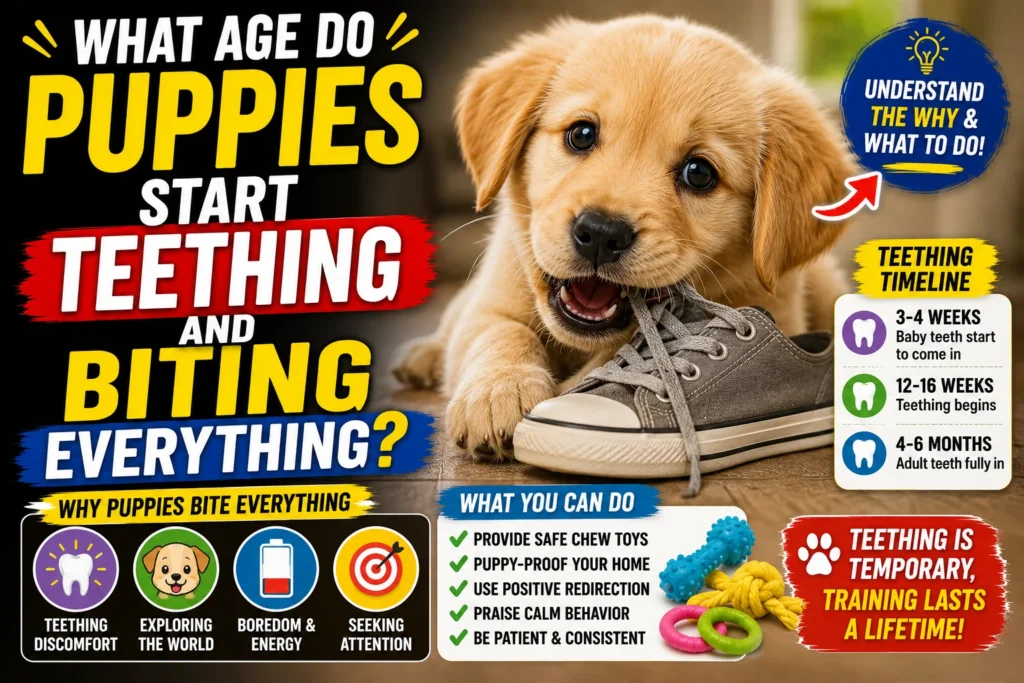
What Age Do Puppies Start Teething And Biting Everything? Welcoming a new puppy into your home can be a rewarding and joyous occasion, packed with cute cuddles and fun games that quickly escalate to – the chewing! If you find yourself suddenly on the wrong end of your little fluff’s tiny, pointy teeth and your sofa, fingers and shoes become their new target, you are likely just experiencing the wonderfully normal but frustrating teething stage. In fact, as both a veterinarian and dog-parent, I completely sympathize with feeling guilty when you are comforting your dog from this mild discomfort while all the while trying to salvage your home from these same furry little hands. This guide will break down exactly when your puppy starts teething and biting, why it happens, and how to manage it effectively .
What Age Do Puppies Start Teething And Biting Everything?
What is Puppy Teething?
Puppies aren’t born with any teeth, similar to their human counterparts. Their baby or deciduous teeth start coming in as few as weeks of birth. Teething is the process where these 28 tiny, razor-sharp baby teeth fall out to make way for a set of 42 permanent adult teeth . This process can cause sore, itchy gums, which leads to increased chewing as a way to relieve the discomfort .
The Puppy Teething Timeline
Here’s a breakdown of what to expect and when:
Stage 1: Baby Teeth (2 to 8 Weeks Old)
The teething process begins long before you bring your puppy home.
- 2-4 Weeks: The first baby teeth, typically the incisors (the small front teeth), start erupting through the gums .
- 5-8 Weeks: By this age, most puppies will have their full set of 28 baby teeth . This is also when the mother dog will start to wean them, as nursing becomes uncomfortable .
Stage 2: Losing Baby Teeth & Erupting Adult Teeth (12 to 24 Weeks Old)
This is the most challenging phase for pet owners. It’s when you’ll notice the most biting, chewing, and mouthiness.
- 12-16 Weeks: This is often when the teething discomfort really intensifies. The roots of the baby teeth begin to dissolve, and the adult teeth start to push up, causing your puppy to chew more frequently . You might even find tiny, rice-sized teeth around the house, though it’s normal for puppies to swallow them .
- 16-24 Weeks: This is considered the “peak” of teething, a time when your puppy’s gums are most sore . They will have a powerful urge to gnaw on anything they can find.
Stage 3: Final Adult Teeth (6 Months and Older)
By the time your puppy is about 6 to 7 months old, the teething process is usually complete. All 42 adult teeth should have erupted . The most intense biting behavior typically subsides now that the gum pain is gone.
Vet’s Note: In some puppies, particularly small breeds, some of the baby teeth may not have fallen out . This would give them a ‘double set’ of teeth. If you suspect this or notice the baby teeth are still present after the puppy is seven months old, make an appointment to see the vet as the remaining teeth can cause problems in later years .
Why Does My Puppy Bite Everything?
During the peak teething period, biting serves a few purposes. It’s not just about being a “bad” puppy; it’s a biological necessity.
- To Relieve Pain: Chewing provides counter-pressure that soothes sore, inflamed gums .
- To Explore: Puppies, like human babies, use their mouths to explore the world. Biting and mouthing is a way for them to learn about textures, tastes, and their environment .
- As Play Behavior: Biting is a normal part of dog play. Your puppy learned to play with their littermates through mouthing. They need to be taught that human skin is far more sensitive than another puppy’s fur .
Also Check: What Happens If a Cat Eats a Piece of Chocolate?
What You Can Do: Expert Tips to Survive the Teething Phase
It’s your responsibility to redirect this behavior towards an item they can sink their teeth into! Follow this guidance:
1. Stockpile Doctor Recommended Chews
Dogs have different chewing preferences (texture) so it’s wise to experiment with all the different types of chew toys before you find out what they actually enjoy. Here are our recommendations for safe chew toys for puppies:
Rubber Chew Toys: For very tough teething puppy, these types of toys such as KONGs will be long lasting and durable! You can stuff these with treats or xylitol-free peanut butter and freeze for extra comfort for the puppy’s gums.
Cold & Frozen Teething Toys: Cold is wonderful for a painful, inflamed mouth, and many puppy teething toys are chilled and frozen for added relief. For a low-cost alternative, try freezing a wet washcloth and offering to supervise play (e.g. Your puppy chewing the cloth with its body preventing it from going further).
Nylabone Type Chews: This is the kind of type of toy made for teething puppies and won’t break apart.
2. Train Bite Inhibition
Teach your puppy how to regulate pressure: –
- Yap & Pull Away: Give an excited yelp, a high-pitched “ouch!” and immediately stop the interaction. Put your arm back and give him about 10 to 20 seconds of ignoring attention. That’s how one of their littermates would teach it.
- Change Their Play Instead: Always have another toy on hand, when they go to play with your skin or clothes, guide them towards a toy. He will be sure to want to play with that new toy.
3. Provide Plenty of Exercise and Mental Stimulation
A tired pup is a happy, obedient pup. Make sure your dog gets enough physical stimulation (the exact amount depends on breed and age) and mental exercise in the form of play and training (and puzzle toys). Biting tends to get worse when the dog is tired or over-stimulated, so also make sure they have a peaceful space to snooze.
4. Avoid Punishment
Don’t physically punish or yell at a teething puppy – that won’t work anyway, can harm the trust between you two and might result in an fearful or aggressive pup. Use positive reinforcement methods like treats and praise to teach him where chewing is appropriate.
Key Takeaways
When will my puppy stop biting?
When chewing is happening : Teeth begin erupting at as early as 2-4 weeks (baby teeth) but biting behaviors can begin as early as 12-16 weeks.
When chewing ends : Your puppy’s 28 baby teeth will be replaced by 42 adult teeth typically by 6-7 months and biting behavior normally begins to diminish.
Why the chewing? Pain, play and exploring.
The Answer : redirected chew toys, sufficient naps and positive training are your way to a healthy bite free dog.
Frequently Asked Questions (FAQs)
At what age do puppies begin teething?
When their little first teeth emerge is how they begin the course of teething. Some puppies at the very young ages of two to three weeks already have their first teeth. The actual teeth and then teeth that cause chewing and mouthing occur from approximately 12 to 16 weeks.
When do puppies stop teething?
At seven months old, most puppies will be have had their full mouth of 42 adult teeth have completed and will no longer have an additional teething pain and will be done the entire course of being through teeth.
When do dogs quit biting?
By seven months you will have stopped the puppy phase of teething but your puppy still plays, and in all probability will continue to play by nibbling for quite some time unless trained otherwise out of such a habit! You also will have gone past the painful stages!
Do puppies swallow their baby teeth?
They will usually do it if it occurs when eating or playing that most usually it means they just swallow it down whole.
What do you mean by ‘ bite inhibition?
And why would your dog have it’ what does it do When bite inhibition is something you want to instill, use your dog to imitate another puppy. With the dog in mind and to teach that bite inhibitions are key, When they do something more severe you yell as much as possible that they have the pain to them and then stop the interaction for just a short time to cause him to lose contact with something they want his owner’s affection and attention!
Is ‘chewing’ the only sign my puppy is teething?
Teething may or equal no of: the puppy will lose it hair by drooling a good deal more, his gums can also turn red as well as the gums becoming puffy. His desire to feed difficult foods might start to fade and you could possibly end up getting blood stains.
What toys for a puppy going through teething?
Toys for your young puppies such with your veterinarian for their new teeth as Nylabone to go for the young puppies in addition in your stores to begin the acquisition of toys and treats for your puppy in question with toy ideas so as not to have problems at all!
My dog is now 8 months and all of the teeth chewing.?
When you have a puppy that is 8 months old, they should have done with any teething no problem. A behavior that continues to this age does not relate to teething so, they may be going through another issue that may be related to boredom, lack of exercise, a lack of something else, and many other things. Give him toys but you have got so much .
Can I offer my puppies ICE CUBES to chew in?
You can use a soft cloth or towel that you soaked in water, froze it as well, and use it for him to get pleasure chewing on; just be careful that he is not to energetic and choke up a ice cubes.