How to Care For a Pregnant Cat at Home?

How to Care for a Pregnant Cat at Home, Bringing a litter of kittens into the world is an exciting journey, but it can also be stressful if you are unsure what to expect. As both a veterinarian and a feline behavior specialist, I often tell owners: Queening (the term for a cat giving birth) is a natural process, but it is not without risks. Whether you are a seasoned breeder or have just discovered your rescued tabby is expecting, knowing how to care for a pregnant cat at home is critical for the survival of the mother (queen) and her litter. This guide provides a clinical yet practical roadmap to ensure a safe pregnancy, smooth delivery, and healthy neonates.
Stage 1: Confirming the Pregnancy (Days 0-30)
Before changing anything in your home, you need to confirm the pregnancy. Cats are “induced ovulators,” meaning pregnancy can be tricky to spot early.
Signs to look for:
- “Pinking up”: Around day 15-18, the nipples become rosier and more prominent.
- Morning sickness: Just like humans, some queens vomit occasionally in the first three weeks.
- Appetite changes: She may eat less or become picky.
Vet action: Do not attempt to palpate (feel for kittens) at home you could cause injury. A veterinary ultrasound at 25-30 days is the safest confirmation method.
Stage 2: Nutritional Demands Care For a Pregnant Cat at Home (Weeks 4-6)
The biggest mistake owners make is feeding a pregnant cat “kitten food” too early or too late.
When to switch: Move the queen to a high-quality commercial kitten formula (canned and dry) by week 4 of gestation. Kitten food is denser in protein, calcium, and calories.
Feeding protocol:
- Weeks 1-4: Maintain normal adult portions.
- Weeks 5-7: Increase intake by 25%.
- Weeks 8-9: Increase intake by 50%. She may need 4-5 small meals daily as the kittens crowd her stomach.
Critical warning: Never supplement calcium unless directed by a vet. Over-supplementation shuts down the mother’s natural ability to regulate calcium, leading to eclampsia (milk fever) after birth.
Stage 3: Creating the “Nest” (Weeks 6-8)
A pregnant cat’s instinct is to find a hidden, warm, quiet spot to give birth. You must provide this whelping box before she chooses your wardrobe.
The perfect birthing box:
- Size: Large enough for her to stretch out, with sides 6-8 inches high (to keep newborns in, but allow mom to jump out).
- Material: A large cardboard box or plastic storage bin works perfectly.
- Bedding: Puppy training pads (absorbent, disposable) covered with soft, clean towels. Avoid blankets with loose threads that can wrap around kitten limbs.
- Location: A low-traffic area, away from dogs, children, and loud noises. Temperature should be 70–75°F (21–24°C).
Acclimation: Place the box in her favorite quiet spot 10-14 days before the due date. Reward her with treats for going inside.
Stage 4: Health Monitoring & Red Flags
While you can handle most care at home, specific symptoms require immediate veterinary intervention.
Normal changes:
- Enlarged, firm mammary glands (week 7-8).
- Clear, odorless vaginal discharge (a day or two before labor).
- “Dropping” (abdomen looks less pear-shaped as kittens move into birth canal).
Emergency signs (Call vet immediately):
- Green/black vaginal discharge before contractions (indicates placental separation).
- Fever over 103°F (39.4°C).
- Heavy bleeding of bright red blood.
- Straining for 30+ minutes without producing a kitten.
- Cessation of eating for more than 24 hours.
Stage 5: Recognizing Active Labor
Unlike dogs, cats are notoriously secretive during labor. You might not witness the birth, which is fine. However, knowing the stages helps you know when to intervene.
- Stage 1 (6-24 hours): Restlessness, excessive grooming (especially vulva), refusal to eat, possible vomiting. She will purr loudly or hiss both are normal.
- Stage 2 (Delivery): Straining begins. Kittens are usually born every 30–60 minutes. The mother will break the amniotic sac, lick the kitten vigorously, and eat the placenta.
- Stage 3: Passing of remaining placentas (often between kittens).
Do not disturb unless she is exhausted or stops straining with a kitten halfway out.
Also Check: Can Dogs Eat Raw Eggs with Shells?
Immediate Post-Natal Care
Once the kittens arrive, your role shifts from “midwife” to “support staff.”
- Placenta count: The queen will usually eat the placentas (this is natural, though it may cause diarrhea). Count the placentas; if one is retained (signs: fever, foul discharge), call the vet.
- Colostrum: Ensure every kitten nurses within the first 2 hours. This first milk is packed with antibodies.
- Warmth: Newborns cannot regulate body heat. Keep the room at 75-80°F for the first week using a heat lamp positioned to allow mom to move away.
Long-Term Recovery & Weaning
- First 48 hours: The mother will rarely leave the box. Place food and water within 3 feet of the nest.
- Week 2-3: Mother continues to produce milk. Do not allow visitors; stress can cause mother to abandon or harm kittens.
- Week 4: Begin introducing kitten gruel (kitten formula mixed with wet food).
- Week 6-8: Kittens can be fully weaned. Mother can gradually return to adult food.
Crucial reminder: Cats can go into heat again 2 weeks after giving birth, even while nursing. Keep her strictly indoors and away from intact males. Schedule her spay once the kittens are fully weaned (usually 8 weeks).
Frequently Asked Questions (FAQs)
Can I touch newborn kittens?
Yes, but only briefly and only if necessary (e.g., checking for birth defects or ensuring they are nursing). Use washed hands. If the mother is feral or highly anxious, wait 48 hours. The myth that mothers will reject human-scented kittens is false for domestic cats, but stress can cause neglect.
How long are cats pregnant?
The average gestation is 63–65 days from the date of mating. A “safe” range is 61 to 70 days. Kittens born before day 58 rarely survive.
What if my cat is in labor for 24 hours?
This is called uterine inertia (lazy uterus). Call your vet immediately. If she has strong contractions for 60 minutes without producing a kitten, it is an emergency requiring a C-section.
Can I give my pregnant cat dewormer?
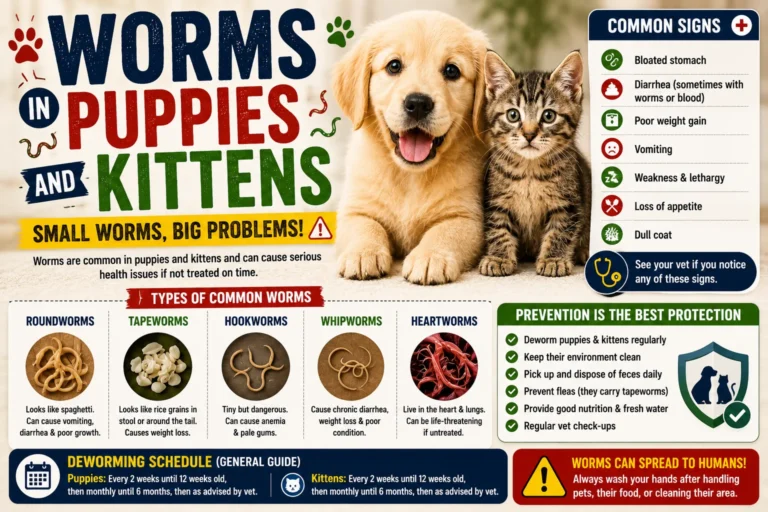
Yes, but only a vet-approved, pregnancy-safe dewormer (e.g., fenbendazole). Do NOT use over-the-counter brands containing organophosphates. Queens can pass roundworms to kittens through milk.
Why is my pregnant cat bleeding from the vulva?
A small amount of blood (dark red, scant) during labor is fine. Bright red, profuse bleeding (more than a tablespoon) or bleeding before week 7 indicates a miscarriage or placental abruption see a vet immediately.
When should I take a pregnant cat to the vet?
For a routine checkup at week 3 (ultrasound) and week 6 (X-ray to count skeletons and check fetal positioning). Also immediately if she shows signs of distress, fever, or green discharge.
How do I know if a kitten is stuck?
You will see the mother straining hard, crying in pain, and maybe 1-2 paws or the kitten’s head visible but not progressing for 15 minutes. This requires an emergency vet never pull on a kitten.
Can a pregnant cat jump?
Yes, until the last week. However, discourage high jumps (counters, cat trees) after week 6 to avoid trauma to the abdomen.
What should I feed a nursing mother cat?
Keep her on free-choice kitten food for the entire nursing period (8 weeks). Add a bowl of kitten formula (like KMR) as a supplement if she has a large litter (5+ kittens).
How many kittens are in a first litter?
First-time mothers average 3 to 5 kittens. Breeds like Siamese or Burmese may have more (6-8). An X-ray at day 55 is the only accurate way to count.
Final Professional Note
Caring for a pregnant cat at home is a privilege, but it is not without risk. Dystocia (difficult birth) occurs in about 5% of feline pregnancies. While most cats deliver without help, you must know your limits.
If at any point the mother refuses to eat for more than 12 hours, has a fever, or stops cleaning her kittens, do not “wait and see.” Call an emergency veterinarian. Your quick action is the difference between a happy ending and a tragedy.