Can Cats Drink Milk If It Is Lactose Free?
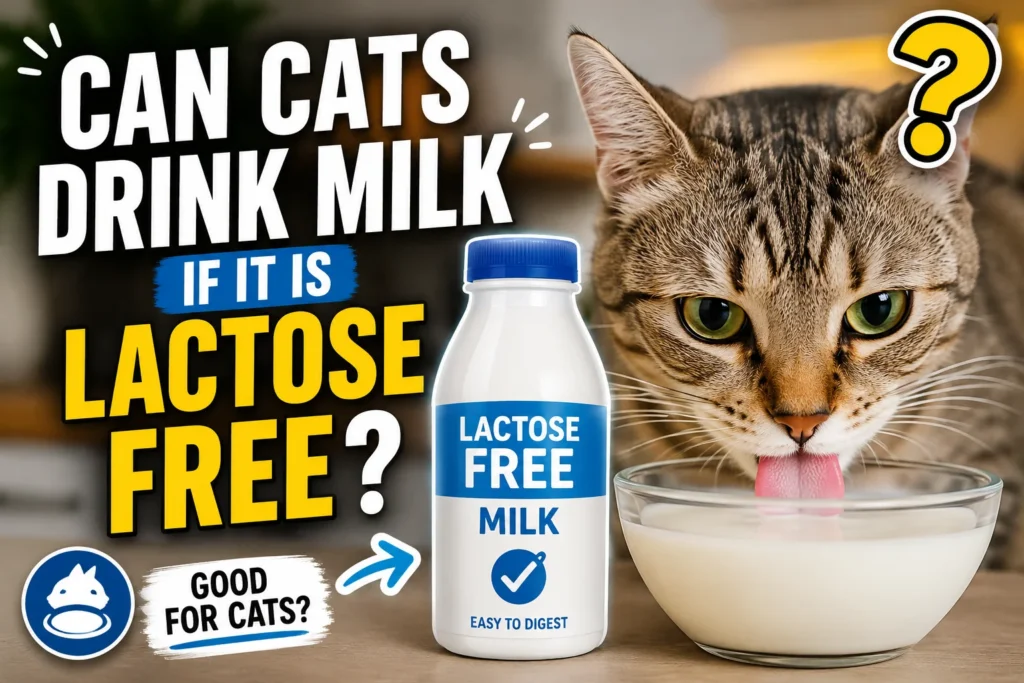
Can Cats Drink Milk If It Is Lactose Free?. One of the simplest pleasures in life, pouring a fresh box of cereal is a breakfast treat to be enjoyed and possibly share with your pet pal, who you may be able to entice with their large innocent eyes to be part of the creamy experience with a single slurp of their favorite foodstuff. But whilst a picture of happy kitten licking a bowl of milk is often seen as common practice within cartoon lore, you will probably already have been informed about the common caution regarding felines and this milky concoction.
The Biological Clock: Why Cats Lose Lactose Tolerance
Before we can dive into lactose-free milk for your feline friend, we have to first look into lactase.
As Kittens The enzyme lactase helps kittens digest milk. By producing an enzyme known as lactase, young cats are able to break down the sugar called lactose in their mothers’ milk.
Adult Cats Once kittens are weaned, their bodies naturally slow the production of lactase, since most adult cats should no longer be drinking milk. If an adult cat is to drink milk and is lactose intolerant, undigested lactose is left in the gut, fermented, and pull s extra fluid into the intestines, leading to an unfortunate bout of bloat and diarheoa a few hours after ingestion.
The Real Question: So Does “Lactose-Free” Do the Trick?
Technically, yeah. Lactose-free milk has already done the work for you, breaking down the lactose sugar with the same enzyme your kitty doesn’t have-lactase.
Give a kitty 100% lactose-free milk, and you won’t run the risk of “classic” lactose-intolerance diarrhea, but it doesn’t magically turn milk into a treat that’s good for her.
Why Lactose-Free Milk Still Isn’t Ideal for Cats
1. High Fat Content
Cats are obligate carnivores. This means that their systems have not been designed to process the large amounts of fat present in dairy products. While even nonfat or low fat milk has fat content that can induce a painful flare-up of pancreatitis or result in weight gain over time, whole milk is even worse.
2. Those Empty Calories
As a point of comparison, a tablespoon of lactose-free milk has just 8 to 10 calories. Your 10 pound feline companion only requires 200 to 250 calories on a daily basis. A few tablespoons of milk would likely leave your cat with a full tummy, no room for your perfectly healthy kitty food and eventually result in malnutrition.
3. Proteins In Milk
In Milk Some cats are not lactose sensitive but rather, they have a dairy allergy where the sensitivity is to the proteins not sugars in the dairy product. A dairy allergy in a cat typically entails a lot of itching and scratching, ear infections and sometimes vomiting. Since lactose-free milk still contain the protein, this allergy can be cause by something as simple as the milk you are giving your cat to lick up in addition to their food, if he has had any sort of itchy skin or an overgrowth of hairballs in the past.
Also Check: Why Is My Cats Stomach Bloated and Hard?
A Veterinarian’s Verdict: The Bottom Line
Can my cat drink lactose-free milk?
Yes, but only in extremely small quantities on a rare treat basis.
Why should my cat drink lactose-free milk?
They shouldn’t, it has no nutritional benefit for cats that water and their diet don’t provide.
In fact, water is the only liquid that cats need to drink. If you absolutely have to give your cat something to drink other than water, then lactose-free is preferable to nothing at all but inferior to water added to wet cat food.
The “Cat Milk” Myth: Store-Bought vs Homemade
You may see “Cat Milk” products at the pet store. These are usually ultra-filtered, lactose-free milk with added taurine. These are safer than human lactose-free milk because they have lower fat content.
However, even these specialty products should be treated like candy, not food.
5 Signs Can Cats Drink Milk If It Is Lactose Free?
Lactose-free milk symptoms in your cat Signs that your cat has lactose intolerance:
- Diarrhea
- Vomiting and nausea gas
- Bloat stomach
Distended Lethargy and weakness even if the package states it’s “lactose-free,” monitor for one or more of these within 24 hours of drinking.
If any symptoms appear, the cat could have a sensitivity or allergy to the milk’s protein or other ingredients in the milk, such as preservatives and carrageenan.
Healthier Alternatives to Lactose-Free Milk
If you want to offer your feline a liquid reward, opt for these veterinary recommended choices:
- Chicken water: This is the leftover water from a plain chicken boil.
- Bone broth: Low in salt and packed with collagen for a satisfyingly hydrating treat.
- Soup “Bisques” and “soups”: intended for cats are widely available.
- Goat milk: It’s naturally low in lactose, high in good probiotics, and relatively low in calories. Give in moderation, about 1 oz weekly.
Frequently Asked Questions (FAQs)
Is Lactose Free Milk Good for Kittens?
No. Kittens need the specialized nutrients found in mother cat’s milk or in kitten milk replacer. Lactose free milk doesn’t contain adequate amounts of the taurine or healthy fats that kittens require for their growth, and it is therefore inappropriate to feed to kittens under the age of 8 weeks.
What About Kidney Problems with Lactose Free Milk?
Dairy milk products tend to be high in phosphorus. Patients who suffer with kidney problems need to be placed on low phosphorus diets, which often means avoiding dairy and milk products entirely, since they all have the tendency to aggravate a failing kidney system. You should always check with your vet before feeding any milk based product to your cat.
My cat drinks normal milk and appears perfectly healthy, am I okay?
It’s possible that your cat has retained the enzyme lactase throughout their adulthood, but this still comes with risk due to the high levels of fat which could lead to weight gain and subsequently heart disease or diabetes. It’s even possible the risks could manifest over time even with normal health and no diarrhea.
What is the difference between “Lactose-Free” and “Lactose-Reduced” milk?
Lactose-free milk has been processed using the enzyme lactase and is the 99.9% free from lactose, whereas lactose-reduced milk still contains 30% of the lactose. Don’t even give cats a little lick of that reduced lactose stuff. It’s just gonna be an extra gassy day at home, and extra diarrhea for everyone to worry about.
What about almond or oat milk for cats?
Not these non-dairy concoctions. You shouldn’t feed a cat almond milk or oat milk because these products are just packed with oils, sugars, and thickeners that are actually poison for them and can lead to really gross vomiting and diarrhea with zero nutritional benefit to the carnivorous feline’s diet.
How much lactose-free milk can I safely feed my cat?
Safe for your average 10lb cat, a total of one tablespoon twice a week is the maximum you should give your kitty. Even so, the quantity should be no more than the “bottom of the glass” sip, as opposed to a whole bowl.
Will lactose-free milk relieve a cat that’s suffering from constipation?
No. Whilst a certain amount of milk may have a very slight laxative effect, it’s not a reliable treatment. The most appropriate methods for alleviating cat constipation are providing additional fluids and fibre supplements or getting your cat seen by a veterinarian immediately.
My cat Vomits straight after drinking lactose-free milk why?
This is not an indication of lactose intolerance, but a milk protein allergy or reaction to temperature, and you should cease use immediately.
Vomiting can be dehydrating and lead to serious electrolyte imbalances.
Is “whipped cream” a safe treat for cats?
No. The fact of the matter is that even with the absence of lactose, whipped cream is entirely composed of animal fat; cats are unable to easily metabolize that level of animal fat intake. Any intake can cause pancreatitis which is incredibly painful and potentially fatal for your cat.
What to do if your cat drinks a big bowl of lactose-free milk?
In the first 12 hours after your cat has consumed the lactose-free milk, keep a close eye on the feline to check for any indications of vomiting, sluggishness or diarrhea. If your cat is in good health and show no symptoms, you can refrain from feeding him or her anything from four to six hours and after that you can resume a regular diet.
Conclusion
Don’t worry, if Feline is eyeing that glass of your lactose-free dairy. The small lapful should not affect her. However, don’t try to feed your Feline “healthy “by pouring her a bowl full because you might cause a lot of problems including being overweight, getting pancreatitis or have her leave a really pungent waste.