
Beyond the Cone of Shame The Best Alternatives for Dogs Who Hate Plastic Collars 2026
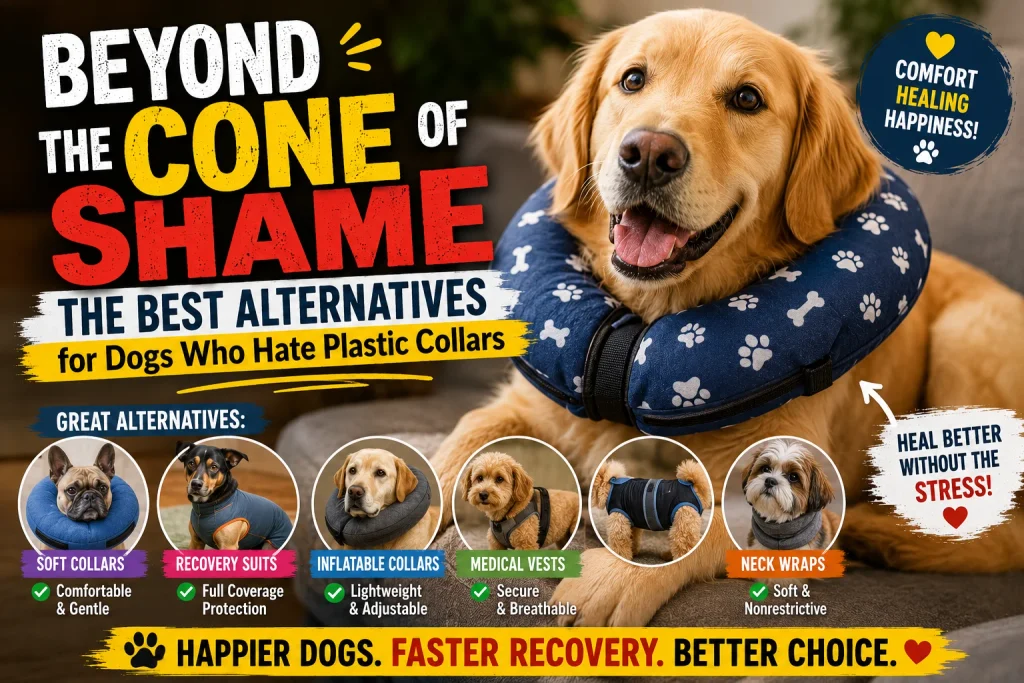
Cone As a veterinarian, I’ve witnessed firsthand more than a fair share of pets and their parents vexed by the ubiquitous plastic “cone of shame”or the Elizabethan collar, as it’s formally known. There’s no denying that a sturdy plastic cone is highly successful at preventing dogs from gnawing at, picking at, and irritating any wounds or stitches-licking is natural for dogs, and it carries bacteria can cause infections, and can keep the wound bed too moist, ultimately hindering healing. However, the positives typically stop there.
A study out of the University of Sydney School of Veterinary Medicine in 2020 revealed that more than 77 percent of pet owners felt their dog experienced an inferior quality of life when using a typical plastic cone.
That comes as no shock to any of us in veterinary practice we’ve seen pets lose their appetite, refuse to drink water, pace restlessly, become withdrawn, panic, or become utterly immobilized. Fortunately, there are plenty of non confining and much more comfortable options. Let’s take a look at some of the best alternatives to a plastic “e collar” for dogs who simply can’t stand it. (This guide is shared from both a veterinarian and fellow pet parent’s viewpoint.)
Why the Plastic Cone is So Hated
To identify the best alternative solutions, it’s important to first determine exactly why the plastic cone is such a problematic addition to a dog’s recovery period. Not only is the plastic cone uncomfortable, for the most part it also creates massive stress for their dogs. They restrict peripheral vision resulting in banging into doors, walls, furniture etc, and many times are the main reasons that their dogs became distressed or even injured in the first place!
Many dogs become deafened by the sound made by a plastic cone against door frames, furniture etc. and many dogs become lethargic or extremely depressed when unable to eat and drink naturally or get adequate and comfortable rest during their recovery.
As the dogs mental state is so imperative to his/her rapid recovery we thought it would be interesting to highlight other viable alternatives to the traditional e-collar or as it may now be referred to, as a plasticcone of doom!
The Best Cone Alternatives: A Detailed Review
Don’t let the Cone of Shame ruin your pup’s life there are better options for most cases! Which alternative to go with your is dependent on size, personality, injury, what the treatment needs are for.
1. Soft Fabric Cones (The Flexible Shield)
Soft cones are the ideal direct swap for plastic cones. They have the same cone shape for the lampshade but the material is soft, padded and flexible fabric which feels much more comfortable for your dog. Being sound absorbing, they make a far less shocking or irritating noise when Fido inevitably bumps into something.
Pros
Comfort The material being soft should cause less skin irritation around the neck and Dogs can often sleep properly when wearing it.
More Secure than other collars Often come with very strong Velcro and clip fastenings, some of which loop through your own dog’s own collar which gives the cone and collar additional protection when it attempts to jump off.
Durable Usually good quality to start with and can also withstand daily washes.
Cons
Still Blocks some vision much like plastic cones peripheral vision is often obstructed.
Not for chewing, persistent pets An anxious dog may simply chew the edge off and gain access to wound.
Messy eating may require cone removal for mealtimes, the rim can catch any stray food and get a bit gross.
Overall: Generally a great choice for dogs who have no intention to chew the edge off (determined pets can sometimes succeed to wear away the material) who finds plastic cones distressing. A definite step up in both the dog’s well-being.
2. Inflatable Collars (The Comfort Donut)
These collars resemble a travel pillow, and are great for protecting injuries and for providing an unobstructed view to the dog. Your dog will be able to eat, drink, and sleep through without removing this collar that simply serves as a physical obstruction preventing your dog from turning their head to get to the problem area.
Pros:
Unobstructed Vision & Mobility: This doesn’t block the vision for your dog so a less disoriented and stressed dog will result. Also serves as a pillow.
Comfortable: Soft and yielding fabric.
Cons:
Useless if the wound is below the neck: The most important issue for these type of collars is that they do not support or restrain a dog from bending their neck forward, thus they pose no support and offer no solution to a wound lower down on the legs (feet included) or on the hindquarters. One user of this collar with a Malamute found it to be “useless” against a hind quarter wound.
Can be punctured: Stubborn dogs may be able to bite and ‘pop’ it like a balloon.
May leak air: Users have reported that the inflatable pillows would be completely deflated by morning’s end.
Verdict: Best used for head, neck, and upper torso injuries, and are perfect for a dog’s that become disoriented and upset when their vision is blocked-do not consider one if an injury is in the lower body area of your canine companion.
3. Surgical Recovery Suits (The Bodysuit)
Surgical Recovery Suits-Body Wounds
When it comes to your dog’s wounds, specifically body wounds, surgical recovery suits are worth considering, particularly after abdominal surgery like a spay . These suits essentially act like dog onesies, fitting over their body in a soft and stretchy fashion and guarding all areas with stitches.
Pros:
– Full freedom: gives them complete freedom of movement and keeps a bulky cone away.
– Excellent coverage: a surgical recovery suit can provide a full-body barrier on the torso, protecting stitches on the chest, back, and belly.
– Helps reduce anxiety: a fitting suit can be quite comforting, a lot like a dog anxiety wrap, since it’s tight but still gives them freedom.
– Very practical: Most recovery suits have accessible areas for them to potty without having to be fully removed, however a bit of work may be needed.
Cons:
– Potty breaks are a challenge. You’ll probably have to un-snip and then re-snip them on a consistent basis and some dogs don’t cooperate easily.
– Size is key! Some dogs’ surgery recovery suits won’t fit perfectly which can leave belly stitches uncovered or make them wear on your dog’s stitches and pull them apart, which one mom saw happened to her dog while the suit pulled so hard it exposed his sutures.
– Your dog might still lick at the stitches on their body. Some dogs can get accustomed to not being able to lick a stitch if the suit is worn sufficiently; others still manage to lick their wound through the suit. If the stitching is easily accessed the stitches may get chewed through too.
Overall – this type is the best of alternative to cover body wounds that don’t include the legs. If your dog cannot wear something on their head at all for any reason, then a surgical recovery suit is recommended for maximum protection of their chest and abdomen.
4. Neck Collars/Wraps
The neck wrap or brace is a slimmer, higher variation that limits the dog’s capacity to turn its head to reach its own body. It doesn’t stick out in front as much as a cone, obstructing vision or bumping into objects. Benefits: Unobstructed Vision Dogs can see where they’re going, which is easier on them.
Soft and Adaptable This flexible plastic and foam collar is more comfortable, and isn’t going to get stuck everywhere you do.
Limitations: Less forgiving You need a proper fit to wear the brace. Looseness can allow the dog access to the wound while too tightness can be torture. Might still allow some licking Licking capability still depends on your dog’s flexibility and the wound’s position. Verdict: Neck collars are perfect for skittish dogs that are easily intimidated by the cone, offering peace without the “face prison” effect shield” effect.
5. The Homemade DIY Option A Temporary Solution
You Can DIY a Recovery device When all else fails, you could fashion a recovery device out of pool noodles. Wrap the pool noodle around your dog’s existing collar in the same way an inflatable donut type barrier is often fitted for them. It is a inexpensive and sometimes successful way to manage.
This type is effective at blocking your dog but this DIY version is not at all secure… be careful.
If your dog manages to work or to chew through this, they have easy access. Crucial Veterinary advice – as stated, there is no guarantee that a DIY device will actually work and the potential for injury if it doesn’t work is immense for your dog. Best to only use it as an emergency backup device while supervising your dog closely or a few days at most.
How to Choose the Right Alternative
How do you know what option is right? Here’s a short guide.
Where is the wound?
Head, Neck,or upper Torso-Soft cones, inflatable collars, or neck collars may work well.
Stomach,Chest,or back- The surgical recovery suit is likely the best alternative for overall safety and comfort. An inflatable collar might also work depending on the surgery, such as a spay/neuter.
Front andhind legs/paws- This type is a real challenge. An inflatable collar may not really work on a leg. The longest soft cone possible, or a traditional hard plastic cone on the dogs head, is the easiest way to prevent chewing and licking. A neck wrap may even work if it doesn’t allow the dog to bend their head, but usually doesn’t for this job.
What is your dog’s disposition?
Fearful dogs- Inflatable collars, recovery suits and neck collars tend to be less visually overwhelming, which is usually preferable for nervous pups, and doesn’t obstruct their view like other types might.
Determined dogs- For tenacious breeds, or ones that try to rip everything off that they don’t like, a short, well-fitting soft cone that attaches directly to a collar may be just right. A hard cone may also be suitable as this can be harder to get to stick, but still risks more injury if dogs are not careful.
Laid back dogs- Really any of these alternatives should work. You could consider comfort of the cone vs your dog. So an inflatable cone or soft cone, or a recovery suit could be the best option depending on if your dog tolerates a suit being on, or would enjoy the relaxed nature.
Size Matters. A Great Deal Actually.
Regardless of whatever other features in a cone alternative you’re looking at, never overlook or skimp on size. Your dog’s surgical recovery should be comfortable, not torture. Always size your dog correctly for any device that you purchase
Our Top 5 Cone Alternatives
The alternatives to plastic cones, determined by vet opinion, user review, and their effectiveness, are outlined below:
| Alternative | Best For | Key Benefit | Watch Out For |
|---|---|---|---|
| 1. Soft Fabric Cones | Dogs who find the plastic cone stressful but need full-body protection. | Much more comfortable and quieter than plastic . | Can still block vision; may need removal for meals . |
| 2. Inflatable Collars | Protecting wounds on the head, neck, and upper body. | Unobstructed vision, comfortable pillow for sleeping . | Ineffective for paw and leg injuries; can be popped . |
| 3. Recovery Suits | Protecting torso wounds (abdominal, chest, back). | Complete freedom of movement; very comfortable . | Requires access for bathroom breaks; must be a snug fit . |
| 4. Neck Collars/Wraps | For dogs who are easily scared or stressed by large cones. | Unobstructed vision; won’t get caught on things . | Requires precise fit; may not work for all injuries. |
| 5. DIY Homemade | A temporary, short-term solution in an emergency. | Cheap and can be made with items at home . | Not reliable for long-term use; high risk of failure. |
Final Verdict from the Vet
The most crucial concern for your dog and for us (veterinarians) after surgery is that your dog does not lick at his wound and recovers safely and efficiently. While the plastic cone is unparalleled when it comes to a dog’s ability to NOT lick at their wounds, we also do care about mental/emotional health. A miserable, depressed dog is not a dog that recovers quickly.
Please discuss other options with your veterinarian if your dog is suffering from a plastic cone.
Most veterinarians can prescribe or fit you with one. A recovery surgical suit can be my go-to for spays. However, for other injuries, soft cones or inflatable collars may be a good option to consider.
For More : Feathers and Fear What to Do If Your Cockatiel Bleeds from a Broken Blood Feather 2026
Frequently Asked Questions (FAQs)
Can my dog sleep in a soft cone or inflatable collar?
Yes, both are designed for comfort and are perfectly suitable for sleeping. In fact, many dogs find the inflatable collar to be a comfortable pillow . Soft cones are also much more comfortable for sleeping than hard plastic ones because they are padded and flexible .
Will an inflatable collar stop my dog from licking his paws?
No, generally it will not. An inflatable collar prevents your dog from bending their neck, but a determined dog can still reach their paws and lower legs . A soft cone is a much better choice for paw injuries.
Can my dog eat and drink with a surgical recovery suit on?
Yes, a recovery suit does not interfere with a dog’s head or neck, allowing them to eat, drink, and move completely normally .
Are these alternatives safe for dogs who chew and scratch at them?
It depends on the dog. A determined chewer may damage a soft cone or pop an inflatable collar . A surgical recovery suit is generally safe but a dog might still attempt to lick or chew through the material . Securing the device to a well-fitted collar can help prevent removal .
Can I use a dog onesie instead of a cone after neutering?
Yes, a surgical recovery suit is an excellent option after neutering and spaying. The onesie style suit covers the abdomen securely, preventing licking of the incision without any head or neck restriction. This is often a favorite among dogs and owners alike .
Can I use these for cats or small breed dogs?
Yes, but choose size-appropriate products. For brachycephalic (flat faced) breeds like Pugs or Bulldogs, consult your vet first, as neck devices can impair breathing.
How do I measure my dog properly for these alternatives?
Measure neck circumference for collars and nose to neck length for cones. For recovery suits, measure neck, chest girth, and back length. Always consult the brand’s size chart size up if between measurements.
What if my dog escapes from their cone alternative?
Use models with collar-loops for extra security. For recovery suits, fasten all snaps tightly. If your dog is an escape artist, use a crate during unsupervised time and gradually acclimate them to the device with positive reinforcement.
Do I remove it during walks or playtime?
Keep recovery suits on during walks but use a harness, not a collar. For cones and inflatables, supervise play and remove only if you maintain constant, direct supervision even a moment of licking can infect the wound.
How do I clean these devices?
Recovery suits are machine washable buy two to rotate. Soft cones have removable, washable covers. Inflatable collars should be wiped with mild soap and a damp cloth never submerge. Check daily for trapped moisture or debris to prevent skin irritation.
1.
2.
3.
4.
5.
Here are the 5 additional FAQs in a short, concise format:



2 Comments