Is Your Feathered Friend Feeling the Chill?
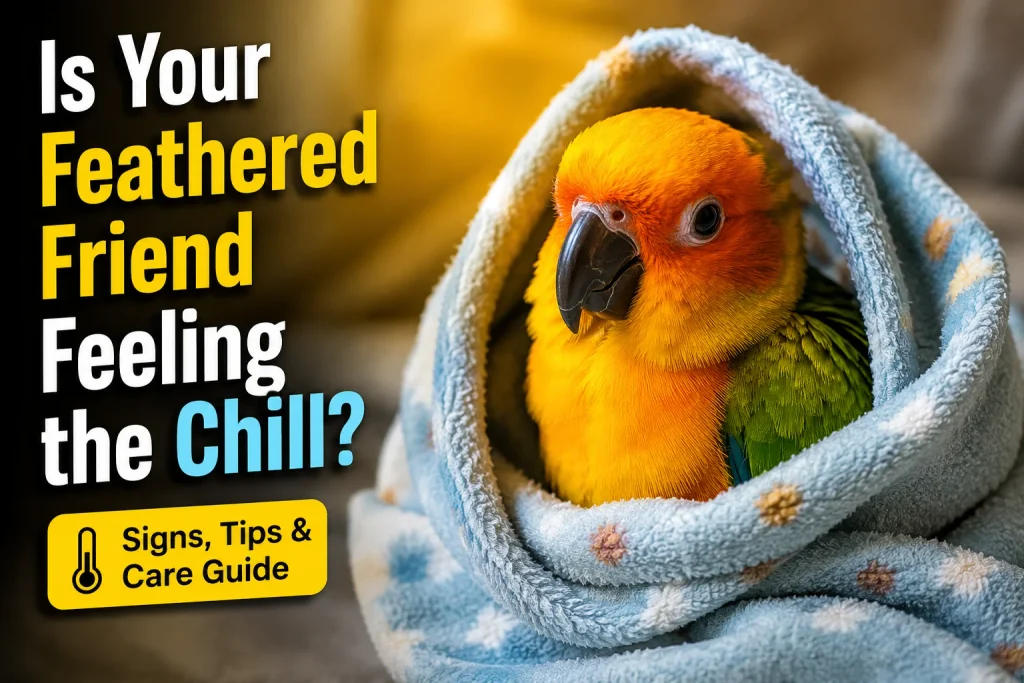
Is Your Feathered Friend Feeling the Chill?
By the time the frosty winds have begun, we’ve donned warm jumpers and cranked the thermostat to the maximum. But what about the pet bird perched in its cage? Our sensitive avian friends (most have native origins in tropical and subtropical climates), are utterly dependent on us to provide a snug and safe environment. They can neither migrate south like outdoor birds, nor burrow down into a warm hole.
The signs, both subtle and overt, that your pet bird is too cold, need your careful attention. Hypothermia and diseases resulting from cold can quickly take hold in birds because they have highly active metabolic rates and efficient lungs that quickly dissipate heat. Familiarising yourself with the symptoms of the cold in your bird is the first defence to ensure that all members of your household, feathered and not, have a safe and warm season.
Is Your Feathered Friend Feeling the Chill?
Here are ten essential signs that your bird is too cold. Let these be a helpful checklist to make sure that your bird is happy and healthy.
1. Fluffed Up Feathers
This is the birds most apparent defense mechanism to combat the cold. By puffing up their feathers they can trap an insulating pocket of warm air next to their bodies giving them a form of birdie-jacket. Whilst birds puff up temporarily when resting or while cleaning, prolonged puffing and fluffed out postures coupled with any of the below are signs of distress when trying to stay warm.
2. Crouching and Burying the Beak
This is also the behavior to look for if you see a bird getting cold. A cold bird will squat very low on its perch, lower its head, and hide the beak under the chest or back feathers, keeping the bare beak and feet – two of the biggest places where a bird can lose body heat safe from the chilly air.
3. Shivering
Much like us, birds shiver to build heat and get their body temperature up. This is where their muscles spasm very quickly on their own to make their internal body temperature go up, almost like turning a natural, high-powered oven on within their body. If your bird is shivering, this means that your bird is already extremely cold and in distress and will require assistance right away.
4. Lethargy and Decreased Activity
Normally chirpy and playfull bird might suddenly fall quite and inactive. This suggests they are trying to sleep or rest, in a bid to safe energy – which is used in keeping warm.
5. Loss of Appetite
When a bird is cold it ‘s prioritizes keep it’s body warm and not digest. You would observe it may appear to have little desire for feed, or to be off feed entirely! This is a serious risk as they must have the metabolic “furnace” that is the feed, that in turn generates heat! A cold bird off feed is at extreme risk.
6. Perching on Both Feet
Birds sometimes bring one leg up into their feathers and leave it there to save it from the cold. But when it starts to get really cold, they will always stand on both legs with themselves hunched close to their perch. This is to let their feathers cover both legs and conserve heat from their naked skin.
7. Heavy or Labored Breathing
When cold weather impacts a bird it can cause severe distress. Birds’ respiratory system, like those of all birds, is very delicate. Heavy panting or apparent difficulty breathing could be a symptom that your bird has cold stress and might be at risk for or already suffering from a respiratory infection, which in some instances you can hear as clicking or wheezing.
8. Reluctance to Fly
Flying uses a tremendous amount of energy which produces warmth. Any bird experiencing the cold will be careful to conserve energy, and therefore, they will refrain from flight whenever possible. If your bird typically spends its day flying around the room, but is now sitting still on her perch, that is a good clue she’s not feeling warm.
9. Sitting at the Bottom of the Cage
While the species can do fine with foraging on the cage bottom,a bird is perched on the bottom of its cage can be symptomatic of great stress and/or cold. The bird is trying to find available heat or simply doesn’t have the energy to grip onto a perch.
10. Respiratory Distress
In extreme cases, cold stress can result in symptoms such as: Coughing Sneezing nasal discharge. It is important to emphasize that birds do not develop “colds” the way that people can do these are signs that a serious infectious respiratory disease is present and should receive immediate veterinary care.
Also Check: Why is My Cat’s Stool Covered in a Clear Slimy Casing?
What to Do If Your Bird is Cold
- If you notice any of these things going on, do not delay. Act immediately and provide warm surroundings for your bird:
- Move their cage to a warmer room: Move their cage away from all doors and windows where a draft may be present and to a warmer, sunnier (during the day) or brighter spot that is heated at night.
- Cover their cage at night: Drape a blanket or towel on three sides of the cage each night in order to trap more heat, however, be certain that enough ventilation can still escape from under the drape.
- Provide a heat source: A reliable and safe ceramic heat emitter or a space heater positioned far enough away from the cage to not overheat the bird will help gently warm the room. A short-term fix is to microwave (30 seconds) uncooked rice, which can be heated, to add it to a sock or wrap it in a towel to be placed in the cage.
- Give your bird warm food: offer a small dish of warm food such as hot, mushy (bird-friendly) foods and/or cooked (bird-friendly) cereals.
The Important Caveat: When It’s Not Just the Cold
It’s extremely important to know that several of these symptoms (fluffed feathers, lethargy, decreased appetite) could easily be signs of a sick bird . Birds are prey species and typically try to hide their illness until they are in a lot of trouble. If your bird displays these symptoms, illness MUST be ruled out.
If warming the bird up doesn’t resolve them immediately, or if your bird appears in extreme distress (difficulty breathing, etc), see your avian veterinarian right away!
A sick bird should be treated as a veterinary emergency.
Frequently Asked Questions (FAQs)
What temperature is too cold for my pet bird?
Most pet birds thrive in temperatures between 65°F and 80°F (18°C – 27°C). While some can tolerate brief drops, prolonged exposure to temperatures below 60°F (15°C) is generally considered risky and stressful for many species, especially small birds .
Is it normal for a bird to puff up its feathers?
Briefly puffing up while stretching or preening is normal. However, continuously sitting with severely fluffed feathers, especially when combined with other signs like lethargy or a tucked head, is a major sign of cold stress or illness .
My bird is shivering but acting normal. Should I be worried?
Shivering is a to feeling cold and is not a sign of being “comfortable.” It indicates your bird is actively trying to generate heat and the environment is likely too cold for it .
Can a bird get a “cold” from being in a draft?
Yes and no. Birds don’t get the human cold virus, but cold drafts can significantly weaken their immune system, making them highly susceptible to bacterial or viral respiratory infections. This is often referred to as a “cold” by owners but requires veterinary treatment .
My bird sleeps more in winter. Is this normal?
It’s normal for them to rest a bit more to conserve energy. However, if they are sleeping excessively, are unresponsive, or show other signs of illness, it is a cause for concern .
Why does my bird tuck its head in its feathers?
This is a way to conserve body heat by reducing heat loss from the bare skin around their beak and eyes. It is a common sign of feeling cold .
What’s the safest way to heat my bird’s room?
A safe ceramic heat emitter or an oil-filled radiator space heater is best. Avoid heaters with exposed heating elements or Teflon coatings, which can release toxic fumes. Always place heaters at a safe distance from the cage.
What if my bird is at the bottom of the cage and not moving?
This is a sign of severe distress and is considered a medical emergency. Immediately try to gently warm the bird and contact your avian veterinarian without delay .
Do birds shiver?
Yes, shivering is a natural physiological response in birds to generate heat. It is a sign they are cold and their metabolic rate is increasing to warm their body .
How can I tell if my bird is cold or just sick?
This is the most difficult and important question. The signs are often identical. The best approach is to check their environment. If the room is warm (over 70°F) and free of drafts, the symptoms are likely due to illness, not cold, and you need to see a vet. If the room is cold, warm your bird and see if the symptoms resolve. If they don’t, it’s time to call the vet.