Can Cats Eat Cooked Rabbit Meat 2026?
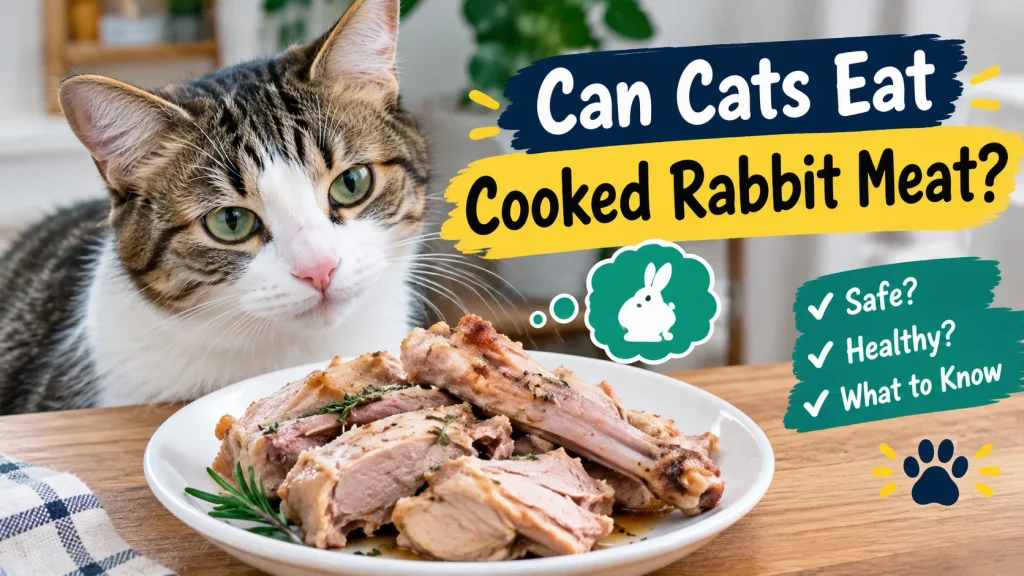
Brink of the Bite: Can Cats Eat Cooked Rabbit Meat?. Quick Summary: Yes, rabbits are safe for cats to consume occasionally in small, fully cooked, unseasoned, boneless portions. Rabbit is a lean, protein-rich meat that is suitable for a feline diet as long as it is prepared to an appropriate internal temperature, is served plain (no seasoning, flavoring, or oil), and constitutes no more than 10% of your cat’s daily caloric intake.
As obligate carnivores, cats require animal-source protein. Rabbit can be a nutritious treat source for cats-if you can handle them. Read on to learn how to safely serve rabbit meat to your feline friend.
The Nutritional Profile of Rabbit Meat for Cats
Cats are obligate carnivores, which means they require nutrients that are found almost solely in animal flesh. The nutritional composition of rabbit meat makes it an excellent choice for meeting that need. Rabbit meat is a rich source of complete protein, which includes all the essential amino acids needed for muscle maintenance, tissue repair, and energy and it is relatively low in fat compared to many other types of meat a real bonus for cats who are prone to weight gain or pancreatitis.
One big advantage of rabbit meat, especially in veterinary dermatology, is that it’s often used as a novel protein.
If a cat suffers from food allergies or intolerance, the veterinarian will typically conduct a food elimination trial using a diet based on a single, novel protein source. Cooked rabbit that has been prepared without any oils or flavorings is a popular, approved treat source during these diets.
Critical Safety Rules for Can Cats Eat Cooked Rabbit Meat?
Cook Rabbit to 160°F (71°C) Minimum
Raw rabbit meat is dangerous for cats and people. Ring-necked and jackrabbits are infected with the Francisella tularensis bacteria that causes tularemia a potentially fatal disease in both wild animals and humans. Veterinary cases of cats have shown severe symptoms after consuming wild rabbits including fever, loss of appetite, diarrhea and an enlarged liver.
The USDA and Food Safety.gov recommend cooking rabbit meat to 160F(71C) to eliminate harmful pathogens. Some authorities advise 165F(74C) for wild game to provide a safety margin. Never give your cat raw rabbit meat as this is too risky for bacterial or parasite contamination.
Avoid Bones, Seasoning, and Added Fats
- Bones: You should be careful, as bones that have been cooked can easily splinter. They pose a significant danger because they can obstruct the esophagus, cause the cat to choke or puncture the stomach or intestines. All bones need to be taken out before you give rabbit to your feline friend.
- Seasoning: Ingredients like onions and garlic are highly toxic to cats and lead to a blood condition that is known as Heinz body anemia. Additionally, other spices as well as pepper and salt could irritate the stomach. Keep in mind that rabbit meat ought to be plain.
- Fats and Oils: Fat trimmings or added oils might lead to pancreatitis. Pancreatitis is described as an extremely inflammatory and painful condition. When you cook rabbit, don’t include added fat.
Keep It to 10% of Daily Calories
That’s treat, including healthy stuff like rabbit meat, shouldn’t be more than 10% of your kitty’s daily caloric intake. The rest of the diet should be fed through a complete and balanced commercial food, or as recommended by your veterinarian, a homemade diet.
How to Prepare Rabbit Meat for Your Cat
- Choose quality meat: Buy from a reputable source or store. Wild rabbit meat is safe to eat if prepared properly.
- Debone meat: Check carefully for bones before and after cooking.
- Cook well: Ensure a meat thermometer reads 160F (71C). Boiling, baking and poaching are all good options.
- Allow to cool: Never offer your cat hot food.
- Cut into small chunks: Reduce choking hazards by offering food in smaller pieces.
- Stash leftovers: Keep in an airtight container in the fridge for 3-4 days or freeze for extended storage.
Also Check: How to Measure Resting Respiratory Rate in a Dog with Heart Failure 2026?
Potential Risks and When to Avoid Rabbit
Things to Consider Before Giving Cooked Rabbit to Your Cat While it’s safe to use cooked rabbit for treats, there are certain situations where it may not be safe or appropriate:
- Food allergies: A vegetarian diet for your cat that is limited-ingredient or novel proteins may need to avoid rabbit without the right guidance from your veterinarian or feline nutritionist.
- Pancreatitis history: Since rabbit is a lean meat, it may still pose some digestive issues for sensitive cats. Introduce it gradually as a treat.
- Weakened immune system: Cats with weakened immune systems need to be especially careful with new foods and many one-off treats. Cook it well!
Frequently Asked Questions (FAQs)
Can cats eat raw rabbit meat?
No. Raw rabbit can carry dangerous bacteria and parasites, including Francisella tularensis, which causes tularemia. Cats exposed to wild rabbits have developed serious illness requiring veterinary treatment . Always cook rabbit thoroughly before feeding it to your cat.
Is rabbit meat a common allergen for cats?
Rabbit is actually considered a novel protein, meaning it is less likely to trigger allergic reactions in cats that have never eaten it before. This is why veterinarians often use rabbit-based elimination diets for cats with suspected food allergies.
How much cooked rabbit can I give my cat?
Rabbit should be treated as a treat, not a meal replacement. Limit it to no more than 10% of your cat’s daily caloric intake. For most adult cats, that’s just a small piece or two per day.
Can I feed my cat rabbit bones?
No. Cooked bones are brittle and can splinter, causing choking or internal injuries . Raw bones also pose risks. Always remove all bones before feeding rabbit to your cat.
What internal temperature should rabbit be cooked to for cats?
Cook rabbit to a minimum internal temperature of 160°F (71°C) . Some experts recommend 165°F (74°C) for wild game to provide an extra margin of safety.
Can kittens eat cooked rabbit meat?
Kittens have different nutritional needs than adult cats and require a diet specifically formulated for growth. While a tiny piece of plain cooked rabbit is unlikely to cause harm, it should not replace their regular kitten food. Consult your veterinarian before offering any human food to a kitten.
Is rabbit meat good for cats with kidney disease?
Rabbit is lean and high in protein, but cats with kidney disease often require restricted phosphorus and protein levels. Do not feed rabbit to a cat with kidney disease without veterinary approval, as it may not fit their prescribed dietary plan.
Can cats eat rabbit meat from the grocery store?
Yes, as long as it is plain, unseasoned, and fully cooked. Avoid any rabbit products that contain marinades, sauces, or added ingredients. Check labels carefully some rabbit products may contain onion or garlic powder, both of which are toxic to cats.
What should I do if my cat eats seasoned rabbit?
If your cat consumes rabbit meat seasoned with onion or garlic, contact your veterinarian or a pet poison control hotline immediately. These ingredients can cause oxidative damage to red blood cells and lead to anemia . Signs of toxicity may include weakness, pale gums, and dark urine.
Can I feed my cat rabbit every day?
Rabbit can be offered daily as a small treat, provided it stays within the 10% treat allowance . However, variety in treats is generally better to prevent the development of food sensitivities. Rotate between different safe proteins like cooked chicken, turkey, or beef.
Conclusion
Cooked rabbit meat can be a safe, delicious, and healthy special treat for just about any feline. In addition to being lean and packed with high-quality protein, most cats readily accept it, even when they are sensitive to other foods. Just make sure to cook at 160F, remove any bones, avoid seasonings, and serve in moderation.