Foods To Help Dogs Recover Faster
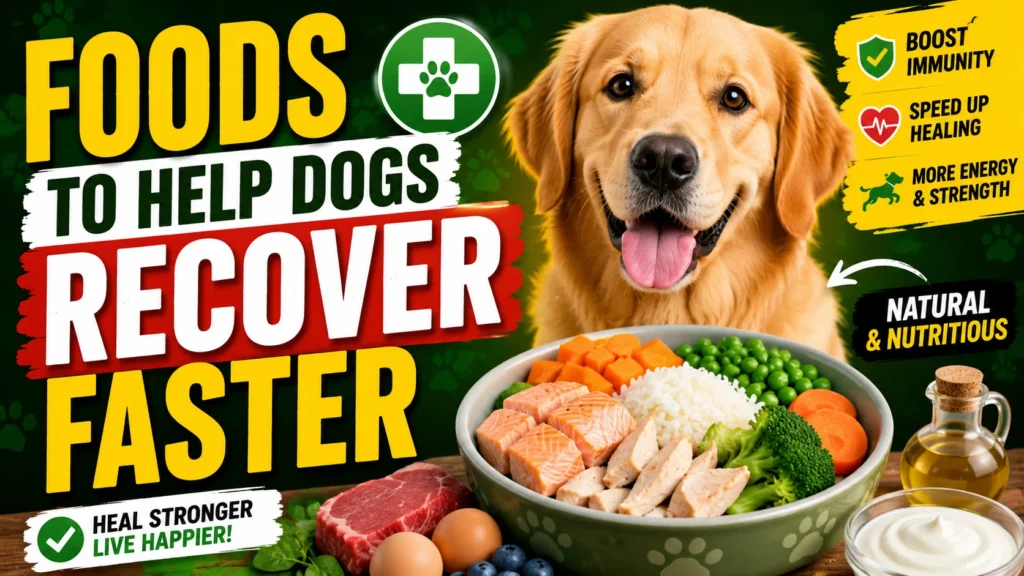
Foods To Help Dogs Recover Faster. If your dog is recuperating from a surgical procedure, sickness or an accident, giving your dog nutrition is the perfect antidote. The appropriate foods will not only complement veterinary care and prescribed medications but can boost his recovery time to significantly. In my role as a veterinary practitioner, I’ve witnessed what this therapy can do. Take a peek at some beneficial nutrition tips your recuperating dog would appreciate.
Foods To Help Dogs Recover Faster
Why Nutrition Matters During Recovery?
Recovery requires significant effort of your dog’s body. The immune system is working overtime to get rid of illness, tissues need materials to be rebuilt, and digestion can use a helping hand. Science shows that food impacts a dog’s behavior, digestion, and health. When your dog is recovering, it matters more than ever. Dogs are frequently off their appetite during times of recovery, so the problem becomes to provide enough nutrients when your dog is not feeling like eating at all.
Key Nutritional Principles for Recovery
Highly Digestible Protein
Protein offers amino acids which assist with repair, rebuild muscles and immune help. An awesome, readily digestible type of protein protein can do real help to those pet animals experiencing sensitivities, for example chicken, turkey, and white fish.
Energy Density
Recovering dogs need concentrated energy. Veterinary recovery diets like Hill’s Prescription Diet a/d and Royal Canin Recovery are clinically formulated to be energy-dense and rich in calories, providing daily energy requirements in smaller feeding volumes . This is especially valuable when your dog has a poor appetite.
Digestibility
When the digestive system is stressed, easily absorbed nutrients are crucial. Semi-elemental diets contain hydrolyzed macronutrients that are rapidly absorbed, minimizing the work the digestive tract must do . High digestibility with protein digestibility reaching 87% and fat digestibility 97% limits the workload on the GI tract .
Immune Support
Antioxidant and micronutrient support, including vitamin E, vitamin C, zinc, and taurine, can fight against oxidative stress when your dog is in recovery . They help give your dog’s body what it needs during a vulnerable time.
Top Healing Foods for Dogs
1. Pumpkin
Pumpkin is a true superfood for digestive recovery. Rich in fiber and vitamins A, C, and E, it helps with both diarrhea and constipation. For mild gastrointestinal upset, adding pumpkin puree to the diet can work wonders . It contains seven grams of soluble fiber per cup and helps coat and soothe the GI tract when irritated .
2. Bone Broth
Bone broth offers quick nutrition to aid your recovery. This nourishing broth contains protein, calcium, phosphorus, amino acids, collagen and gelatin to help the lining of your GI tract maintain health and lower swelling. Studies have indicated that gelatin and the amino acids in bone broth will help you and the lining of the digestive tract health.
3. Chicken and White Rice
The classic bland diet for dogs recovering from stomach upset consists of lean chicken and easily digestible white rice. Long-grain white rice is gentler on the stomach than brown rice because the extra fiber in brown rice can make digestion more difficult . The ratio should be about 2 parts cooked white rice to 1 part cooked, skinless chicken by volume .
4. Sweet Potatoes
It is very rich in dietary fibre, Vitamin C, Iron and a lot of other nutritional anti-oxidizing constituents. They are nutritious and easy to digest if just boiled without salt and other spices.
5. Lean Proteins
High quality protein in turkey, lean ground beef, and fish to promote healing of tissue. If your dog can’t have chicken, try turkey or fish as substitutes. You can add a tiny bit of cod liver oil for more vitamins and nutrients.
6. Turmeric
Because turmeric contains curcumin which acts as an antioxidant, as well as has anti-inflammatory benefits, it has been suggested that turmeric powder might have benefits for inflammation of the joints, skin and GI tract.
7. Flaxseeds
Packed with fiber, an excellent natural source, as well as heart, brain, joint, and eye friendly omega 3 fatty acids. Provides energy, improves circulation, and supports overall wellbeing .
8. Oats
Beta-glucan (the immune-booster fibre found in oats) helps the immune system to protect against bacteria, viruses, fungi and parasites. Oat bran provides you with a simple way of introducing beneficial fibre into your dog’s diet.
9. Carrots
Full of vitamins and insoluble fiber, carrots make a great natural chew and support healthy skin, coat, and vision .
10. Blueberries
These are packed with antioxidants and vitamins, supporting vision and mental function—especially beneficial for senior dogs recovering from illness .
Also Check: Why Is My Senior Dog Not Eating?
When to Choose Veterinary Prescription Diets
Sometimes homemade diets aren’t enough. Veterinary prescription diets are scientifically formulated for specific recovery needs:
Hill’s Prescription Diet a/d Urgent Care provides clinically proven nutrition for dogs recovering from surgery, illness, or injury. It’s energy-dense, exceptionally palatable, and supports immune function .
Royal Canin Recovery is designed for re-feeding after anorexic periods, malnutrition, post-surgery, and convalescence. It offers high energy density and high protein content in a soft mousse that’s easy to eat .
EmerAid Intensive Care Canine is a semi-elemental diet for critically ill dogs. It’s designed for rapid absorption and can stop or dramatically reduce diarrhea while providing high energy density .
Virbac VETERINARY HPM Digestive Support shows 86% of dogs improve within one week, with 87% protein digestibility and 97% fat digestibility .
A Remedy in the Kitchen: Chicken & Oat Soup
Here’s a gentle, nourishing recipe for dogs recovering from mild illness or digestive upset:
Ingredients:
- 2 cups water, unsalted chicken broth 1 cup prepared cooked skinless, boneless, unseasoned chicken breast * ½ cup rolled oats
- ½ cup carrots, peeled and finely grated
Instructions:
- Gently boil the water or the un salted chicken broth. Add the rolled oats, shredded carrots . Pour and cook the for about 10 minutes, until the rolled oats get tender. Pour and add the shredded chicken ,cook another 5 to 10 minutes.
- Cool completely before serving.
This stew provides lean protein, digestible carbohydrates, and gentle fiber perfect for pups with sensitive stomachs .
Important Guidelines for Feeding During Recovery
- Start small: Begin with 25-30% of daily energy requirements and gradually increase .
- Feed small, frequent meals: Smaller portions are often better tolerated than large meals.
- Avoid harmful additions: Never add onions, garlic, salt, or seasonings to recovery food .
- Gradually transition: When changing diets, transition over 7-10 days to avoid digestive upset .
- Fresh water always: Ensure fresh water is always available .
- Monitor for 48 hours: If symptoms persist beyond 48 hours, consult your veterinarian .
Recognizing When to See Your Vet
Certain conditions may require medical intervention in addition to dietary support: 2 or more episodes of vomiting and diarrhea over 24 hours or longer. Any instance of no appetite for 24 hours or more. Any evidence of pain or suffering
- Listlessness or weakness
- Signs of dehydration (dry gums, sunken eyes)
Frequently Asked Questions (FAQs)
Can I feed my dog chicken and rice long-term?
No, chicken and rice is a good short term bland diet, but not nutritionally complete and could lead to nutritional deficiencies long term. Only use short-term until your dog’s symptoms resolve.
How much bone broth should I give my recovering dog?
For the recovering dog bone broth can be offered as a meal topper or a light meal for those with a poor appetite. For a small dog, offer 2-4 tablespoons. For medium sized dogs, ½ cup, and for large breed dogs ½ to 1 cup per meal. Be sure bone broth does not contain onion or garlic.
Is canned pumpkin safe for dogs with diarrhea?
Yes, unsweetened 100 percent pure pumpkin (not pumpkin pie filling) can be given for both diarrhea or constipation in your dog. It is bland on the stomach and replenishes any electrolyte losses your dog may have experienced.
Can dogs eat cottage cheese or yogurt?
Both diets require a veterinary prescription and are specifically designed for dogs that are not eating properly. Hill’s a/d is very high in energy and fat, and also high in protein, which is good for critically ill patients that require intensive care. Royal Can in Recovery is used for re-feeding dogs that are not eating and also after surgery or trauma.
Can I add turmeric to my dog’s recovery food?
Adding a small amount of turmeric powder (1/4 teaspoon for small breeds, ½ teaspoon for medium sized breeds, and 1 teaspoon for large breeds) to the recovery diet will help to decrease inflammation. If you have never given your dog turmeric, begin by giving it very slowly and watching your dog’s digestion.
How long should my dog be on a bland diet?
As soon as 48 hours have gone by if your dog is feeling better, and is eating normally and not having GI symptoms they should be able to be switched back to their regular diet. If their symptoms continue after 48 hours, they should remain on the bland diet until further advised by your vet. 8.
Can I feed my dog yogurt during recovery?
Yes, Plain (no sugar or artificial sweeteners) yogurt (especially goat milk) has beneficial probiotics that can help support the GI tract. It is best to offer it slowly to see if your dog has a tolerance to the dairy products.
Are sweet potatoes good for my recovering dog?
Sweet potatoes are a wonderful food source and contain lots of vitamins and nutrients including: vitamins A and C, iron, and dietary fiber. Only feed fully cooked and mashed, without adding salt or any other seasoning.
What should I do if my dog refuses to eat recovery food?
Your veterinarian may suggest some methods to encourage him/her to eat. Hand-feeding him, warming the food slightly to help the aromas become more noticeable, feeding in a very quiet location, or even adding a small amount of low-sodium broth to the recovery food can work. If your dog does not eat anything after 24 hours, you will need to seek immediate veterinary care.
Final Thoughts
One of the most valuable gifts you can give your dog during his recovery as a pet parent is the right nutrition. Whether it is prescription diets by the veterinarian or homemade foods crafted with love and caution, the intent is the same: offer your pet foods with adequate nutrient, ease of digestibility to speed up healing without burdening him. Always keep your veterinary well-informed on his nutrition, as each dog responds differently to varying foods. With proper nutrition, lots of patience and love, your pet will soon be the happy and energetic dog he was.