
How to Check Your Dog for Ticks After a Forest Hike?
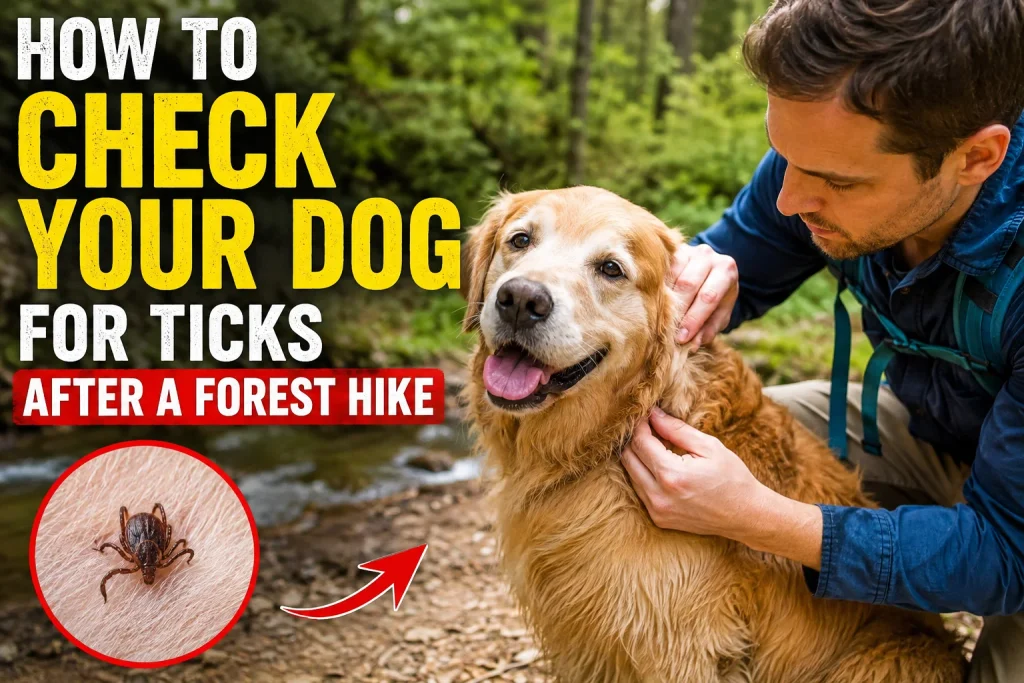
How to Check Your Dog for Ticks After a Forest Hike?
The special bond that can be formed between a dog and his person is undeniable-especially when it’s honored on the winding trails of a vibrant woodland. The sounds, the smells, the exertion-it is pure bliss to any pup. What you might not realize, however, is the silent risk that could make its way home from the woods with your dog and follow him for years to come-ticks.
Tiny, blood-sucking parasites like these carry life-threatening viruses and parasites that have the potential to cause lasting harm to your pet.
As your veterinarian, it is my firm belief that a meticulously executed tick-check following any excursion is your best weapon for fighting off tick-borne illness. This step-by-step guide offers you everything you need to know to perform a comprehensive tick-check.
Why a Post-Hike Tick Check is Non-Negotiable
Where Ticks Live They typically hitch a ride in habitats they favor-including long grass, woods, and brushy fields, all favorites of us and our canine companions on the trails . Ticks quest by climbing up to the very tops of vegetation, outstretching their legs to cling to the first passing host. Best Best Practice Though you should use a year-round flea and tick prevention for your pet, it’s not guaranteed to repel all ticks forever.
Ticks can still find a way on your dog and bite your dog before the prevention even works-and the disease could have already spread.
In addition, some ticks don’t respond to certain types of prevention . A manual, hand check of your dog after each hike is your best back-up to prevent Lyme disease.
The High-Risk Zones: Where Ticks Love to Hide
Ticks like dark, warm, moist places where they can hide and bite. You can’t just look your dog over visually you need to have an active examination. Here’s a run down of the most common tick hiding places: Ear You should check the inside and outside of the flaps of the ear, also called the pinna.
Face and Eye lids The ‘gunk’ in your dog’s eyes might actually be a tick if you aren’t careful.
Collar This is a classic hidden tick hiding spot, make sure to remove the collar to give him a thorough examination. Feet and Paws Check between the toes and also around the pads of the feet. Under-Arms, or Axillae. The dark, warm creases under front legs. Groin, or Inguinal The warm area between the back legs.
Tail Check his whole tail, paying extra attention to the underside and the base.
Behind the Tail Under the base of the tail.
Also Check: How to Spot the Silent Signs of Heat Stroke in Outdoor Cats 2026
A Step-by-Step Guide: How to Check Your Dog for Ticks After a Forest Hike?
This is a two-fold process; you must feel then see.
1. Getting prepared
Get some good lighting, it helps. A small flashlight is key. Your hands are your most effective tool when flea-combing, make sure they are wiped down. Often times it is easiest on a flat surface while your dog is being held or laid down relaxed.
2. The Feel test
With a flat hand, groom your dog from the entire body. Gently groom the fur against the direction it grows and feel the skin. You’re feeling for little, firm bumps that weren’t there.
The tick can feel like a small skin tag, an enlarged mole or even like a miniature bead.
A flea-comb can be a great tool as well; it allows you to push apart the fur so you can reach deep in their coat and search those deeper lying ticks.
3. The Sight test
When you feel any new, hard bumps, part the fur back and have a look. Tick sizes can rage from a dot the size of a poppy-seed (nymph stage) up to as large as a lentil or a bean (engorged adults). Colour will be tan, brown or black. Look very close as you will most of the time be able to see the little tick’s legs against the skin.
Pro tip: Daily groomings will allow you to learn more about what “normal” feels like on your dog. Understanding where all the other skin tags and moles are, you will be able to pick up a new lesion quickly and efficiently.
What to Do If You Find a Tick
While it’s startling, discovering a tick on you isn’t usually an emergency just be sure to promptly take the correct precautions and remove it in the proper manner.
What NOT to Do
Disregard any folk remedies you’ve encountered. Never use a hot match, clear nail polish, petroleum jelly, or any of the other proposed “suffocating” agents for the tick. Not only is this attempt pointless, but it can stress the tick and cause it to regurgitate its stomach contents into your dog’s bloodstream, thereby putting your dog at an increased risk of transmission of disease.
How to Safely Remove a Tick
- Get ready. Slip on disposable gloves. Now, gather either fine-tipped tweezers or a commercial tick removal tool (e.g., tick removal spoon, tick removal forceps or a tick twister).
- Grasp.
- Working as close to your dog’s skin as possible, grasp the tick with your tool. With tweezers, use your fine tipped tweezers to grab the tick by the head and not its body. Pull. Using an even, steady pressure pull straight out.
- Avoid twisting or jerking the tick because doing so can cause it to detach, leaving the tick’s mouth parts inside the skin.
- Clean your dog’s bite area with mild soap and water or rub alcohol. Throw the tick or save your tick. To kill the tick, place it in a jar with rubbing alcohol and label it with the date.
- You may decide to keep it for your veterinarian to examine if your dog shows signs of illness later on .
Tick-Borne Diseases: What to Watch For
Tick-borne diseases are very common, serious health problems in dogs. Among the more frequent are Lyme disease, Ehrlichiosis, Anaplasmosis and Rocky Mountain spotted fever. As few as several weeks to months may pass between the tick bite and signs of illness.
Many of the signs of tick-borne illness mimic other conditions, so you might not suspect that your pet is suffering from a tick exposure until it’s fairly advanced.
Look for signs such as:
- Fever
- Lethargy or depression
- Lameness, stiff joints or swelling of the joints
- Loss of appetite
- Vomiting or diarrhea
- Pale gums
- Unexplained bruising or bleeding from the nose
- Swollen lymph glands
Should your dog develop any of the above conditions over the next couple of weeks to a month…s following a hike and a tick bite, contact your veterinarian immediately.
Frequently Asked Questions (FAQs)
1. How soon after a hike should I check my dog for ticks?
Ideally, you should perform a tick check immediately upon returning home. The sooner a tick is found and removed, the less time it has to transmit diseases .
2. Can I just bathe my dog to remove ticks?
No. While a bath can help dislodge crawling ticks that haven’t attached yet, it will not remove or kill ticks that have already latched onto the skin . A manual check is essential.
3. My dog is on a flea and tick preventive. Do I still need to check them?
Yes, absolutely. No preventive is 100% effective. A tick can still bite your dog and transmit a disease before it dies from the medication .
4. What if I can’t remove the tick’s head?
If a small piece of the tick’s mouthparts breaks off and remains in the skin, it’s usually best to leave it alone. The dog’s body will often expel it naturally. Aggressively digging at the area can cause a worse infection. Clean the area and monitor it for signs of swelling or infection .
5. Can I get Lyme disease from my dog?
No, you cannot contract Lyme disease directly from your dog. However, a tick that is on your dog could drop off and bite you. This is another important reason to check your dog before they roam throughout your house .
6. What if I find a tick that is already big and engorged?
This means the tick has been attached and feeding for several days. The risk of disease transmission is higher, so be extra vigilant. Remove it carefully and monitor your dog closely for symptoms. Consider a vet visit for advice and potentially testing.
7. Is it okay to use my fingers to remove a tick?
Using your fingers is not recommended because you are more likely to squeeze the tick’s body, injecting its fluids into your dog. It’s also difficult to get a good enough grip to remove the entire tick without breaking it. Always use tweezers or a tick-removal tool .
8. Are some dog breeds more at risk of getting ticks?
While all dogs are susceptible, dogs with long or thick coats provide more hiding places for ticks, making them harder to find . Hunting dogs or those that frequently roam in brushy areas are also at a higher risk of exposure.
9. What time of year should I be most worried about ticks?
Ticks are most active during warm, humid months, typically spring, summer, and fall. However, in many regions, they can be active year-round, so a check after any outdoor adventure is always a good practice .
10. Should I take my dog to the vet to get tested for tick diseases after a bite?
Not necessarily after every single tick bite. However, you should consult your vet if you find an engorged tick, if you had difficulty removing it, or if your dog develops any of the symptoms listed above. Your vet may recommend a blood test several weeks after the bite, as it takes time for the disease to be detectable .