Why is My Cat Poop Watery and Foul Smelling?
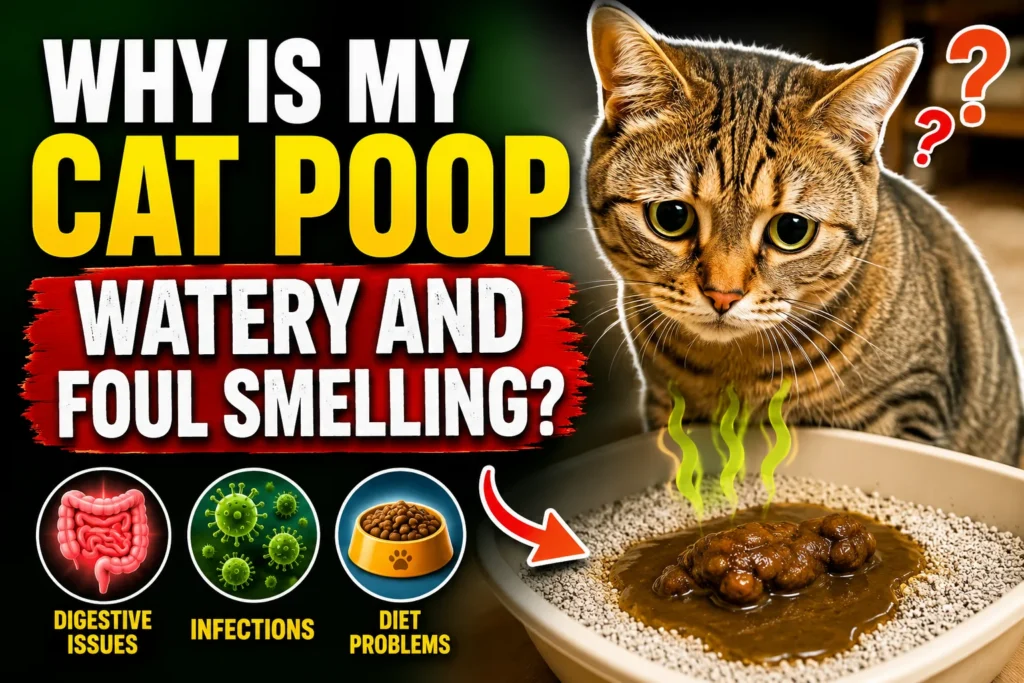
Why is My Cat Poop Watery and Foul Smelling? If you’re the proud owner of a kitty, you may find yourself worried when you discover a watery, stinking mess that has appeared in their litter box. Though nobody loves scooping out poop, a messy, waterier consistency is a definite sign that something isn’t right with your cat’s tummy. This particular combination of signs can indicate a variety of issues that requires further investigation.
What is Considered Normal Cat Poop?
The best way to know something is not normal is to know what is normal for your cat. A healthy cat normally deposits log-shaped, well-formed feces which are brown and have an odor that is mild to relatively unobtrusive, by not, let’s say, so offensive you have to leave the room. Diarrhea is stool that is looser than normal it may be very loose or water, have increased frequency or increased amount especially coupled with the stink of very bad odor-indicates either malfunction or some infection processes is at play.
Top Causes of Why is My Cat Poop Watery and Foul Smelling?
But most often the appearance of bad smell arises due to the violation of normal functioning of the digestive system. Below you can see the main cause the emergence of typical signs
1. Dietary Indiscretion and Food Intolerances
Usually the 1 culprit. This may arise from a change in diet, ingestion of anything that they “should not have,” e.g., the trash can or some unfortunate mouse, or perhaps they have a food allergy. Food itself can be smelly, and also poor absorption/malabsorption where the fat and nutrients aren’t digested which is a way for the rancid smell to be passed along.
2. Intestinal Parasites
There is no shortage of intestinal parasites that can lead to chronic smelly diarrhea. Maybe the most infamous parasite is called Giardia, a parasite that is so small you have to scope to see it, but can also cause some nasty water and foul diarrhea. There is a similar parasite called Tritrichomonas blagburni, a huge parasite responsible for chronic diarrhea that has to come from your cat’s large intestine in young cats, particularly if you are raising multiple kitties or they came from a cattery of any size. Their owners say it smells terribly, it’s a big deal, has mucus, or blood.
3. Bacterial or Viral Infections
Infectious enteritis occurs when specific types of bacteria like Salmonella or E. Coli, infect the gut. The bacteria inflames the lining of your intestine causing gas and horrible smelling, really foul, diarrhea which is all down to what the waste products of the bacteria do inside of you.
4. Other Medical Conditions
Some less-common conditions can be behind these signs of trouble: Although it’s less frequent, other medical conditions may lead to this type of foul odor:
Pancreatic or liver conditions: These two organs play an essential role in digestion. Should either be ill, your body may experience a mal digestion process that will turn out in very stinky feces. Inflammatory bowel diseases: this chronic illness affects intestinal organs which means an adequate digestion process is not performed.
Also Check: Signs of Fading Puppy Syndrome in the First Week
The Red Flags: When to Call the Vet Immediately
The occasional soft stool may fix itself naturally. But since that particular combination of watery, strong-smelling diarrhea is commonly the sign of an infection or parasite, that’s one reason the problem should virtually always be checked out by your vet. Bring your dog in if they are also exhibiting any of these symptoms:
- Diarrhea that lasts more than 24-48 hours .
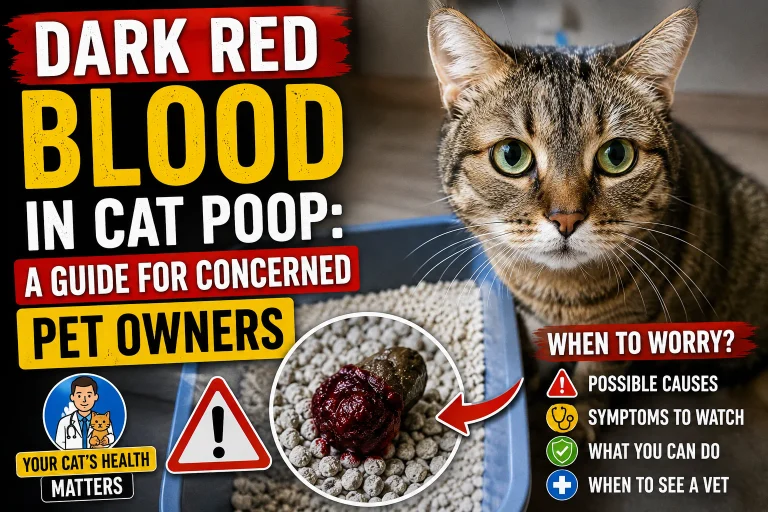
- The presence of blood or mucus in the stool .
- Lethargy, vomiting, or a loss of appetite in your cat .
- Signs of dehydration, such as a dry mouth or decreased skin elasticity .
- Weight loss or a bloated appearance .
- The cat is a kitten or senior, as they are more vulnerable to dehydration .
How a Vet Will Diagnose the Problem
Your vet is first going to be trying to diagnose the cause of the disease as the more common diseases are the ones to take first step out. They will likely perform:
- Fecal Testing: A microscopic examination of the stool to check for parasites like Giardia or Tritrichomonas .
- Blood Work: To check for indicators of infection, organ problems (such as pancreas or liver issues), or if your cat simply isn’t up to snuff overall.
- Diet History: We’ll have a long chat with you about what your cat’s recently been eating, from his kibble to his recent hunt for that lizard.
Treatment and Management at Home
Never attempt to self-medicate your cat. The treatment depends entirely on the cause. After a veterinary diagnosis, the approach might include:
- Dietary Changes: A switch to a highly digestible, “bland” diet or a novel protein diet to rule out food sensitivities .
- Medication: It might be an antibiotic for a bacterial cause of infection or some specific anti protozoal agent that targets a protozoal, such as the Tritricho monas . You might need to use supportive therapy medication as well.
- Antibiotics: May be prescribed if the underlying cause is a bacterial infection.
- Probiotics: They help repopulate your gut with natural healthy bacteria.
Frequently Asked Questions (FAQs)
Why Does My Cat’s Diarrhea Smell So Bad Compared To Their Regular poop?
This usually occurs when there’s an overgrowth of bacteria or a specific infection. The bacteria interact with the food differently, leading to greater amounts of stinky gases, and undigested fats can also cause the diarrhea to have a rancid odor.
What if My Cat Has Diarrhea But Acts Normally? Should I Take Them To The Vet?
Yes. Some cats don’t exhibit signs other than foul-smelling and chronic diarrhea even when they eat and act normal. While isolated incidents of loose stools might be observed from a home, if your cat has continuous diarrhea that seems foul, it’s important to take them to a veterinarian to determine whether they have an infection or other parasitic cause.
Can a Change in My Cat’s diet cause this problem?
Yes, for sure. This is a highly prevalent cause of intestinal upset. When the cat’s system is presented with new kinds of food, and can negatively alter the natural balance of their gut’s natural bacteria causing foul-smelling diarrhea in a cat. Nevertheless, it is crucial to check with your vet to ensure there are no major underlying causes.
How Can you Distinguish between Diarrhea from food and diarrhea from parasites?
Diarrhea from food consumption is typically for a brief time and lacks presence of blood or mucus parasitic organisms like Tritri chomonas or giardia often result in prolonged periods of diarrhea that contain a foul-smell; however, their appetite or demeanor may otherwise seem healthy.. The only valid way to ensure that your pet isn’t suffering from anything serious is for a veterinarian to examine them.
What exactly is trichomonis in cats?
This is single-celled parasitic disease that impacts the large intestines and gives rise to diarrhea that is chronically foul-smelling. This particular type of diarrhea sometimes produces blood or mucus. This illness frequently occurs in younger cats housed with multiple companions but it doesn’t pass over to humans and can be treated only by a veterinarian.
Can I transmit diarrhea to my cats or transmit parasites, for instance, can i get the disease from my cat?
Though some infections, bacteria as well as parasites, can be passed onto humans from animals, there are a few examples of particular kinds of symptoms and infections which, while spread from animal to animal, don’t transmit to humans like tritrichomonis. Although it can be readily transferred amongst feline, so always be sure to properly sanitize the litter-box as well as other surroundings as it can readily spread from other animals to the sick cat.
What type of tests are done on my cats stools to identify parasites like Tritrichomonas?
A veterinary clinic will run a fecal test to examine under a microsope for the organism which causes infection and is motile in the poop. A sample should be relatively recent for the test to work accurately. A PCR and special fecal culture may also be carried out to accurately identify infections as it can be challenging to get a positive results from a single fecal test.
What is it about my kitten that puts them at risk of these types of problems?
Yes. Their bodies are immature and not as resistant, which renders them vulnerable to various parasitic infections including Tritrichomonas and Giardia. In many cases, they can succumb to dehydration as an effect of their severe diarrhea, thus making a vet visit extremely necessary for kittens.
Can my cat safely be treated for diarrhea from their bed with store bought remedies?
No, over-the-counter medications or anything made for human use are highly toxic to cats so should be avoided at all cost. Even products in your vet’s store that claim to cure feline diarrhea or to support probiotics may not suffice when the infection involves an underlying pathogen such as a parasite and an examination by vet is mandatory .
What should I expect at the vet for this issue?
The vet will ask detailed questions about your cat’s diet and history. They will likely perform a physical exam, a fecal test to check for parasites, and potentially bloodwork . Based on the results, they will recommend a treatment plan, which may include a special diet, medication, or probiotics.