
How to Encourage a Cat With Kidney Issues to Drink Water Naturally 2026
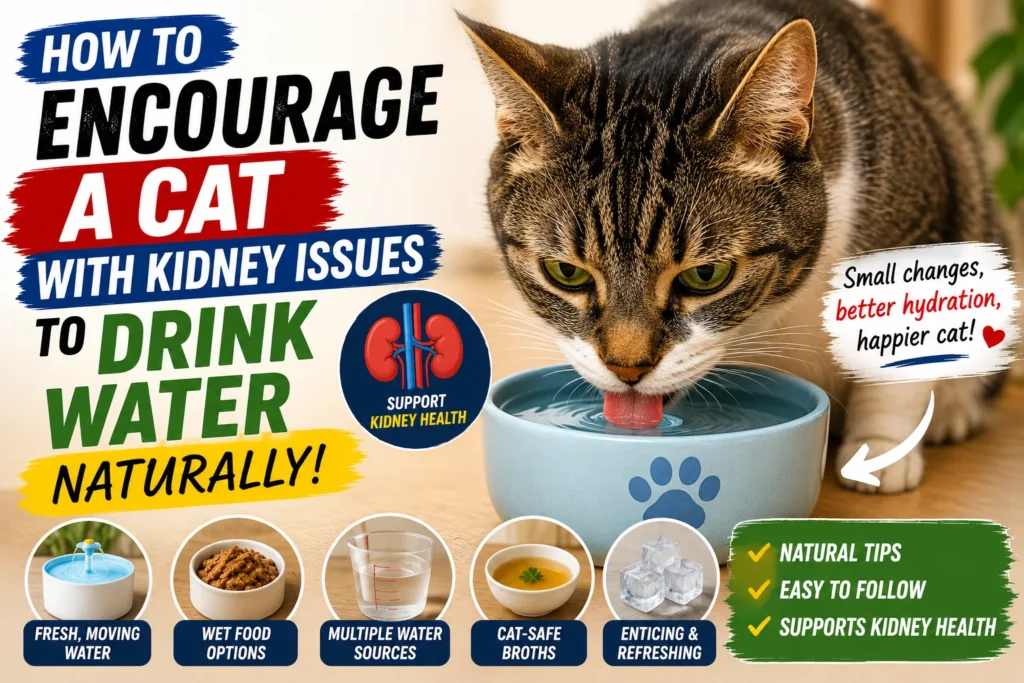
How to Encourage a Cat With Kidney Issues to Drink Water Naturally One of the most frequent and sorrowful questions a vet gets from cat owners diagnosed with chronic kidney disease is “How do I get my cat to drink more water?”. It’s one of the most fundamental challenges and one of the most important things you can do in managing your cat’s illness and helping her live a longer, more comfortable life.
Unfortunately for cats with kidney disease, kidney function is essentially a one way street; however, encouraging your cat to drink more is about the single most powerful therapeutic measure you can take to slow down the progression of their disease. With dehydrated kidney failure cats, every dehydrated system puts extra work onto the diseased kidneys causing even further stress and problems. Here’s a vet endorsed, holistic approach to getting your cat to up her fluid intake:
Why Hydration is Critical for Cats with Kidney Disease
To get the ‘why’, first explain that healthy kidney function allows our cats to filter waste products and make their urine concentrated, which saves the body water. This means that a kidney patient cat is losing concentrating ability, producing more and more dilute urine which means the body is losing more and more water, the cat’s ‘water’ losses through urine will only increase and need more inputs from drinking!
If your cat does not get enough from drinking there are serious cascade effects occurring and leading to dehydration which is not just about the kidney. Kidney also responds to increasing concentration of fluid in it by stimulating hormones that make things like high blood pressure!
From a Vet’s Perspective The “Natural” Hydration Toolkit
As we cannot coax our feline companions into drinking we must utilize their animal psychology, they are naturally inclined differently from us and it is through this that we win the battle for water.
1. The Power of Wet Food
- Number one and most beneficial thing to do: As a vet, I advise that a CKD cat’s staple diet be good quality wet food.
Why it helps: Dry food is only 9 to 12% moisture, canned food is 70 to 80% water. Just introducing or mixing in wet food ensures that you are contributing to his daily fluid intake and he doesn’t have to go out of his way to “drink.”
Pro Tip: You can always add a few tablespoons of water to wet food to give you a hydrating “soup” and most cats do not even mind it.
2. Make Water Irresistible The “Fountain” Factor
- Cats are built to like running water Naturally, in nature running water suggests it is less stagnant and also more sterile than stopped water can be. Cat Water Fountains This makes them a really good investment for your companion Animal water fountains keep water circulated and also fresh, hence making it more desirable and less harmful than ordinary faucet water. This naturally encourages your cat to drink more and keep them well hydrated.
- If purchasing a fountain, aim for one that has stainless steel surface area since the ease of cleaning them helps reduce germs accumulation.
- Some with built in AI can monitor consumption patterns which can be valuable for monitoring.
3. Optimize the Bowl Basics
- If you are not using a fountain here are a few simple ways to make their water bowl more appealing: Location, Location, Location: never keep a water bowl anywhere near their food or litter box. The cat instinctively avoids water near their food sources to avoid contamination. Place several bowls in locations throughout the house that are quiet and out of the main pathways of activity.
- Freshness is Paramount: Change their water at least once or twice a day; a stale bowl of water is gross!
- Bowl Material and Design: Get rid of any plastic bowls, as these hold in odors and bacteria. Use ceramic, glass, or stainless steel bowls that have a wide and shallow shape in order to avoid “whisker fatigue” which is the stress caused to their whiskers when they are constantly bumped by the sides of their water bowl:
4. Flavor the Water
Other cats may require a bit more persuasion to try water. Add to the water a teaspoon of unsalted chicken stock (which may contain onion and garlic in very small amounts always check for these) or the liquid found in a can of tuna (in spring water not oil, and no brine). You must always have available fresh plain water,
When Home Care Isn’t Enough Vet Administered Options
- If your cat is still struggling despite your attempts, you’ll need to contact your veterinarian: Subcutaneous fluids: Your veterinarian might be able to show you how to give subcutaneous (or sub Q) injections literally feeding liquids under your cat’s skin at home. This can make a huge difference, even in the feel of your cat’s quality of life, and it’s entirely with her instructions about amounts, as well as prescription for the fluids .
For More info : Why Is My Male Cat Standing Over the Water Bowl Without Drinking 2026
Frequently Asked Questions (FAQs)
What are the first signs my cat might need more water?
Look for lethargy, dry or sticky gums, loss of skin elasticity (the “tenting” test), and a decrease in the number of urine clumps in the litter box .
My cat only eats dry food. How can I get them to drink more?
The best approach is to slowly transition them to a wet food diet. Even adding one wet meal a day or soaking their dry kibble in water until it floats can significantly boost their intake .
Why won’t my cat drink water from a bowl?
It’s often instinctual; they may prefer moving water. Try a fountain, or switch the bowl type and location. Ensure the bowl is not near their food or litter tray .
Are cat water fountains really worth it for CKD cats?
Yes. The continuous flow of water encourages the natural drinking instinct, and it helps keep the water fresher and cooler. For CKD cats, encouraging every sip is vital .
How can I track if my cat is drinking enough?
You can monitor their water intake by noting the water level in their bowl daily, but for most owners, the best indicator is the number of urine clumps in the litter box. If you use a smart fountain, it may track drinking data for you .
Can I add flavoring to my cat’s water?
Yes, but do it safely. A small splash of tuna water (in spring water) or low-sodium chicken broth (onion/garlic free) can be very tempting. Always offer plain water as well .
I’ve heard kidney diets are important. Is that true?
Yes, a therapeutic renal diet that is low in phosphorus and high in quality protein, combined with high moisture content, is a cornerstone of CKD management. Studies have shown it can significantly extend a cat’s life .
Is it okay to give my cat milk instead of water?
No. Most cats are lactose intolerant, and milk can cause digestive upset and diarrhea, which will worsen dehydration .
What are subcutaneous fluids, and can I do them at home?
Subcutaneous fluids involve administering a sterile electrolyte solution under the skin. Vets often teach owners to do this at home for cats with advanced CKD to manage chronic dehydration. It is a highly effective way to maintain hydration when oral intake is insufficient . This must be done under veterinary guidance.
What if my cat completely stops drinking water?
This is a medical emergency. If your cat refuses to drink or eat, or shows signs of severe lethargy or vomiting, take them to a vet immediately. They may need hospitalization and IV fluid therapy to stabilize them.
Encouraging a cat with kidney disease to drink more is a daily labor of love. It’s a mix of understanding their unique instincts, using the right tools, and knowing when to call in professional help. By making hydration a priority, you are giving your cat the best possible chance to live a longer, more comfortable life.




One Comment