What Foods Are Toxic to Cats and Dogs 2026
What Foods Are Toxic to Cats and Dogs If I’ve said it once I’ve said it a thousand times those puppy dog eyes at the dinner table can’t win! And as veterinary professionals, it’s by far one of the most common, and at times heart stopping, emergency calls we receive that are ultimately caused by our pets getting into things they shouldn’t have. Human diets don’t exactly translate to our canine and feline friends.
Their bodies were not meant to metabolise ingredients we often find in our food and some commonly fed items at home can have anywhere from mild digestive to severe effects.
Find out which foods can poison your pet, what to look out for and how to get immediate medical help.
The Danger Zone Understanding the Risk
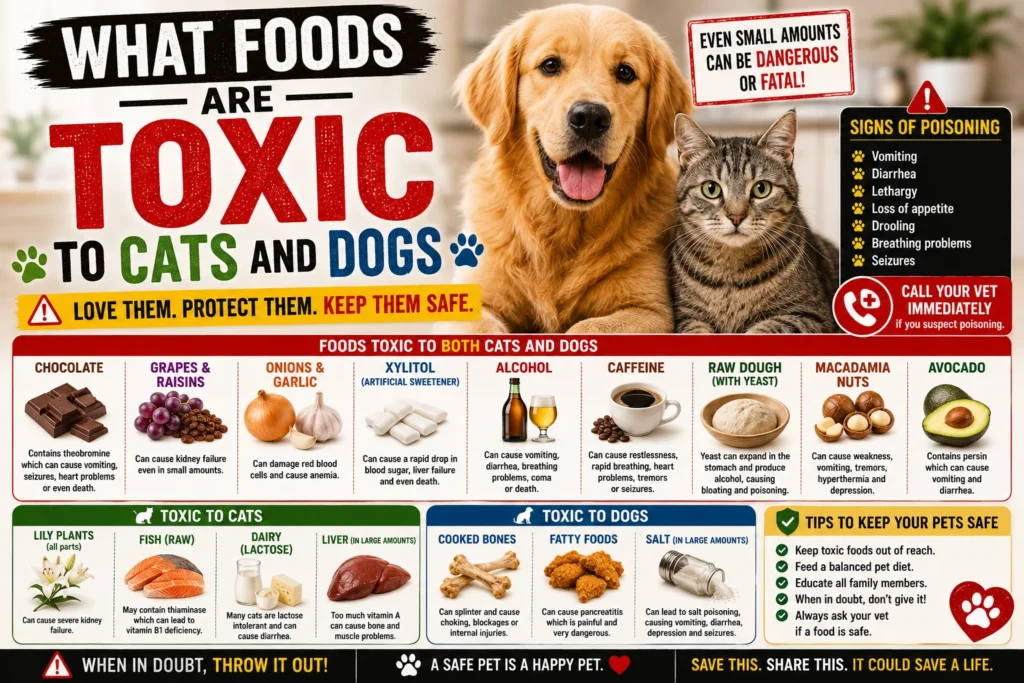
Here’s the List There are more foods out there than you think, and they can cause a variety of problems for your dog or cat. They include, but aren’t limited to, the following: Before we proceed, let’s address the “why” behind the concern. An allergic or other problematic reaction to food varies based on factors like.
The type and quantity of the offending food the weight and age of your pet your pet’s overall condition Therefore, if you think your cat or dog may have consumed any of the toxic foods listed above, don’t sit back until symptoms emerge immediately call your veterinarian or local pet poison hotline.
The Top 10 Most Toxic Foods for Dogs and Cats
Here is a comprehensive list of the most dangerous human foods for cats and dogs, broken down by the threat they pose.
1. Chocolate and Caffeine
This is one of the most talked about. Most people already know this. This contain a toxin called theobromine, a stimulation that a can make your dog sick.
The more darkness your chocolate becomes the more teobromine it contains.
Baker’s Chocolate and cocoa powder is the most toxic with bakers containing higher levels with followed by darkness to milk chocolate. White chocolate’s contain little to no theobromine however they do contain lots of sugar which causes diarrhea.
Coffee, tea and energy drinks also contain dangerous levels of caffeine which should not be given to your dogs.
Signs and symptoms include, vomiting, diarrhea, restlessness, tremors, seizures, abnormal heart rate and rhythm and cardiac arrest.
2. Grapes and Raisins
Even a small amount of grapes or raisins (including sultanas and currants) can cause acute kidney failure in dogs . The exact toxic mechanism is still unknown, and unfortunately, some dogs are more sensitive than others. This means there is no “safe” amount .
- Symptoms: Vomiting, diarrhea, lethargy, loss of appetite, and a sudden decrease in urine production . Symptoms may take up to 24 hours to appear .
3. Xylitol
The artificial sweetener xylitol, which can be in ” sugar-free ” products, gum, candy, bread, some peanut butter brands, toothpaste and the list goes on and on. It causes cats dogs to secrete insulin, causing a dangerously sharp decrease in the animal’s blood sugar (hypoglycemia ). Some instances may cause critical liver damage.
As for our feline friends, cats may not appear to be sensitive to xylitol, but is always safest for your cats to avoid it as well.
Signs: Vomiting, weakness, lack of cooperation, staggering, wobbling, tremors, collapse and seizure . Appear within 30 minutes.
4. Onions, Garlic, Leeks, and Chives
Onions belong to the allium family and are toxic to cats and dogs in any form (raw, cooked, or powdered). These contain toxic compounds which cause red blood cells to destroy itself ultimately leading to anemia called the hemolytic anemia. Although Cats may get affected more but it’s risky for pets of all kinds.
Symptoms include vomiting, diarrhea, lethargia, pale gums, dark colored urine, weak.
Symptoms will likely take few days to show up after consumption.
5. Macadamia Nuts
Macadamia Nuts Macadamia nuts can be poisonous and potentially lethal to dogs. Consuming a single portion can result in significant neuromuscular problems such as paralysis or difficulty walking or standing. It’s not as commonly known whether or not nuts are harmful to cats, so let’s keep those from your feline as well.
Potential side effects include vomiting, weakness, tremors, inability to walk properly, joint pain, and lethargy.
Dogs might display pain in their back legs and be completely unable to stand and bear weight.
6. Alcohol and Raw Yeast Dough
Booze! Oh no! Alcohol is lethal and will certainly poison your pet causing coma and loss of life.
However, the issue isn’t limited to your favorite beverages.
One culprit is also something most folks don’t see as a problem: raw yeast dough or uncooked bread rolls. When you feed these to your furry buddy, he can’t digest and his stomach heats up. As dough bakes it ferment in this warm environment and producers are alcohol which intoxicates your friend. Moreover, the increasing size of dough in his stomach, results in life-threatening’ Gastric Dilatation, that is stomach expansion .
A stomach full of growing bread will burst if not removed surgically which also causes death. Other symptoms to include are; Vomit, diarrhea, mental disorientation, slowed or labored breathing and un-coordination of movement, or depression of central nervous system .
7. Cooked Bones
Cooked bones aren’t really chemical toxins; instead, they’re large physical risks . As cooked bones splinter easily into sharp pieces, they can perforate your pet’s digestive tract resulting in internal bleeding or a blocked or choking scenario (and potentially resulting in death for your pet) . This comprises poultry, pork and rib bones .
8. Fatty and Sugary Foods
Fatty and foods from your meal( such as bacon pieces, the scraps from fried food items, sausage and cheese) will cause agonizing acute pancreatitis a medical condition that could be serious and also fatal to one’s life. Food saturated with sugars may have a somewhat lesser adverse result in an acute sense, however over time would trigger health issues such as obesity or clinical health problems relating to diabetes.
9. Salt
Salt can go the other way as well. Over consumption can lead to salt poisoning. That’s also an emergency that causes extremely violent salt electrolyte balance and it can cause death . Signs Profuse drinking of water; vomiting; diarrhea; lethargy tremors and seizure.
10. Avocado
These popular fruits contain a toxin known as persin which poses particular risks to pets like birds, rabbits and horses. Although dogs and cats are much more tolerant of this toxic compound but it can still create digestive upset if consumed by pets, mainly the seed and peel. Avocados have to potential for a choking hazard or obstruction.
Recognizing the Signs Symptoms of Poisoning in Pets
What signs does your cat have after consuming toxic substances?
Symptoms typically appear immediately after exposure or may require a day to two after the exposure to develop . If you experience any following signs, your pet should immediately seek veterinary intervention .
Vomiting and Diarrhea .
Weakness/Lethargy .
Lost Appetite .
Tremors and/or Seizures .
Paleness/Lacking in Gums Color .
Troubles in breathing .
Excessive Drooling .
Losing a sense of coordination or peculiar behaviour.
What to Do in an Emergency
Keep Calm: Panicking isn’t going to help your furry best friend.
Remove Your Pet: Separate your animal from whatever source the food came from to stop additional consumption of toxic material.
Do not Induce Vomiting: Only make your pet vomit if a vet gives you instructions on doing so. Salt can kill an animal.
Consult an Professional: Ingesting these items should be reason for a visit to a full service vet or the vet staffed poison control hotlines below.
Don’t Forget the List Goes On: These 8 common items only scratch the surface of things unsafe for animal ingestion. Food for people, household chemicals, medications and even certain indoor and outdoor flora pose hazards. When in doubt, keep your items locked away tightly and rely on specially prepared animal foods.
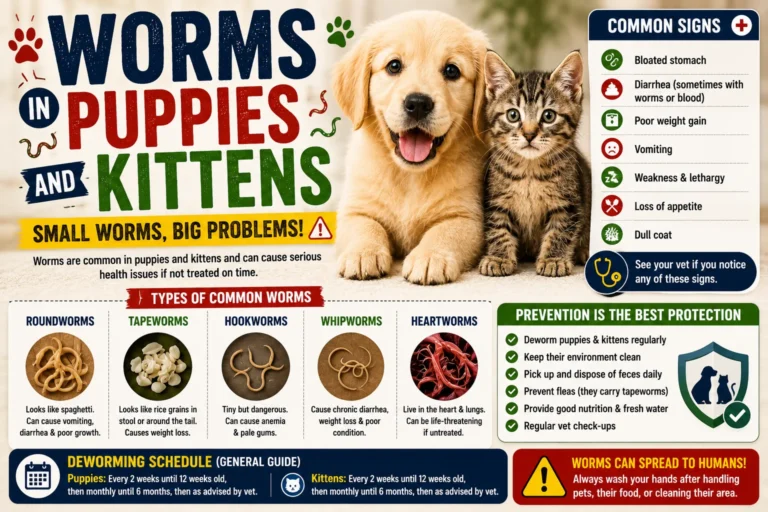
For More Info : Worms in Puppies and Kittens 2026
Frequently Asked Questions (FAQs)
1. What are the most toxic foods for dogs and cats?
The most dangerous foods include chocolate (especially dark), grapes and raisins, xylitol (artificial sweetener), onions and garlic, macadamia nuts, and alcohol . These can cause severe organ damage, seizures, or even death.
Why is chocolate toxic to dogs and cats?
Chocolate contains theobromine and caffeine, which are stimulants that dogs and cats process very slowly . Darker chocolates are more toxic. A small amount can cause vomiting, tremors, and heart problems .
Can dogs eat grapes?
No. Even a handful of grapes or raisins can cause sudden, fatal kidney failure in dogs . There is no known safe dose, so they should be avoided entirely .
Is xylitol toxic to cats?
Based on current knowledge, xylitol appears to be toxic primarily to dogs, not cats . However, it is still best to keep all xylitol-containing products away from all pets to be safe .
Are onions and garlic toxic to pets?
Yes. Onions, garlic, leeks, and chives are toxic in any form (raw, cooked, or powdered) . They damage red blood cells, which can lead to hemolytic anemia, especially in cats .
Can pets eat macadamia nuts?
No. Macadamia nuts are highly toxic to dogs and can cause weakness in their back legs, vomiting, and tremors . The effects can be severe and are best avoided.
What happens if a dog eats cooked bones?
Cooked bones (like chicken or pork) are brittle and can splinter, causing choking, or severe internal damage to the mouth, throat, and intestines . This is a physical danger rather than a chemical one and can require emergency surgery .
What are the signs of food poisoning in a cat or dog?
Common signs include vomiting, diarrhea, lethargy, loss of appetite, and pale gums . More severe signs include tremors, seizures, difficulty breathing, and collapse . If you see these signs, call your vet immediately .
What should I do if my cat or dog ate something toxic?
Remove any remaining food, do not attempt to induce vomiting unless instructed, and immediately contact your veterinarian or an animal poison control center . A quick response is critical for the best outcome.
What human foods are safe for pets to eat?
While this list focuses on toxic foods, it’s important to note that many human foods can still cause digestive upset due to high fat, salt, or sugar content . For treats, it is safest to stick to pet safe options. Always consult your vet before introducing new foods to your pet’s diet.