Why Is My Pet Turtle Shell Becoming Soft and Flaky?
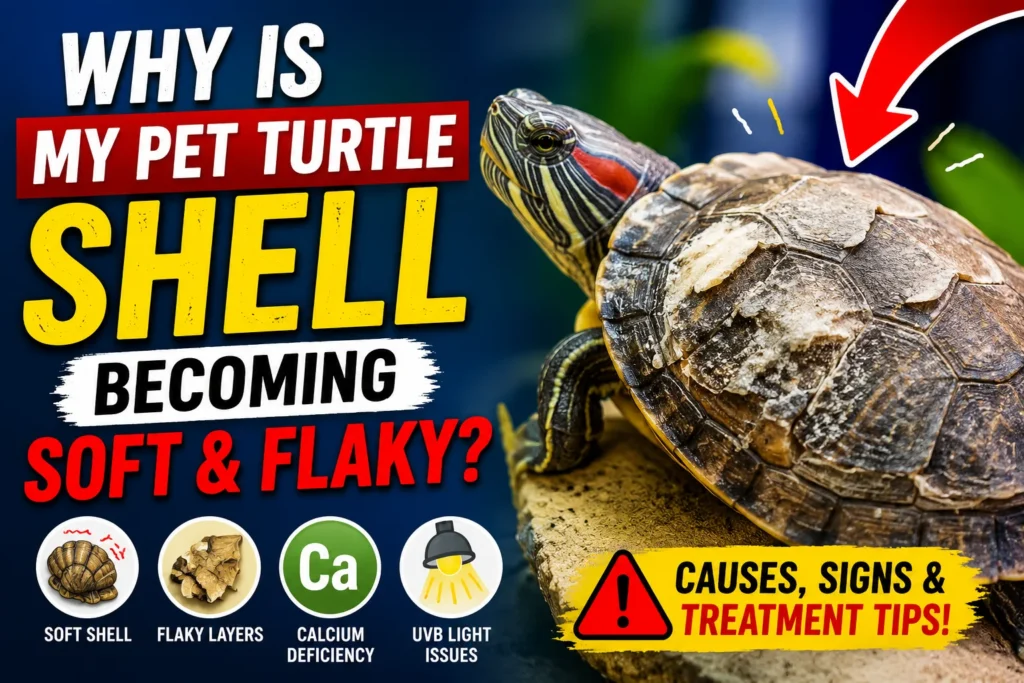
Learn Why Is My Pet Turtle Shell Becoming Soft and Flaky?. Your pet turtle’s shell ought to be tough, healthy, and unvarying in texture and shade. In contrast, you’ll need to watch out for soft, flaky or unusually-looking spots or unusual spots in case your turtle seems to be going through any kind of trouble. It’s quite common for any turtle to shed part of its shell regularly. But an unhealthy shell that feels smooth to the touch might point out health problem including malnutrition and also healthiness issue due to unsuitable habitats, infections, as well as also diseases like metabolic bone condition.
Differentiate typical turtle shell growth and problem and you’ll know precisely what to look out for in the case of a condition affecting your pet turtle’s shell. What triggers this condition, exactly what could be the cure and exactly how to ensure that it never takes place ever again? Let’s go into detail with these issues:
Understanding a Healthy Turtle Shell
A turtle’s shell is made of bone and is coated in keratin scutes. It helps shield sensitive internal organs, which is critical to the animal’s general well-being. What a healthy shell looks like:
- Solid and firm
- A smooth scutes with few and not deep cracks
- Uniform color Unoffensive smell
- No soft places to the touch
- Little to no shedding throughout a turtle’s growth
A young turtle will shed scutes once in a while throughout growth and this should not be mistaken as illness.
Why Is My Pet Turtle Shell Becoming Soft and Flaky?
1. Calcium Deficiency
An insufficient diet deficient in calcium leads to many turtles suffering from the dreaded soft shell problem. Calcium is absolutely critical in a turtle’s body and is required to create solid bones and shell. When there is a shortage of this vital mineral the shell slowly begins to soften.
Signs of Calcium Deficiency
- Soft shell edges
- Flexible shell plates
- Slow growth
- Weakness
- Poor appetite
- Deformed shell shape
Causes
- Low supplementation with calcium
- Diet of inferior quality
- Ratio imbalance calcium/phosphorus
Treatment
Provide the pet with supplement foods such as reptile calcium and potentially D3 in dishes or in its reptile-safe food mix. You may also want to consult with a veterinarian experienced with exotics to determine if supplements can benefit your reptile’s bones.
2. Lack of UVB Lighting
The UV rays also stimulate the synthesis of the necessary V.D 3 (which is formed whenever the turtle comes in contact with the sun/UVB). V.D 3 will be needed to help turtles effectively digest calcium. Even when the diet of the turtle is sufficiently high in calcium. UVB will be absolutely necessary.
Symptoms
- Soft shell
- Flaky scutes
- Weak limbs
- Reduced activity
Solution
Use a high quality UVB reptile lamp & replace bulbs according to the manufacturers’ guidelines ( typically 6 to 12 months ).
3. Metabolic Bone Disease (MBD)
Metabolic Bone Disease is a condition commonly diagnosed in reptiles such as turtles that have a lack of calcium and vitamin D3 in their diets and don’t use UVB light.
Symptoms
- Soft shell
- Misshapen shell
- Weakness
- Tremors
- Difficulty moving
Risk Factors
- Poor nutrition
- Inadequate UVB exposure
- Improper husbandry
Treatment
Veterinary care is essential. Early intervention significantly improves recovery chances.
4. Shell Rot
Shell rot occurs when there is a fungal or bacterial infection on the shell. If not treated it can spread further down shell tissue, becoming deadly.
Signs of Shell Rot
- Flaky shell patches
- Soft areas
- White, yellow, or black discoloration
- Foul odor
- Pits or ulcers
Causes
- Dirty water
- Injuries
- Excessive moisture
- Poor tank hygiene
Treatment
- Improve water quality
- Dry-dock under veterinary guidance
- Use prescribed medications
- Seek immediate veterinary evaluation
5. Poor Water Quality
Some of the times that water turtles hang out they are immersed in water. Mold, mildew, and bacteria proliferate in unclean water.
Common Problems
- High ammonia levels
- Excess waste accumulation
- Insufficient filtration
Symptoms
- Shell irritation
- Flakiness
- Skin infections
- Eye problems
Prevention
- Install a strong filtration system
- Perform regular water changes
- Monitor water parameters
6. Nutritional Imbalances
A diet lacking essential vitamins and minerals can affect shell health.
Important Nutrients
- Calcium
- Vitamin D3
- Vitamin A
- Protein
- Trace minerals
Recommended Foods
- Commercial turtle pellets
- Dark leafy greens
- Aquatic plants
- Calcium-rich vegetables
- Occasional protein sources
7. Natural Shell Shedding
Not all shell flaking indicates disease.
As turtles grow, old scutes naturally peel off to make room for new growth.
Normal Shedding Characteristics
- Thin transparent scutes
- No odor
- No soft spots
- No redness
- Shell remains hard underneath
When to Worry
Consult a veterinarian if shedding is accompanied by softness, discoloration, or foul odor.
Also Check: What to Do If Your Dog Eats a Grape or Raisin?
How to Tell if the Shell Problem Is Serious
Contact a reptile veterinarian if you notice:
- Soft shell sections
- Deep cracks
- Bleeding
- Bad smell
- White or black lesions
- Swelling
- Loss of appetite
- Lethargy
- Difficulty swimming
Prompt treatment can prevent severe complications.
How Veterinarians Diagnose Soft Shell Problems
A veterinarian might:
Perform a physical examination, take a shell sample, conduct a blood workup, take radiographs, assess diet or send off samples for bacterial and fungal culture.
How to Treat a Soft and Flaky Turtle Shell
The following are common treatments:
Ensure that you provide the correct quality diet for the reptile and a reliable supplement containing the correct level of calcium. Provide a proper UVB light bulb designed for reptiles and give opportunities for basking and soaking.
Best Prevention Tips for Healthy Turtle Shells
Follow these essential care practices:
Provide Proper UVB Lighting
Replace bulb when needed and maintain the correct placement
Offer a Balanced Diet
Provide an appropriate diet Offer species-appropriate diets that include calcium and essential nutrients.
Maintain Clean Water
Use a filter appropriate for your tank and keep it cleaned properly. Designate a basking spot
Create a Proper Basking Area
It is essential to provide a dry, warm basking area to help maintain your turtle’s shell condition.
Schedule Regular Health Checks
Routine vet checkups can catch disorders early.
Foods That Support Strong Turtle Shell Growth
Here are a few excellent examples of foods rich in shell material:
Collard greens, mustard greens, dandelion greens, a bit of kale, store-bought turtle pellets, cuttlebone, and calcium supplements, Aquatic plants. As you know it is vital to look at specific needs of species!
Frequently Asked Questions (FAQs)
Is it normal for my turtle’s shell to peel?
Yes. In many reptiles, particularly the young, peeling scutes is a normal part of growth. A smelly, discoloured, or soft shell warrants an examination by your veterinarian.
Why is my turtle’s shell soft?
Common reasons for a soft turtle shell include deficiency of calcium, improper UVB exposure, or metabolic bone disease.
Can a soft turtle shell harden?
In many instances yes, with proper and immediate care. Your turtle should be able to regain a strong shell with proper management and treatment.
How much UVB light does a turtle need?
With the exceptions of a few nocturnal species and specific water turtles, most of your turtles require excellent daily access to quality UVB light for proper calcium balance and D3 synthesis.
What does a rotting shell look like?
Shell rot could be manifest as discoloured or soft areas, pitting, a bad odour or flaking of scutes.
Can dirty water cause my turtle’s shell problems?
Yes. Unclean water that harbours bacteria and fungi will readily promote shell damage.
Do I need to pull my turtle’s peeling shell?
No. You should never ever try to peel or tug off your turtle’s peeling shell, as you will likely damage it and risk introducing infection.
When do my UV bulbs need to be replaced?
Most of the turtle UV lamps will require to be changed every 6-12 months depending on manufacturer’s guidelines for a particular lamp.
What foods should I offer my turtle that are high in calcium?
Foods rich in calcium include cuttlebone, the majority of the leafed vegetables, and any premium reptile food that is fortified with calcium.
What time do I need to take my turtle to a veterinarian?
You should bring your turtle into a vet anytime you observe the shell softening, experience foul odor or have notice discolouring, bleeding, or changes in their appetite or energy level.
Final Thoughts
“Why Is My Pet Turtle Shell Turning Soft and Flaky?” Perhaps you want to know if this condition signifies something as basic as natural shell shedding or if something as severe as calcium deficiency, metabolic bone disease, shell rot or inadequate care could be the root of the issue. It’s best to understand potential warning signs for shell problems because left unattended, they often intensify and could lead to more grave complications down the road.