Why is My Senior Dog Refusing Dry Food?
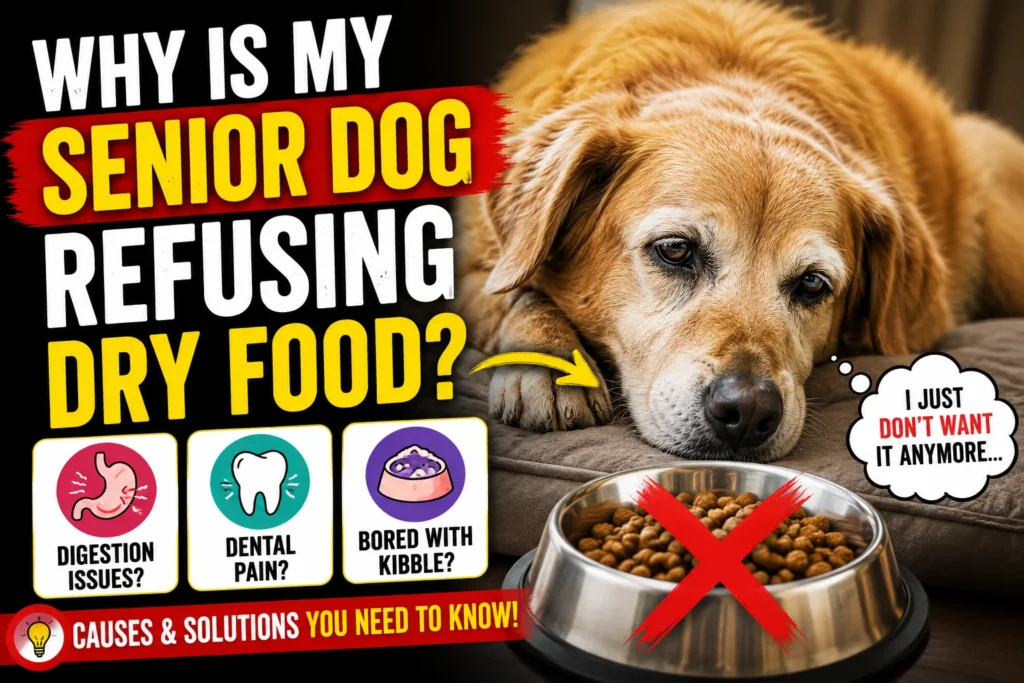
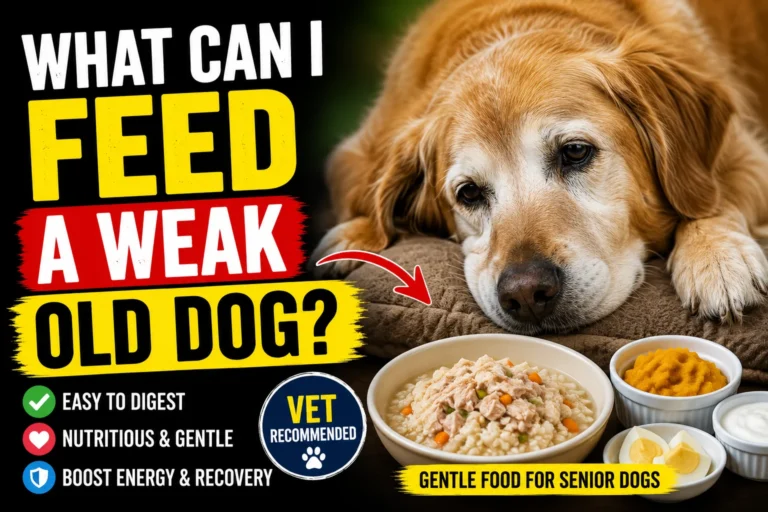
Why is My Senior Dog Refusing Dry Food? There is something very hard about watching your old faithful look at their bowl and turn away from their meal. This has been their staple for years and now suddenly the taste for that once loved dry kibble has vanished, it’s easy to think of them as being a bit ‘fussy’, but when an old dog turns their nose up at dry food, it could actually be something a little more serious and that will need investigating.
Why is My Senior Dog Refusing Dry Food?
Is This an Emergency? When to Call the Vet
Prior to making all sorts of trickery to make their meals more appetizing, it’s vital that you make sure that they’ve got no medical problems. Changes in their food cravings can be one of the initial indicators of a health disorder. Call your veterinarian right away, should your elderly dog…
- Not eating for 24-48 hours: this is the standard time frame we look at in senior pets, since they can go downhill so quickly when losing weight.
- Not only have they stopped eating, but they’re showing other signs of being unwell. This could include vomiting, diarrhea, increased or decreased drinking, or overall lethargy.
- Starting to rapidly lose weight, or appearing to lose muscle.
- Are exhibiting signs of mouth pain when they try to eat difficulty chewing or swallowing, excessive drooling, pawing at the face.
The Top 5 Reasons Senior Dogs Refuse Kibble
After you’ve eliminated any underlying, serious medical causes of refusal through your veterinarian, chances are your dog’s kibble aversion is simply a sign of aging. The most common reasons include:
- Dental Pain and Disease: One of the most common culprits. Older dogs can develop dental problems such as gum disease, fractured teeth or tooth abscesses. If biting into that hard kibble hurts, your hungry dog will likely skip it.
- Loss of Sense of Smell and Taste: Smell is largely responsible for a dog’s appetite, and this sense deteriorates with age. Your dog might find that his milder smelling kibble is less appealing as the sense of smell begins to fade.
- Changes in Digestion and Metabolism: Your senior dog probably isn’t as active as a younger animal and needs less food. As his metabolism slows and digestion can also change, hard-to-digest dry food might be less enticing than a softer, easier-to-eat wet food.
- Health Problems: Age related conditions, such as kidney disease, liver disease, or diabetes, can lead to increased nausea and decreased appetite. Often increased thirst goes along with these conditions. Your dog may drink plenty of water and still not want to eat food.
- Pickiness and Learned Behaviors: It may not be the primary reason, but sometimes senior dogs get a little picky. They may learn to hold out if they know a refused bowl of food means that tasty scraps of human food are right around the corner.
Also Check: Why Is My Pet Snake Not Shedding Its Skin Completely?
A Step-by-Step Guide to Help Your Dog Eat Again
After your dog’s health is given a go-ahead by your vet, you can start using these tips to tempt your old buddy to take a bite or two. Remember, the goal here is to accommodate their changing needs.
Step 1: Make the Kibble Easy to Chew and Smell
Soften the kibble- Soak the dry food with some warm water or an unsalted chicken broth, then let it sit for 5–10 minutes. This will make it easier for them to chew and the moisture will make the smell much stronger. Mix it with wet food- A scoop or two of your high-quality canned dog food will greatly improve the taste and make it more appealing for the food-biter.
Step 2: Add New Flavor and Aroma
Warm it up- Warming food just slightly (to room temperature is enough!) greatly improves its aroma, a major appetite trigger. NEVER give your dog hot food.
Add a topping: Plain unsweetened pumpkin, plain yogurt, or even a specialized dog food topper can bring the food to life.
Try a new flavor or brand: Perhaps your dog is simply getting bored. Whatever you do, when changing their food, transition over 7-10 days to prevent an upset stomach.
Step 3: Rethink Mealtime and the Feeding Environment
Switch to a senior dog food: Most senior dog food varieties are formulated with softer ingredients or have an easier texture. Feed them less more often- Rather than feeding two meals, divide their total daily portion into three smaller ones. This should make mealtime less of an overwhelming task and be much gentler on their digestion.
Prepare a non-stressful environment- Feed your dog in a calm, relaxing spot away from commotion.
If you have other animals in the house, you’ll want to separate them at feeding time. Stick to a schedule. Set aside the same feeding time each day and don’t leave their bowl down indefinitely. Remove the bowl after about 15 to 20 minutes, whether it’s eaten or not. This habit helps your pet maintain regular meal times, as opposed to snacking at will.
Frequently Asked Questions (FAQs)
Is it a big deal if my old dog just decides one day not to eat its dry food?
It’s common for older dogs to gradually lose their appetite due to slowing metabolisms, but one day completely stopping the dry kibble is a definite red flag and can signal anything from dental issues, sickness, to general stomach upset. Best get your vet check.
My old dog is still drinking but it stopped eating the dry kibble why is that?
Most illness that create nausea (like kidney and liver diseases) don’t effect water drinking the same as kibble munching. Likewise, painful teeth can makes chewing very difficult but doesn’t prevent drinking readily. If the condition lasts more than one day, consult your vet.
What is the leading medical reason why an older dog is refusing the dry food?
It’s often their teeth. If there is an oral abscess, decayed teeth or painful gums or even an painful tongue, they often simply cannot and do not want to chew dry kibble. Dental problems lead the list of likely suspects for such a scenario.
Will a moist and or canned food be better for a senior dog?
Often, the answer is yes. It’s more palatable (smells more appealing to older noses), easier to chew and helps hydrate an animal that’s already getting into its later years. Older pets really need more hydration to stay healthy and functioning properly so this helps.
Is there a way to get an old dog with really poor teeth to eat kibble?
Sure, you can soften kibble by soaking it in warm water or even some unsalted broth. This is however, generally not a permanent solution because what we need to do is find the root of why the animal cannot chew. This will likely involve an oral examination and possible dental extraction from your vet.
Can I feed both the dry kibble and the canned moist food to my old dog?
This is an excellent alternative for a senior dog! Kibble will give it the nutrition and chewing action it needs but you also give it that additional taste, appeal, and softer texture that is more palatable for older palates.
How long before I know my senior dog hasn’t eaten and it’s an emergency?
If your old dog hasn’t eaten in 24 to 48 hours and you don’t have your dog scheduled for the vet, you probably should book an appointment with your vet and have them look at your pet soon as the weight loss in the senior dog population can occur quickly.
Does my dog’s sense of smell affect its willingness to eat its dry food?
Your dog’s nose is it’s guide and how it judges if food is good. Our dog’s sense of smell diminishes over the years and your older dogs doesn’t smell the kibble anymore, so why would it eat it. Warming up the kibble or adding the dog food topper of your choice can help!
I should transition to another brand of food if my old dog won’t eat the present kibble right?
Absolutely not before ruling out illness, but then yes, if that’s the cause of the old dog not wanting to eat, then switching foods can help but only gradually over a week or two as to prevent stomach upset.
Can older dogs be picky eaters?
Yes. If you feed a dog tasty treats every time he turns his nose up at the food in his bowl you train your dog to think if he just turns his nose up he will eventually be given tasty treats and/or people food.