How Long Can A Sick Dog Go Without Eating?
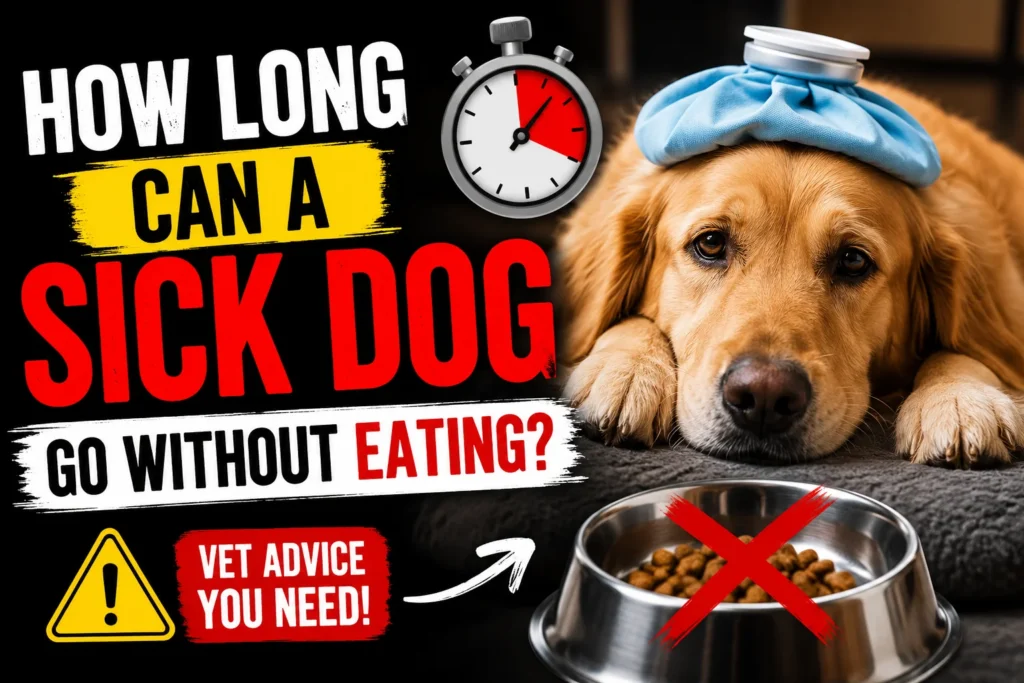
How Long Can A Sick Dog Go Without Eating? Being a veterinarian, the most alarming and repeated question that I receive from frantic parents is, “How long can my dog survive if he is not eating?” This question obviously reveals a lot about the anxiety level and the worry of parents. You know something is not right in your pet’s system, but you are just trying to figure out what kind of a disorder it could be and how severe it might be. Here is the direct answer to your question, followed by some actions that you can take.
If we consider medical standpoint, an average adult dog could possibly do with 3-5 days without a food while keeping adequate drinking water source, so when the dog appears to be unhealthy and it’s resisting foods consumption then you don’t have that luxurious regarding waiting around 3 days before phoning one’s own dog vet.
How Long Can A Sick Dog Go Without Eating?
Here’s the medical rule you can remember:
- 24-Hour Rule for Sick Dogs: If your dog is sick and you have not gotten them to eat for 24 hours, call the veterinarian.
- 48-Hour Rule: If your adult dog have not eaten for 48 hours, they will need to go to the vet whether or not they seem normal to you. This is an emergency situation.
- 24-Hour Rule for Water: If your dog have not taken anything in to drink for 24 hours, get your dog to the vet as soon as possible. Dehydration will kill a dog much more quickly than hunger.
Why Time is of the Essence for a Sick Dog?
When a dog is sick and won’t eat, it’s more than just missing a meal. Several key systems begin to shut down:
- Organ Failure: The body can’t operate without fuel, and so, as it begins to burn fat and muscle tissue to function, tremendous stress is placed upon the kidneys and liver, possibly leading to or accelerating organ failure .
- Gastrointestinal Breakdown: The gut lining needs to be fed regularly to maintain its integrity. If the body is not fed for three days, thislining is damaged. It is then far more difficult for it to take in nutrients, even when feeding does recommence .
- Decreased Resistance to Infection: A sick dog depends on its immune system to do its best work. Starvation effectively incapacitates that system and will make recovery very much more difficult.
“My Dog is Sick, Why Won’t They Eat?”
- When a dog stops eating this is referred to medically as anorexia. Anorexia, unlike in humans, is rarely behavioral and in a dog that is ill, this can happen for a number of reasons, including: Underlying Illness: Kidney disease, liver disease, infections, gastrointestinal disease such as pancreatitis and even the commonest infection, fever, will all affect the appetite. Pain or discomfort. A dog with a sore mouth, diseased teeth or simply internal discomfort will have an aversion to the process of eating.
- Side effects of medicines: some medicines prescribed for other ailments will result in the appetite reducing.
- Critical conditions: In severe systemic problems dogs can develop pseudo-anorexia- that is they want to eat and may even start to do so, but are unable to swallow due to difficulty chewing or due to pain when attempting to.
High-Risk Dogs: Time is Even More Critical
More than just a day: for a handful of canines, the duration is a little much shorter: Pups While youngsters have small energy reservoirs to burn, pups can drop into fatal drops of blood sugar known as hypoglycemia whenever they omit just one of meals. Call your vet any time a young pup passes up on meals, specifically if he looks depressed as well as sluggish. Older Dogs Senior pets are also more likely to suffer from serious conditions including organ failing, heart conditions, or even diabetes, therefore the 12- to 24-hour absence of nourishment is of specific issue to these dogs.
Persistent Disorders: If the canine has a consistent health issue, including diabetes mellitus, then going skipped foods might possibly influence the amount of insulin that a dog needs to harmful degrees as well as will result in critical event.
Notify your veterinarian right away if your diabetic pet dog will not consume.
Also Check: Dog Appetite Loss Home Remedies
What To Do When Your Sick Dog Won’t Eat?
Above all, stay calm and act rationally. It’s more beneficial to you and your dog that way. Do You Think About the big picture Are they eating anything? Are they vomiting? If so, do you know what did they eat/drink that day? Are they very sleepy? If not, are they painful when you touch or even lift your dog? Are they panting and anxious? Do your dog’s lips look pink or white? Is the mouth moist or it is very dry and sticky?
A dry, sticky mouth is a sign of dehydration. Offer Some Food Try to tempt the dog If you have an attentive dog who does not feel nausea or vomit, you can attempt some methods of stimulating the appetite of the dog.
Give a small serving of soft boiled chicken, skinless andboneless, along with white rice. Add a few grams of warming the meat or rice a bit so that the smell intensifies a bit more . Pour some salt-free chicken broth into their bowl (water orfood).
Give your dog the meal directly to its mouth, in your hand.
DO NOT FEED BY FORCE: do not try to give your dog the drink in a force manner! If he does, there is a high risk of him accidentally inhaling food into his lungs, and the consequences will be fatal (it will cause hima serious case of pneumonia). You stop tempting when If the dog continues to reject food ,despite trying, even the small, and specially treated portion; if your dog has some other pathology, for example kidney disease; if your dog seems to have pain, is lethargic or if has symptoms of vomiting; if you have waited a day for dog’s health condition and there was no improvement
The Veterinary Visit: What to Expect
When they get to the clinic your vet will do a thorough physical exam and probably run some blood and urine tests, and even an x-ray to pinpoint exactly what’s making them vomit. What they’ll do to treat it varies depending on the underlying issue, but could include:
- Fluid therapy: This will likely be given IV to fight the dehydration that can drastically impair organ function. Anti-nausea medication: To calm the upset in the gut.
- Appetite stimulants: to help your pet become interested in food again.
- Nutritional support: In severe cases, they might need a feeding tube.
Conclusion
Naturally, a dog that is “feeling himself” may well have days when he will not eat a meal. When the dog is sick, he does not enjoy that luxury and soon enough, even a minor disease will quickly turn into a more urgent issue. Remember to take a sick dog to the vet to have his ailments looked at if he has not eaten at all for over 24 hours or if you’re experiencing any of the other indicators listed above!
Frequently Asked Questions (FAQs)
How long can a sick dog go without eating before it is life threatening?
For a sick dog, 24 hours of anorexia requires a call to your vet. At 48 hours it is an emergency.
My dog is sick and not eating but still drinking – am I worried too soon?
Yes. Your dog still needs nutrition (calories) to heal from its illness and/or infection. 24 hours without food even when drinking is a major warning sign.
What causes loss of appetite in sick dogs?
Numerous things cause decreased appetite in sick dogs, including infections, diseases of the kidneys or liver, dental disease, GI issues such as gastroenteritis, and medication side effects.
Should I withhold food from a sick dog for 24 hours to let it rest and recover?
No, this practice is old fashioned and generally not advisable. Loss of appetite is a symptom of disease that warrants veterinary treatment, not of itself an illness.
Is 24 hours the maximum time that a sick puppy can go without food like an adult dog can?
Absolutely not. A sick puppy has minimal energy reserve and low blood sugar(hypoglycemia) is a rapidly life-threatening complication. Any sick puppy not eating its first meal should immediately see its veterinarian.
If my dog has chronic illness, such as diabetes, and refuses a meal what do I do?
This is an emergency! If your diabetic dog stops eating, it could develop a rapidly fatal metabolic syndrome called ketoacidosis (DKA), Contact the emergency hospital immediately!
Should I force my dog to eat?
Never force-feed any sick dog as the animal could potentially aspirate food or water into their lungs, resulting in pneumonia which could be fatal. Leave force feeding to the professionals via a feeding tube.
What can I offer a sick dog that is not eating to get some food into them?
Bland food is generally well accepted. Try offering plain boiled skinless, boneless chicken breast or white fish without seasoning. Warmed very slightly with low-sodium chicken broth, is an appealing option for most ill pets.
What signs indicate dehydration in my dog?
Signs of dehydration in a sick dog include dry, pale gums, dry mouth, sticky salvia, loss of skin turgor (if you pick up skin on the back and gently pull upward, it should return to its normal place quickly).
My dog seemed sick, stopped eating but is feeling much better – is there any reason to visit the vet?
While it may seem like they are bouncing back, seeing your vet is highly recommended even if they’re feeling better. They can identify the underlying cause of your dog’s illness to help prevent recurrence or complications.