How To Treat A Dog Cracked Paw Pads In Winter?
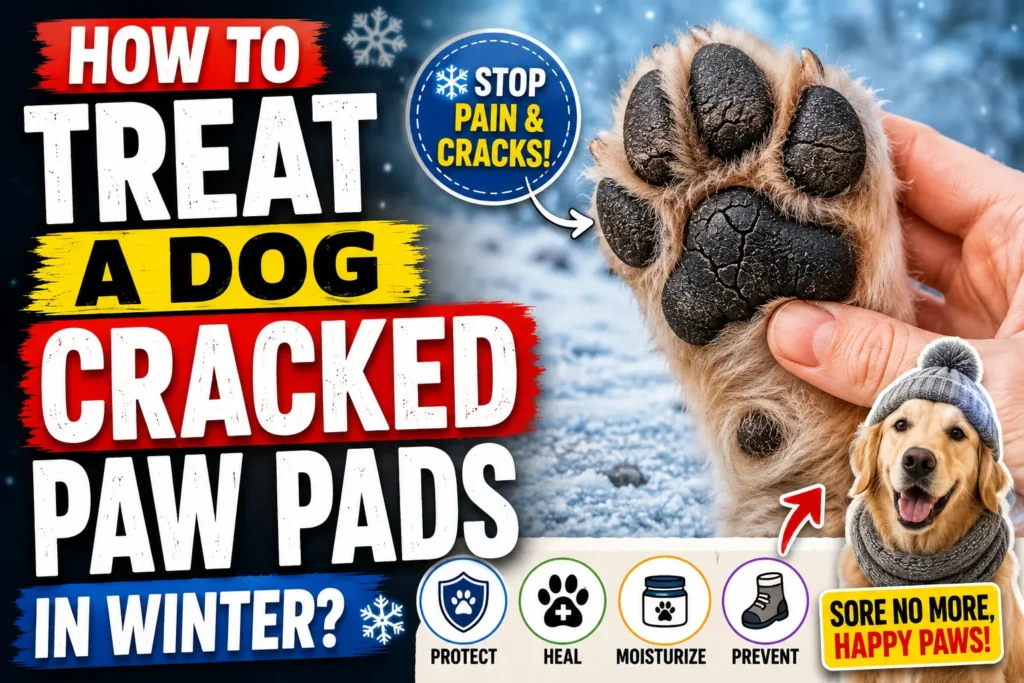
How To Treat A Dog Cracked Paw Pads In Winter? Winter turns our world into a snowy and icy wonderland; however, for our furry friends, winter is a season full of pain. Being a veterinarian, I have seen time and again how the onset of cold weather causes a plethora of problems for paws. Winter is accompanied by cold, dry air, snow, ice, and de-icers everything comes together to cause dryness, cracking, and soreness of paws. The following guide helps you understand how to deal with cracked paws step-by-step.
How To Treat A Dog Cracked Paw Pads In Winter?
Why Winter Wreaks Havoc on Paws
The dog’s paw pads are very strong and built to endure a certain amount of abuse. Nevertheless, the winter weather offers special difficulties. The air becomes drier, leading to the lack of moisture that makes the pads hard and causes them to crack . In addition, when the dog moves across surfaces sprinkled with salt and chemical ice melters, it creates even more problems for the animal, since these products irritate the skin and are hygroscopic, thus absorbing moisture from the paw pad and making the cracking worse, leading to the pain and burning sensation . Finally, the ice can cut the dog’s paw and make it get infected.
First Aid: How to Treat Cracked Paw Pads at Home
In case the dog’s paws have been damaged or cracked, immediate treatment is necessary. Here is how to proceed safely and effectively at home.
Step 1: Cleanse Gently
The first thing that you need to do is to wash the paws. Put some lukewarm water in a basin – be careful not to use hot water since it may irritate your dog’s skin even more. Wash the paws of your pet using special dog soap. This way, you will wash out all the dirt, including salt, that can cause an infection.
Step 2: Dry with Care
Wash your dog’s paws properly. Pat them dry using a soft towel. Rubbing will increase friction which may worsen their condition. Make sure that you also dry the area between their toes and pads. Bacteria and yeast thrive in moist areas.
Step 3: Apply a Healing Balm or Salve
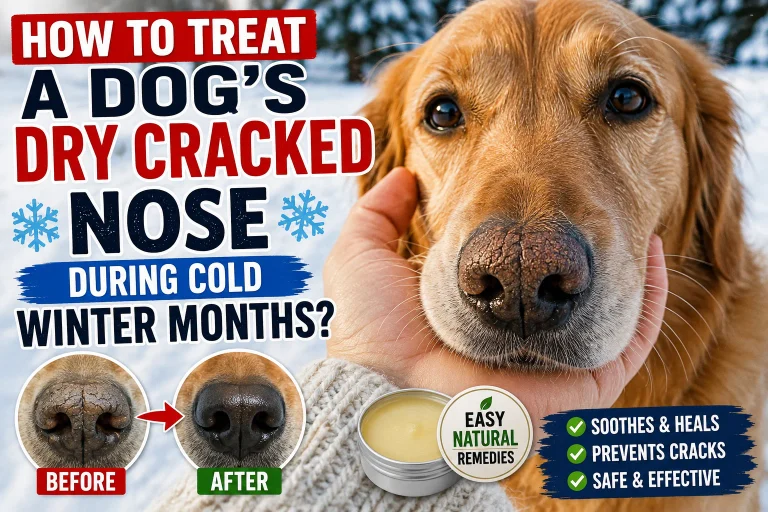
After you clean and dry the paws, apply a small amount of a balm or ointment prescribed by veterinarians for dogs. The specific product should be developed for the dog’s paws. Natural remedies such as coconut oil will do wonders in protecting them from cracking.
- Warning: Never use any human moisturizer as it can be very harmful to your dog because of the fragrance, dye, and alcohol it contains. The balms made from beeswax and even tea tree oil can be harmful to your dog.
The best choice would be the pet safe one which contains natural ingredients in its composition. Such balms as a rule have a base of beeswax enriched with coconut oil, shea butter, and other elements that protect and heal the dog’s paws.
Step 4: Prevent Licking
However, dogs are likely to naturally want to lick their paws, making your efforts go in vain. The licking process can strip off the barrier provided by the balm, infect the cracks with additional bacteria and worsen the irritation of the skin. You can protect against this through:
- Distraction: Distracting them with the help of their favorite chew toys or engaging them in play after application
- Booties: Soft booties which will keep the ointment on the paw and help it penetrate into the cracks.
Elizabethan collar: In case the dog gets obsessed with licking, it is very important for him to wear a cone.
In case the cracks are deep, bloody and/or infected (discolored, swollen, discharging, bad smell), one must surely consult a vet.
Also Check: Top 5 Quiet Water Fountains for Anxious Cats
Prevention is Key: Protecting Paws Before Walks
It is essential to treat the cracked paws but the best remedy is to prevent them.
1. The Power of Paw Balm
Applying paw balm to protect paws before going outside is one of the most useful ways to prevent any possible injuries. Balm creates a barrier that protects paws from the damaging effect of road salt and ice. In order to be really efficient, balm should be applied at least 10-15 minutes before the walk.
2. Grooming Matters: Trim the Fluff
It is necessary to trim the hair between paws of all breeds that have long fur on their paws (Poodles, Schnauzers, Shih Tzus, etc.) The main reason for this is the fact that long fur tends to accumulate snow and ice that create ice balls that hurt a dog while walking.
3. Consider Dog Booties
The best thing about using dog shoes is that they will help to keep your dog safe since the shoes will act as barriers between your dog’s feet and the harmful elements such as salt, ice and cold. Even though some dogs don’t like using shoes, you can train them to do so through positive reinforcement.
4. The Post-Walk Routine is Non-Negotiable
Regardless of the preventive methods put in place, cleaning your dog’s paws after each outing during winter is very important. You can wash their paws with warm water to get rid of any salt, de-icers, and dirt. Once done, you should then dry their paws properly using a towel.
Frequently Asked Questions (FAQs)
Why do my dog’s feet crack during the wintertime?
Two factors responsible for cracking the pads of my dog are the dryness of air during winters and the contact with the salts used for clearing roads from ice because such substances take out moisture from the dog’s paws and make them crack .
Can I apply a human moisturizer to my dog’s feet?
No, since some ingredients of the human creams may be toxic and harmful for dogs.
Can coconut oil be used on my dog’s paws?
Coconut oil is very safe for use on paws since it is an efficient moisturizer which helps ease and soothe cracked paws. Just make sure that the coconut oil is applied on clean paws and has some time to be absorbed so as not to encourage your pet to lick it off.
How often should I use a balm on my dog’s paws?
In order to use the paw balm for prevention, apply it before each walk during the winter season while for the healing process, the healing balm should be applied two to three times daily.
How can I deal with a bleeding paw on my dog?
Wash the wound with warm water and some soap. Apply gentle pressure on the wound using a clean piece of cloth.
Do dog booties work?
Not necessarily; however, these are the most effective way to protect your dog from ice, snow, salt, and freezing weather conditions.
How do I know whether the crack on my dog’s paw is infected?
The symptoms for this include redness, swelling, warmth, bad smell, and/or pus. Any time you notice these or if the dog is excessively licking its paws and in apparent pain, take it to the veterinarian .
Why does my dog need his toe hair trimmed?
This is because the long hair traps snow and ice that makes ice balls which can cause chafing and cracking .
Can the dog’s diet be an aid in the prevention of cracking of the paw pads?
Yes, as the balanced diet which consists of Omega-3 and Omega-6 fatty acids (such as fish oil) will contribute to good skin and fur condition and thus provide for solid and uncracked paw pads.
Is it alright to walk my dog on the surface that is treated with salt as long as I clean its paws afterwards?
Yes, however, only if you rinse the paw pads right away after the walk, since otherwise, the salt can remain there and irritate them.