
How to Change a Wet Paw Bandage on a Dog Safely at Home 2026
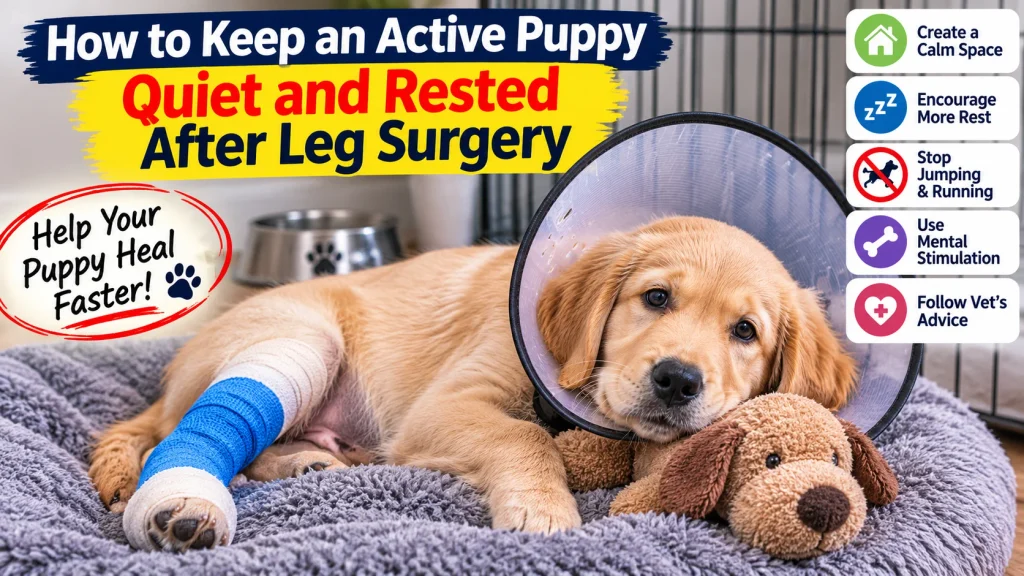
Changing the dog’s paw bandage, a complicated procedure may become hell when the bandage gets wet. A wet bandage implies that a risk not only to the ease of the caregiver but also, and more important to the wound’s cleanliness, allowing bacteria to grow.
When a Wet Bandage is a Danger: The Critical Risks
A wet bandage IS a vet emergency. Here are the reasons why a soggy bandage MUST be addressed ASAP:
- Infection & maceration: In a moist environment that results from being covered by a bandage or dressing skin can be weakened (macerate). Macerated skin will slough away more readily making it an excellent growth media for bacteria and fungi.
- Skin Necrosis: The effects of moisture, pressure, and lack of air can cause skin sloughing/sores and tissue death within 24 hours.
- Bandage slippage: A wet bandage slips easier, bunched, or twisted. It can cause the skin to rub raw (painful! Exposed wound that is then subject to more contamination) or, in the worst case, it can acts like a tourniquet and stop circulation to the paw, which may result in amputation of the affected limb if it goes untreated in certain cases.
Before you begin taking off the bandage it is important you ask whether this is something you can deal with at home.
The Green Light: When Home Change is Safe
You can go ahead to a home change if:
- Your veterinarian has previously shown you how to make the change.
- Your vet gave you a “bandage change kit” from the exact supplies he prescribed.
- The wound is clean, margins are pink and healthy, your dog is happy and otherwise acting normally.
The Red Light: When to Call the Vet Immediately
Stop immediately and call the vet when you notice any of the following:
- Signs of infection. Yellow-green discharge oozes from the wound, the wound is foul smelling, or the surrounding skin is red and extremely hot to the touch.
- Systemic signs of infection. Your dog is lethargic, has a temperature (over 102.5 F) or refuses to eat.
- Circulatory compromise. Dog’s toes are swollen or cold, or blue or purple in colour.
- Inability to stand. Your dog refuses to bear weight on the leg, or appears extremely uncomfortable.
As long as your vet gives you the go-ahead, round up all of your supplies and read through this tutorial carefully.
Also Check: Signs of Wound Infection After Dog Mass Removal Surgery A Complete Guide for Pet Owners 2026
Step-by-Step Guide to Changing a Wet Paw Bandage
1: Gather Your Supplies
Having everything ready before hand minimizes stress for both you and your dog. You will need:
- Clean Towel or Mat: To provide a non-slip surface for your dog.
- Disposable Gloves: To protect your hands and prevent infection.
- Scissors: Bandage scissors with a blunt tip are ideal to avoid accidentally cutting the skin.
- Warm Water & Cotton Balls/Gauze: For gentle cleaning if your vet has instructed you to do so.
- Vet-Prescribed Antiseptic or Ointment: Use only if your vet has recommended a specific product.
- Sterile Non-Stick Dressing: This is the pad that will sit directly on the wound (e.g., Telfa).
- Conforming Gauze (Roll Cotton): To provide absorbent padding.
- Vet Wrap (Self-Adhering Bandage): The stretchy, colorful wrap that goes on the outside. Do not use adhesive tape directly on the skin or fur.
- A Plastic Bag or Protective Bootie: To protect the new bandage when going outside.
2: Prepare Your Dog and the Environment
A good easy to hold dog is a help to have around you. Find yourself a helpers, someone that can hold your dog still and give them treat on the other so that he associates treats with you and whatever your going to do to him or his nails.. Have a good well lit quite room too, that your able to see in the room, do what you’re doing with your dog.
3: Remove the Old, Wet Bandage
Cut; don’t pull! In cases where the bandage is “welded” to the fur, carefully cut the dressing away using blunt-tipped scissors to sever the outer wrap. Cut, Don’t Pull!
After ensuring it’s not attached too badly, gently unroll the gauzing and padding.
Inspect the Wound and the Old Dressing. This is a very diagnostic step. In order to properly identify a compromised or infected wound, always look for the “warning signs.” Any pus, any particularly bad smell or severe swelling indicates trouble.
Also, determine the quantity and color of discharge.
You want some clear or lightly blood-tinged discharge; you don’t want gobs of yellow-green pus!
4: Clean and Inspect the Wound
Clean only as directed: Your vet will tell you only to clean the wound when necessary. Disturbing healing cells unnecessarily can set back progress and promote infection.
Use a gentle approach: If your vet has instructed you to clean, dab the surrounding areas of the wound carefully with a cotton-ball wrung out in warm water and wipe away debris. Do not scrub. Dry the area thoroughly with sterile gauze after cleansing. Under a dry dressing it needs a dry surface, otherwise skin will become macerated.
5: Apply the New Bandage
Part of this. A too tight bandage is just as bad as a too wet one.
- Apply the Non-Stick Dressing: Gently place sterile pad flat on the wound. Ensure it is large enough to protect the whole wound and extends onto to intact skin.
- Pad the Area: Roll the confirming gauze onto and around the paw, from your toe and unroll, up the leg. This will cushion it and help soak up moisture.
- Apply the Outer Wrap (Vet Wrap): Roll the sticky self-adhering bandage over the padding. Goldilocks is King here do not leave it too loose, do not leave it too tight. You should still be able to tuck two fingers between the bandage and skin.
Toe Check: Look at your toes. Your middle toes’ nails should be roughly parallel to each other. If they are splaying out then you have it too tight.
6: Prevent Your Dog from Licking or Chewing
Your dog will want to pull off the bandage, so make sure you use a cone (Elizabethan collar) or a donut inflatable collar as they are available in most pet stores. Licking not only gets the bandage moist but contaminates the area with more bacteria, and your dog may eat medication or debris from the wound.
7: Protect the Bandage Outdoors
The Plastic Bag Trick. Take your dog to the designated relief area by covering its wrapped-up paw with a plastic bag, or a disposable waterproof bootie for covering paws. Important Reminder!
Only use the bag for brief time periods (less than 20 min).
Immediately take the plastic bag off once you come back inside and air out paw with nothing covering it! The moisture in the bag and under will prevent from your clean and dry bandage working correctly.
Expert Aftercare: Monitoring Schedule
Your job doesn’t end with the application. You must check the bandage at least twice daily.
Daily Check-List:
- Is the bandage still dry?
- Are there any odors or stains seeping through?
- Has the bandage slipped or bunched up?
- Are the toes swollen, cold, or discolored?
- Is my dog chewing at the bandage?
Frequently Asked Questions (FAQs)
Is it okay to leave a wet bandage to dry?
No. Never let your wet bandage dry on the dog. They will get macerated and become infected. Plus, the bandage will shrink tightly when dry. Remove the wet bandage and replace it with a dry one.
How often should I remove and replace my dog’s bandage if dry?
This varies per wound and according to your vet’s specific instructions. Some require daily re-bandaging while others are left in place for 2 to 3 days. Most general recommendations for dog bandages are: The bandage should be inspected at least twice a day for dampness or soiled outer layer and changed immediately.
Should I use human antibiotic ointment on my dog’s paw?
Never use any product on your pet unless it is prescribed or recommended by your veterinarian. Many over-the-counter human antibiotics can be harmful if ingested. Some may also have ingredients which can kill normal bacterial flora (or germs) in you’re canines’ body.
What should the wound look like underneath the bandage?
When your dog’s wound is healing well, it is going to get smaller and it should also look smooth and pink, like a new beginning to soft skin. Ideally it should also show signs of little or no swelling or even redness. It should definitely show no signs of odor.
Why is my dog limping on his leg with bandage on?
Mild pain and a little bit of discomfort, and hence lameness, on the bandaged leg might be expected at first. However, if it seems like your dog was ok and now is beginning to limp heavily on the bandaged leg, and perhaps also its more painful, then you should get in contact with your vet, and perhaps have them examine the bandage and potentially the limb.
How to stop the dog from chewing on the bandage?
An Elizabethan style plastic collar (“cone”) that extends out past your dog’s muzzle will also keep the dog from being able to reach the bandage. While a “cone” keeps the bandage protected all the time, some dogs may lick an inflatable donut style collar worn around their neck.
My dog’s bandage is shifting or spiraling around its leg. What is a good plan?
The bandage should then either be re done again or taken off, and if necessary it should be taken off to your closest vet for it to get a proper re bandage applied. If the bandage has gotten twisted, either way it does not sit properly and has to either get taken off, and if necessary get an all-new proper one put on in its place.
What do I do if my dog’s toes look cold, swollen, or different color?
If you notice this-if your dog’s toes seem cold, swollen, or discolored then this is the worst potential symptom. You’ve been bandaging too tight and if the bandage not undone as soon as possible then your dog could have to have your canine foot’s circulatory system harmed or destroyed so this is serious emergency with you’re canines’ foot when they are bandaged! Immediately take off an inner wrap layer or what could get a bad toe.
What does the bandage smell bad?
Bad odors coming from beneath the bandaging means that an infectious process has begun. Such bandages need to be opened up, have the wound cleaned, and new antibiotic dressings applied. Don’t wait. Contact your veterinarian immediately if you detect an odor.
Is a sock okay to use over the paw bandage?
A sock may help keep your dog’s dry bandage from slipping or provide the dog with a less appealing object to lick while you have a few minutes to work. It can’t replace a bandage though; the sock is not absorbent or protective in the ways a sterile, layered bandage is.
Conclusion
If your wet paw bandage has come loose at home, think of it as a very temporary solution to a very serious problem. This guide will lead you through changing the dressing safely, but it will not replace veterinary care. Changing the bandage by your vet is best, as he or she will be able to evaluate the rate of healing and alter the tension of the wrap as necessary. Remember to only use this guide as a backup in an emergency, and to call your vet whenever unsure.


3 Comments