
Signs Your Dog Has a Yeast Infection on Their Skin
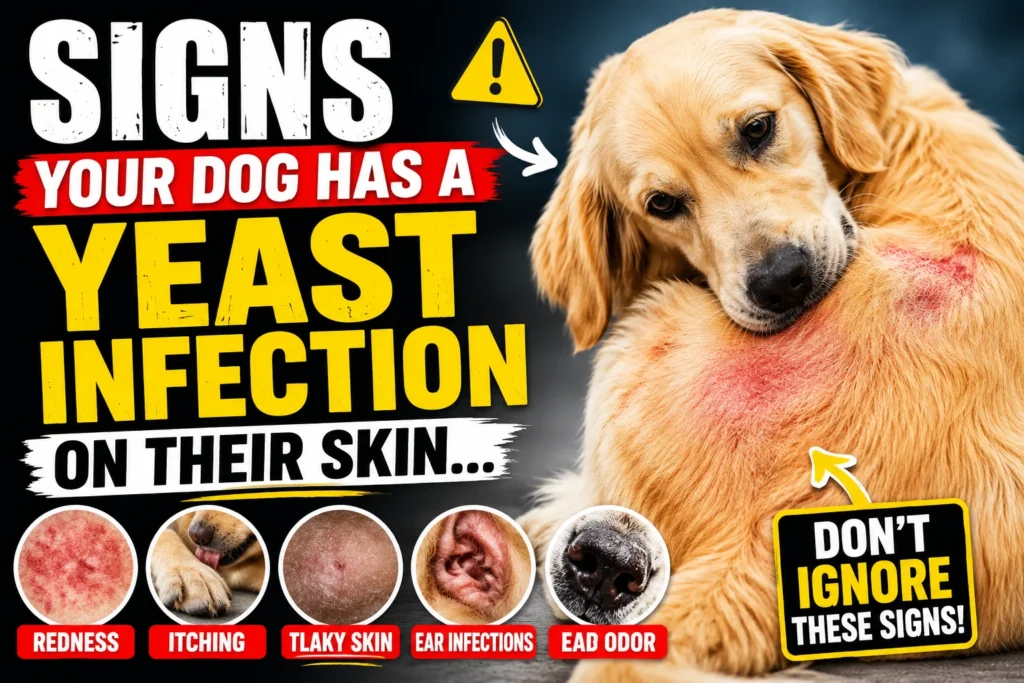
Signs Your Dog Has a Yeast Infection. Being a vet, one of the most frequent skin problems I come across in dogs is a yeast infection, which is otherwise referred to as Malassezia dermatitis. Although it is a rather frustrating problem for both the dog and the owner, it is comforting to note that it is easily managed once diagnosed.
The following guide provides information on how to detect the symptoms of a yeast infection, the cause, and when professional assistance should be sought.
Signs Your Dog Has a Yeast Infection
What is a Yeast Infection in Dogs?
Fungus can be found in the name of yeast, which normally exists harmlessly in small quantities in your dog’s skin and ears. The most usual agent causing skin infections is known by the name of Malassezia pachydermatis. Issues are bound to happen only when there is a change in the condition of the skin, which will make the yeast reproduce fast enough to cause infection. You need to know that skin infections in dogs are usually secondary in nature.
Key Signs of a Yeast Infection on Your Dog’s Skin
This kind of infection cannot pass unnoticed since it displays some specific symptoms. Let’s see what they are:
1. The Classic “Frito Feet” Odor
Unusual smell is one of the most characteristic symptoms of yeast infection in animals. It is described in various ways such as similar to the smell of aged corn chips, spoiled milk or cheese. This smell comes from byproducts produced by yeast multiplication in the body of animals.
2. Persistent Itching and Scratching (Pruritus)
Yeast infection is extremely itchy. Your dog may display such behaviors as:
- Frequent scratching of the skin, ears or paws.
- Intense licking or chewing of the paws or the area infected.
- Frequent rubbing of the face, muzzle or the body on furniture and the floor.
- Frequent shaking of the head and ear rubbing on the floor if the infection is on the ears.
- All this scratching causes more harm to the skin thus perpetuating a “vicious cycle” of breaking down the skin which results in inflammation and even bacteria infection.
3. Red, Inflamed, and Greasy Skin (Erythema and Seborrhea)
Find patches of red, irritated skin. The skin may also be overly greasy or oily because of the yeast infection’s influence on the oil glands of the skin (seborrhea oleosa). You will also observe that there are yellow, white, or grey flakes on the skin.
4. Changes in Skin Texture and Color
For people with chronic conditions, or in very bad situations, the skin will be significantly altered by the inflammatory processes:
- Darkening: The skin becomes darkened, which may be either a grey, black, or reddish brown hue.
- Lichenification: The skin becomes leathery and thickened, sometimes called ‘elephant skin.’
5. Skin Lesions and Waxy Discharge
The presence of lesions such as scaling, crusting, or papules is common . There will be an observable yellow or sticky discharge from the affected area, especially those areas where there is a fold in the skin, including the ear canal .
Common Areas Affected by Yeast Infections
Yeast appear anywhere it thrives in warm moist environments. You’ll most commonly see signs in these areas :
- Ears: Ear infections or otitis externa are caused by yeast infection in many cases. The symptoms are reddened ears, dark brown to black discharge from the ear, bad smell and head shaking.
- Paws: Yeast pododermatitis is a very common condition. Red and itchy paws, brown discolored nails, discharge from nail beds (paronychia) and increased chewing and licking are the symptoms.
- Skin Folds: Breeds with creases in skin such as Bulldogs, Pugs, Shar-Peis are highly susceptible to yeast in their facial folds.
- “Armpit” Area and Groin Area: The axillae (armpit), groin and ventral neck area are other areas where yeast infections occur.
- Between the Toes: Yeast infections may also develop between the toes.
Which Dogs Are Most At Risk?
Infection of Yeasts can affect any breed of dogs; however, some particular breeds of dogs are more prone to this disease.
Some breeds of dogs susceptible to infection by Yeasts are as follows:
- West Highland White Terrier,
- Cocker Spaniel,
- Dachshund,
- Basset Hound,
- Boxer,
- Poodle,
- Shih Tzu,
- English Setter.
- Allergic Dogs: Atopy and food allergic dogs are very susceptible.
- Dogs with Floppy Ears and Folded Skin: Physiological factor which allows yeast to grow because of the moisture.
- Dogs with Underlying Diseases: Hypothyroidism, Cushing’s Disease, and Diabetes Mellitus reduce the immunity of dogs making them more prone to the condition.
Also Check: Most Comfortable Orthopedic Beds for Senior Dogs
When to See the Vet
If you have observed any of these symptoms, then you must visit your vet without delay. Avoid trying to treat yourself without being diagnosed first because this could lead to further aggravation of your condition.
A vet will be able to diagnose a yeast infection quickly by means of an easy test known as a cytology. The veterinarian will simply obtain some of your cells using either a tape preparation or skin scraping method.
Frequently Asked Questions (FAQs)
IS IT possible for a dog to heal itself from a yeast infection?
No, since a yeast infection in dogs won’t be cured without assistance due to being a result of an overgrowth of certain types of bacteria that exist in dog’s skin.
What does a yeast infection in dogs smell like?
It smells foul, moldy, sweet and cheesy. This smell is similar to the smell of stale corn chips, which are usually called “Fritos”.
Can dogs infect themselves and people with a yeast infection?
No, since the fungus causing this disease (Malassezia pachydermatis) can’t be transmitted to humans and other animals, since the disease occurs because of malfunction of the dog’s skin and immunity.
How does the yeast manifest itself on a dog’s skin?
Redness, greasy skin, yellow or white scales and wax are common symptoms. In case of long-term disease the skin becomes darker and looks like leather.
Which foods cause yeast infections in dogs?
Although food items are not the cause for yeast infection, food allergies do play an important role. If your dog is allergic to anything that is included in the food, then it causes skin inflammation and supports the growth of yeasts. Commonly observed allergies are chicken, beef, dairy, and wheat.
Can I treat my dog’s yeast infection on my own?
In case you are having a slight infection and it is located in parts such as the folds of skin and paws, then you might be able to use the wipes and shampoos that are recommended by your vet. But for severe and recurring infections, it is crucial to visit your vet first.
What procedure is used to diagnose a yeast infection in a dog?
The standard diagnostic method is cytology. Your veterinarian will collect samples of your dog’s skin cells and ear debris by pressing a microscope slide or some transparent tape on the infected area. These are then stained and observed under a microscope in order to see yeast organisms themselves.
What treatments can help treat a yeast infection?
Treatment methods include the application of some kind of topical therapy which includes shampooing, mousse or wipes that contain an antifungal agent, such as chlorhexidine, miconazole or ketoconazole . In severe cases, oral antifungal medicines can be applied .
What will happen if you do not treat the yeast infection?
The infection will progress, spreading to other areas of the body and causing pain. It may also result in the development of skin conditions such as excessive thickening, hyperpigmentation, and pyoderma.
How can I prevent a yeast infection from occurring in my dog?
Prevention involves the management of the causes of the disease. These include:
Allergy Control: Consult with your veterinarian for the detection and management of allergies arising from the diet or environment.
Grooming and Drying: Ensure that the crevices, ears, and paws of your dog are clean and well dried at all times he takes a bath or gets wet.
Bathing: Bathe your dog regularly using vet-approved shampoos to keep good skin flora .