Best Home Remedies For Smelly Dog Breath
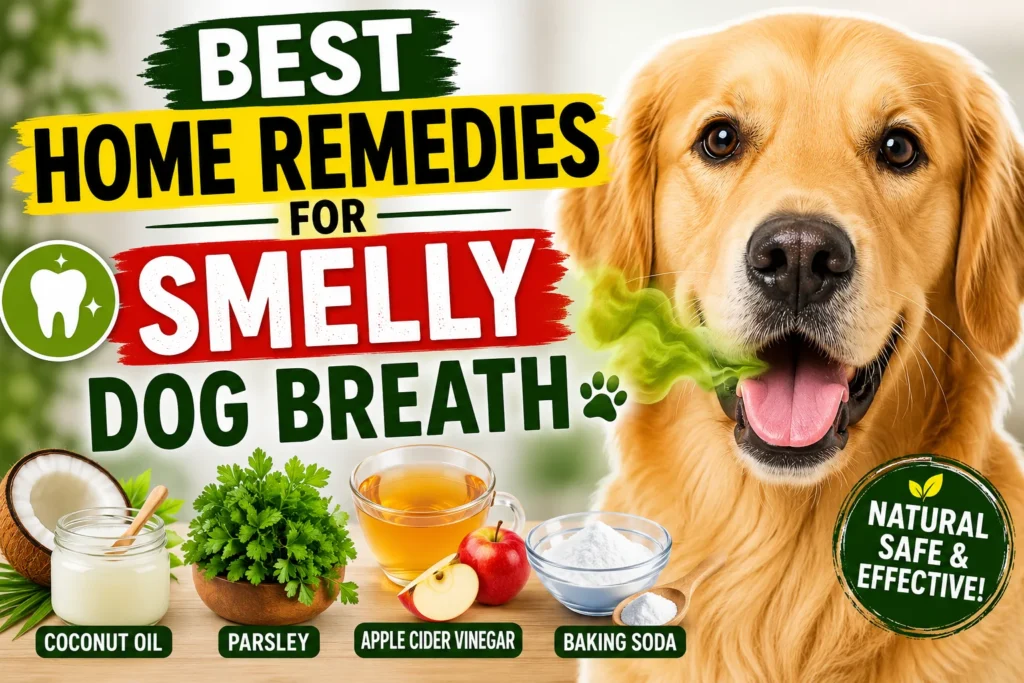
Best Home Remedies For Smelly Dog Breath. You reach out for an affectionate hug, and your canine buddy gives back to you by licking your face with all his love and giving you one of those doggy kisses with such foul smelling breath that it will even scare a vulture away from a meat truck. Sound like something familiar? This is not something you alone have to deal with. In fact, it has been suggested that a whopping 80 percent of dogs aged three years and older suffer from some form of oral disease, leading to the unpleasant odor of their breath.
Even though you might think of it as regular dog breath as a vet, I take bad breath seriously. The foul smell is one of the few visible signs of potential problems hiding under the gum line. But before you get all worried about your doggy’s well-being, it is important to point out that there are many natural ways to treat halitosis.
In this guide, we bring together scientific knowledge accumulated by veterinarians and practical applications of natural remedies at home.
Best Home Remedies For Smelly Dog Breath
Breath Understanding the Root Cause It’s Not Just Dog Breath
However, prior to explaining means through which foul breath can be eliminated, it is important to think about reasons why it occurs. Foul breath, also known as halitosis, is caused primarily by bacteria. Food remains saliva with bacteria combine to form a substance known as plaque on the surface of teeth.
The rough surface makes bacteria adhere even more as a result inflammation develops. The next stage is periodontitis a condition damaging the gum tissues and bones around the teeth. All this bacteria produce volatile sulfur compounds (VSC) the same compound responsible for the odor of rotten eggs while breaking down particles of food and tissue.
Important Information: Although 80 to 90% of bad breath is due to oral conditions, any sudden change in the smell may suggest other disorders in the body:
- A sweet or fruity smell diabetes.
- An unpleasant smell reminiscent of urine kidneys’ dysfunction.
- Foul smelling breath problems with the lungs or the liver.
In case of these smells, especially when the pet displays additional symptoms such as vomiting, excessive lethargy, or loss of appetite, take it to a vet as soon as possible.
The Top 10 Home Remedies for Smelly Dog Breath
In mild to moderate cases, these approved veterinarian home remedies are quite safe and effective to use.
1. The Gold Standard: Daily Tooth Brushing
This is definitely the best way of getting rid of any smell of halitosis. The brushing process will actually aid in breaking down the plaque layer before it turns into tartar.
How to do it:
Application of Dental Toothpaste for Dogs, Avoid using human toothpaste as it contains xylitol and fluoride. The toothpaste used by the dog contains enzymes and is perfectly safe for swallowing.
Proper Equipment: Choose a soft-bristle toothbrush or a finger brush.
Method: Start slow. Offer your dog a taste of the paste and then slowly lift his lip to brush his teeth using circular strokes. It is important that you do this for your dog on a daily basis; even doing this three times a week will help a lot.
2. Coconut Oil: Nature’s Antibacterial Agent
Lauric acid present in coconut oil is very effective against microbes hence, it helps to combat the microorganisms that cause bad breath.
Use with food: Add a small quantity to your dog’s diet. For small dogs use approximately ½ teaspoon while you should use 1 tablespoon for bigger dogs.
3. The Power of Probiotics
If there is good bacteria in the digestive tract it means that there will be healthy oral bacteria. Probiotics contain good bacteria and help reduce bad breath.
How to prepare home made dog toothpaste Add a spoonful of coconut oil along with some baking soda.
Find a reliable probiotic made for your dog. Examples of such include Fortiflora and Proviable that are scientifically proven to be good for dogs. Follow the directions on the bottle.
4. Herbal Helpers: Parsley and Mint
These herbs are natural breath mints. Chlorophyll present in parsley serves as a natural deodorizer.
Methods of Application:
Fresh Parsley: Crush the fresh parsley leaves and sprinkle a little bit over your dog’s food.
Herbal Mouthwash: Soak fresh mint or parsley in boiling water, let it cool down, and then use a sprayer to apply the mouthwash on your dog’s teeth and gums after eating.
Note: Do not use an excess of parsley because it can have adverse effects on your pet especially if he is small in size.
5. Crunchy Vegetables: Natural Teeth Cleaners
Consumption of hard and crunchy vegetables is the natural way to clean the teeth because they aid in cleansing the teeth surface of any plaque and also massage the gums.
- Suggested foods to chew:
- Carrots: The uncooked form of carrots in stick shape makes a good chewing food.
- Apples: Sliced apples (seedless) can be a good abrasive material.
- Sweet Potato Chews: Sweet potatoes that are sliced and dried up can make a good chew.
6. Apple Cider Vinegar (ACV)
ACV has inherent antibacterial properties that will help to maintain pH levels inside your pet’s mouth and make it unsuitable for bacterial growth.
Using ACV
Addition to Water: It is recommended that you add ACV into your dog’s water dish. The quantity of this substance should be very little, as in 1 teaspoon per 50 pounds of body weight.
7. Dental Powders and Water Additives
This is especially good if your dog doesn’t allow you to brush its teeth, as these supplements do wonders in such cases. These help in the elimination of plaque and eliminate odor from the dog’s mouth.
Application process By Dental Powders, There are a number of different dental powders available, which can be easily added to your dog’s food at mealtimes.
Dental Additives: You should place these additives in your dog’s water bowl. Usually, such additives have enzymes or certain ingredients that prevent the growth of bacteria.
8. The “7-Day Reset” Routine
- For an instant fix, think about taking up one week of treatment.
- Everyday: Feed your dog a quality dental chew.
- Everyday: Include dental powder into their diet.
Everyday Do the lift the lip test quickly examine your dog’s gums for any signs of reddening, swelling, or tartar formation.
9. Raw Bones (With Caution)
Most veterinarians say raw bones are nature’s toothbrush since the mechanical process of gnawing on raw bones helps scrape away any plaque.
Important Safety Precautions:
- Do not feed them cooked bones because they might break apart, and cause a hole in their intestinal wall.
- Monitor your pet when it is chewing on a bone.
- Ensure the bone is an appropriate size and one that they cannot eat at once.
- Only feed your dog raw and meaty bones, and not weight bearing bones as they tend to break teeth.
10. A Scientifically-Backed Option: Ashitaba Extract
The Study, As a result of a study performed by Veterinary Sciences Journal, which is an authoritative scientific journal, it was proved that Ashitaba can be used as a vital element in the treatment of dog periodontitis.
- Bactericidal action: This prevented the growth of Porphyromonas gulae bacteria, which causes dog gum disease, by as much as 80%.
- Halitosis inhibiting activity: This suppressed the formation of volatile sulfur compounds (halitosis) by more than 80% in just 10 minutes.
- Anti inflammatory activity: It inhibited gum inflammation by 90%.
Even though other products might soon emerge, Ashitaba seems to be one very promising natural addition to the existing solutions.
Also Check: What to do if your cat gets stung by a wasp?
When to See a Vet: The Limitations of Home Care
Homemade treatments are great for prevention and management of minor problems. But they shouldn’t be considered substitutes for veterinary intervention.
If you notice any of the following symptoms then visit veterinarian immediately :
- Severe buildup of tartar deposits on teeth.
- Loose or lost teeth.
- Difficulty eating or dropping food while eating.
- Raking their mouth or dribbling excessively.
Professional dental cleaning, done under anesthesia, will be needed for safe removal of all tartar buildup.
Conclusion
Bad breath in your dog is not only an unpleasant experience, but it can also be a warning sign of health problems. Using these 10 home remedies which are suggested by veterinarians you can ensure that your dog will have clean breath and having no diseases in the coming years.
Frequently Asked Questions (FAQs)
To treat my dog’s halitosis problem what is the fastest solution?
As the quickest temporary solution, I recommend physical cleansing such as brushing their teeth with veterinary toothpaste. This procedure will help to clean out food particles and part of odor causing bacteria. For an immediate refreshment you can offer them dental chew sticks or a piece of raw carrot.
Is it okay to feed coconut oil to my dog’s mouth?
Yes, coconut oil is safe and it has antibacterial properties. Hence, it would be helpful in fighting any harmful bacteria. Put some drops of the oil in their food or make natural toothpaste out of the oil.
Is it safe to use human toothpaste on my pet’s teeth?
No it is highly dangerous and the composition of a typical human toothpaste contains fluoride and xylitol both very toxic ingredients when consumed. Only a special formula of dog toothpaste is recommended.
For my dog’s breath smelling of fish what can be a reason?
Fishy odor is typically associated with the dog’s diet. Nevertheless such bad breath can point at a health issue as well for example the dog might suffer from kidney stones.
Are dental chews effective?
Yes, but then these treats cannot replace teeth brushing. The dental chews which have the VOHC label have been proven to decrease the formation of plaque and calculus in a dog’s mouth. However, their efficiency is lower compared to brushing since they offer only physical cleaning.
Is it possible for me to feed my dog baking soda when it has bad breath?
Baking soda can be combined with coconut oil or even water to make a cleaning solution. However, the utilization of too much baking soda or sodium bicarbonate poses a danger because it might result in negative impacts on your dog’s health.
Does parsley eliminate a bad breath problem?
Yes, it works thanks to high levels of chlorophyll. As such, it can serve as a good natural deodorant added to the dog’s feed.
What are the natural remedies for canine gum disease?
The most reliable natural prevention technique is regular brushing of the pet’s teeth. There are also some other useful remedies, including probiotics, which encourage the presence of useful bacteria; coconut oil due to its antimicrobial properties; and safe chewing bones or dental chews.
Is having bad breath indicative of kidney failure in dogs?
Bad breath with an odor similar to that of ammonia is considered one of the signs of kidney disease. In the presence of such symptoms, especially if there is increased urination and thirst, you must immediately consult a vet.
How often should I bring my dog for a professional dental cleaning?
The recommended interval between veterinary dental cleaning sessions for most breeds of dogs is about one to two years starting at three years of age. The exact interval, however, varies depending on the breed, size, and proneness to dental issues of your pet.